How to Get Rid of Brassy Blonde Hair Naturally and Safely
Brassy tones can creep into lightened locks, leaving hair looking dull and yellow. With the right routine and products, you can restore cool, at-home blends that resemble your natural blonde shade. This guide focuses on practical steps, recommended products, and common pitfalls to avoid when removing brassiness from blonde hair.
Whether you recently lightened your hair at home or processed it in a salon, maintaining a cool blonde requires consistent care. By following a targeted plan, you can minimize brassiness, protect hair integrity, and extend the vibrancy of your blonde shade.
Quick Answer
Best immediate action: use a purple shampoo regularly to neutralize yellow tones, followed by a violet toner for targeted brassiness correction. For ongoing upkeep, opt for a color-depositing conditioner that maintains tone between shampoos. Limit heat styling and deep-conditioning sessions to preserve treated hair.
What You’ll Need
- Purple shampoo for blonde brassy hair 8oz
- Violet toner for blonde hair brassiness removal 6oz
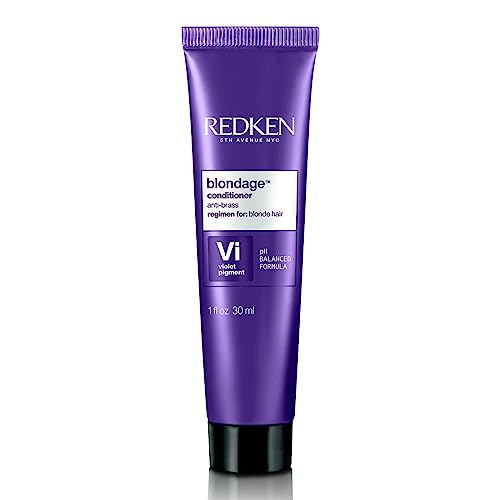
- Color-depositing conditioner purple blonde brassiness


Before You Start
Before applying any toning products, perform a strand test to confirm the shade outcome and check for sensitivities. Use cool-to-warm water when washing to avoid opening the cuticle excessively. If you have recently bleached or colored hair, wait at least 48 hours before toning to let the cuticle recover. Protect your scalp and color-treated hair with a heat-protectant if you plan to style with heat. Plan on a routine that fits your lifestyle—toning typically requires 1–2 sessions per week, with maintenance every 1–2 weeks depending on results.
Step-By-Step: How To Get Rid Of Brassy Blonde
- Wash hair with purple shampoo for blonde brassy hair 8oz to begin neutralizing yellow tones; leave lather on for 3–5 minutes before rinsing.
- Gently towel-dry and apply a lightweight leave-in conditioner to protect the cuticle during toning.
- Apply violet toner for blonde hair brassiness removal 6oz per product directions, focusing on visible brassiness areas. Do not over-apply to avoid purple over-toning.
- Rinse thoroughly with cool water to help close the cuticle and lock in tone.
- Follow with color-depositing conditioner purple blonde brassiness to maintain tone between washes.
- Once weekly, alternate with a regular sulfate-free shampoo to prevent over-toning and maintain hair health.
- Trim any visibly damaged ends to prevent dullness and keep color looking fresh.
- Use a UV protectant spray when spending time in the sun, as sun exposure can fade tone and alter color balance.
- Limit heat styling and always use a heat protectant; excessive heat can lift color and increase brassiness.
- Schedule a professional color check every 6–8 weeks to ensure even tone and adjust treatment frequency as needed.
- Document outcomes: note shade changes, product amounts, and processing times to refine your routine over time.
Troubleshooting
| Symptom | Likely Cause | Fix | Prevention |
|---|---|---|---|
| Hair looks gray or too cool | Over-toning from toner or excessive purple product | Rinse with water and re-balance with a color-depositing conditioner in a warmer tone | Use toning products less frequently |
| Brassiness returns quickly | Color fades between washes | Increase frequency of purple shampoo and use color-depositing conditioner more regularly | Use sulfate-free shampoo and avoid hot water |
| Hair feels dry after toning | Over-processing or high-volume products | Switch to hydrating masks and reduce toning frequency | Incorporate weekly deep conditioning |
| Uneven tone | Improper application or uneven porosity | Re-apply toner evenly and distribute with a wide-tooth comb | Assess porosity and adjust processing time per section |
Common Mistakes
- Over-toning with violet pigments, leading to a purple tint that’s hard to remove
- Using toners too frequently, which strips moisture and damages strands
- Skipping a patch test or ignoring scalp sensitivity
- Neglecting conditioner after toning, resulting in dryness and breakage
- Failing to protect hair from sun and heat, accelerating brassiness rebound
Staying mindful of these mistakes helps maintain a cooler, brighter blonde and reduces the risk of unintended color shifts.
Tips For Best Results
- Alternate between purple shampoo and a gentle hydrating cleanse to balance tone with moisture
- Apply toners to damp, towel-dried hair for even pigment distribution
- Do a strand test whenever you try a new batch of products to calibrate strength and processing time
- Keep a simple color log—note product names, amounts, and timing for consistency
- Consider your water type: hard water can affect toning efficiency; a chelating or clarifying wash periodically can help reset
Call A Professional
Consult a colorist if you notice persistent uneven color, severe brassiness in multiple sections, or if you are unsure about applying toners yourself. Seek professional help in cases of allergies, scalp irritation, or if you have previously treated hair with professional color lines and want to avoid color damage.
FAQ
How often should I use purple shampoo?
1–3 times per week, depending on brassiness and hair color goals, with adjustments based on results.
Will violet toner damage my hair?
When used as directed and not over-applied, toners are generally safe for color-treated hair, though overuse can cause over-toning.
Can color-depositing conditioner replace toning?
It supplements toning by maintaining tone between washes, but usually should not replace a dedicated toner for brassiness correction.
What if my hair goes too purple?
Rinse immediately and re-balance with a moisturizing conditioner or use a clarifying wash sparingly to reset.
Is heat styling bad for toned blonde?
Excessive heat can lift color; use heat protectant and keep styling to a minimum between toning sessions.
Should I get a professional toner?
For persistent brassiness or uneven tones, a pro toner can provide precise correction and even out color more reliably.
How long does brassiness correction last?
Results vary by hair porosity and washing routine; expect 1–2 weeks of strong brassiness resistance with proper care.
Buying Guide
Choosing the right products to combat brassiness depends on several factors. Size matters for how often you plan to use treatments; 6–8 oz bottles are common for toners and purple shampoos, while color-depositing conditioners are typically larger to support ongoing maintenance. Noise levels and energy efficiency are not relevant here, but product performance and ingredients matter. Look for a balanced formula with purple pigments and conditioning agents to minimize dryness. Consider the following factors when comparing options:
- Size and packaging — Choose sizes that fit your routine; smaller bottles are convenient for trial, larger bottles for steady maintenance.
- Color balance and tone — Verify the toner’s level of pigment to avoid over-toning; read shade guidance carefully.
- Formulation — Favor sulfate-free shampoos and silicone-based conditioners for hydration and color protection.
- Energy and environmental impact — While not a direct concern, consider brand sustainability and refill options if available.
- Controls and application — Look for easy-to-follow directions, clear processing times, and patch-test recommendations.
- Placement — Keep toning products away from scalp-sensitive areas; apply evenly through lengths and ends for consistent results.
Comparing these aspects helps users choose a reliable kit for maintaining a cooler blonde tone. A practical routine balances toning with conditioning, avoiding over-processing while preserving hair health and vibrancy.
Leave a Reply