How to Get Rid of Bleach Smell on Hands
Bleach odors can linger on skin after cleaning or laundry tasks, causing discomfort and irritation for some people. This practical guide explains proven methods to remove the smell efficiently using common household items and specialized products.
The steps below combine quick fixes and longer-lasting solutions, with safety considerations to protect skin health while neutralizing the scent.
Quick Answer
Use a combination of soap, natural citrus fragrances, and stainless steel tools to quickly reduce bleach odor on hands. Rinse with cool water, wash with a lemon citrus hand wash, rub on a stainless steel surface, and finish with an odor-eliminating hand soap for lasting relief.
What You’ll Need
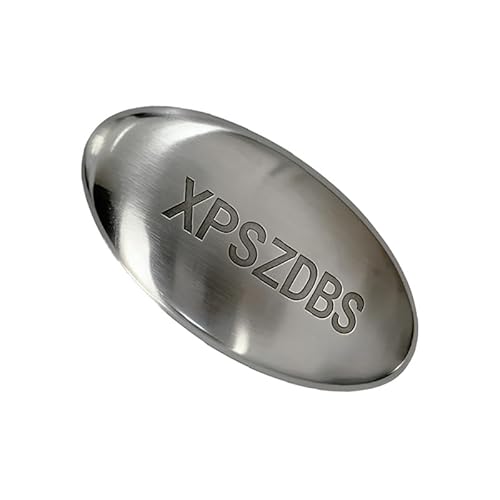
- Stainless steel soap for removing bleach smell from hands
- Odor eliminating hand soap bleach smell remover
- Lemon citrus hand wash for removing chemical smells from hands
- Cool or lukewarm water
- Paper towels or clean cloth
- Moisturizing lotion or hand cream (for aftercare)

Before You Start
Bleach can be harsh on skin, so it’s important to protect hands during odor removal. Use gloves if you have sensitive skin or open cuts. Work in a well-ventilated area to minimize inhalation of fumes. If the smell is accompanied by skin irritation or burning, rinse thoroughly and consider seeking medical advice. Time estimate: 5–15 minutes for initial deodorizing, plus ongoing care if skin feels dry.
Step-By-Step: How To Get Rid Of Bleach Smell On Hands
- Rinse hands with cool water to remove surface bleach residue and reduce initial odor.
- Apply a small amount of stainless steel soap for removing bleach smell from hands and scrub gently for 15–30 seconds. The proprietary compounds can help neutralize chlorine odors.
- Rinse again with cool water to wash away loosened odor particles.
- Wash hands with lemon citrus hand wash for removing chemical smells from hands or a citrus-scented soap to introduce a fresh fragrance while aiding odor neutralization.
- Rinse thoroughly and pat dry with a clean towel.
- Apply a small amount of odor eliminating hand soap bleach smell remover or a fragrance-free moisturizer to protect skin and prevent odor rebound.
- Rinse or re-apply as needed if the scent persists; some individuals benefit from repeating the citrus wash once more.
- Finish with a hand cream and allow skin to absorb moisture to prevent dryness, which can heighten sensitivity to odors.
Troubleshooting
| Symptom | Likely Cause | Fix | Prevention |
|---|---|---|---|
| Persistent bleach odor after washing | Residual chlorine compounds trapped in skin surface | Repeat stainless steel rubbing and citrus wash; use odor-eliminating hand soap | Dry hands promptly and moisturize after cleaning tasks |
| Skin irritation or redness | Overexposure to harsh cleaners | Limit contact time; switch to gentler formulas; consult a dermatologist if irritation continues | Wear gloves during future cleaning tasks |
| Dry hands after treatment | Frequent use of detergents | Apply fragrance-free moisturizer and use gentler cleansers | Balance cleansing with regular hand care |
| No smell reduction with citrus wash | Insufficient contact time or soap formula | Increase lather time by 10–15 seconds; try a different citrus product | Alternate between products to identify the most effective |
Common Mistakes
- Using hot water which can open pores and allow odors to linger deeper in the skin
- Rushing the washing process without enough rubbing or contact time with odor-control products
- Overusing scented products that may irritate sensitive skin or mask odors without removing them
- Skipping moisturizer after treatment, which can dry out skin
Tips For Best Results
- Use stainless steel soap early in the process; it is particularly effective at neutralizing chlorine odors.
- Pair odor-control products with a gentle hand wash to balance fragrance and odor removal.
- Keep a small bottle of fragrance-free moisturizer handy for post-treatment skin care.
- Ventilate the workspace to reduce inhalation of chemical fumes while cleaning.
- Test any new product on a small skin area if you have sensitive skin or a history of reactions.
Call A Professional
If skin shows signs of severe irritation, blistering, or persistent rashes after several treatment attempts, contact a dermatologist or healthcare professional. Seek urgent care if breathing issues or swelling occur after bleach exposure.
FAQ
Is it safe to use stainless steel soap on my hands after bleach exposure?
Yes, stainless steel soap is commonly used to neutralize chlorine and bleach odors on skin without harsh chemicals. Rinse well after use.
Can I use lemon juice directly on my hands to remove the smell?
Lemon juice can help with odor, but it may irritate sensitive or broken skin. Use a commercial lemon citrus hand wash or dilute juice with water if necessary.
How long does it usually take to remove bleach odor from hands?
Most people notice improvement within a few minutes of using odor-eliminating products and proper washing. Persistent odors may require a second treatment.
What should I do if the odor returns after drying?
Rewash with a citrus hand wash and reapply a moisturizer. Avoid prolonged exposure to bleach to minimize recurring odors.
Are there any at-home precautions to prevent odor buildup during cleaning?
Wear gloves when handling bleach, ventilate the area, and wash hands with a fragrance-free soap immediately after tasks.
Can fragrance-free products work as well as scented options?
Yes. Fragrance-free odor-control products can be effective and are gentler on sensitive skin while still addressing odor.
What if the smell is still noticeable after using all methods?
Consider trying a different combination of the recommended products or consulting a dermatologist for persistent odors or skin reactions.
When should I stop trying to remove the smell and seek help?
If there’s ongoing irritation, a rash that spreads, or swelling, seek medical advice promptly.
Buying Guide
When choosing products to remove bleach smells from hands, consider several factors to ensure effective odor control, skin safety, and ease of use.
Size and format: Choose travel-friendly or full-size bottles depending on cleaning frequency. A compact stainless steel soap bar is handy for on-the-go tasks, while larger bottles suit home use.
Odor control performance: Look for explicit odor-eliminating claims and ingredients designed to neutralize chlorine or chemical smells. Citrus-based washes are popular for refreshing scents and odor removal.
Noise and energy considerations: Not applicable to handwashing products. Focus on ease of use and skin-friendly formulas instead.
Controls: Simple pump dispensers or solid bars offer intuitive use. Ensure packaging is sealed to prevent leakage during storage.
Placement: Store near cleaning supplies in a dry cabinet or under the sink. Keep away from children and pets, especially citrus-scented products that may attract children.
Skin compatibility: For sensitive skin, choose fragrance-free or hypoallergenic formulas and test on a small area before full use.
Brand reliability: Opt for reputable brands with clear ingredient lists and safety data. Reading reviews can help assess real-world effectiveness.
Leave a Reply