How to Get Rid of Blackheads With a Toothbrush
Blackheads are a common skin concern, especially for those with oily or combination skin. While a toothbrush might seem unconventional, a gentle, targeted approach with the right tools can help loosen and minimize clogged pores when used carefully and as part of a broader skincare routine.
This guide explains a practical, step-by-step method to use a toothbrush safely for blackhead reduction, along with product options that support the process and tips to avoid irritation.
Quick Answer
Use a soft, clean toothbrush as a gentle exfoliating tool after applying a mild cleanser. Focus on circular motions over problem areas for 20–30 seconds, then rinse and apply a non-irritating toner or moisturizer. Do not press hard or scrub aggressively, and limit use to 1–2 times per week to reduce the risk of skin irritation.
What You’ll Need
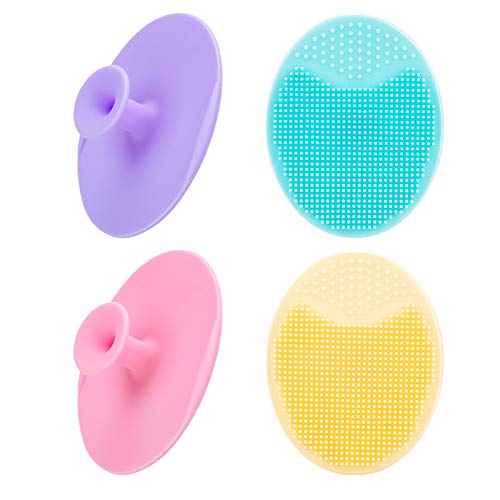
- Soft bristle facial cleansing brush for blackheads
- Silicone facial cleansing brush exfoliating pore brush
- Manual exfoliating facial brush for enlarged pores


Before You Start
Prepare your skin with a gentle cleanser and warm water to open pores. Ensure the toothbrush is pristine and reserved for facial use only. Do not share brushes to prevent bacterial transfer. If you have active acne, rosacea, or highly sensitive skin, consult a dermatologist before using a toothbrush for exfoliation. Time estimate: 10–15 minutes per session, with 1–2 sessions per week for maintenance.
Critical cautions: Use light pressure, avoid scrubbing over open wounds, and stop immediately if you experience persistent redness, burning, or discomfort. If you notice signs of irritation, scale back or discontinue use until the skin recovers.
Step-By-Step: How To Get Rid Of Blackheads With A Toothbrush
- Wash hands and cleanse the face with a mild cleanser to remove surface oils.
- Moisten the toothbrush bristles with warm water; ensure the brush is clean and dedicated to facial use.
- Apply a small amount of gentle exfoliating cleanser or a light, non-irritating cleanser to the problem areas.
- Gently massage the area with the toothbrush using circular motions for 20–30 seconds per zone, avoiding heavy pressure.
- Rinse the face with lukewarm water to remove cleanser and loosened debris.
- Pat the skin dry with a clean towel and apply a toner or lightweight non-comedogenic moisturizer to help restore moisture balance.
- If needed, follow with a non-irritating spot treatment on areas prone to blackheads, as advised by a dermatologist.
- Clean the toothbrush thoroughly after use with soap and water, then air dry in a clean area.
- Limit toothbrush exfoliation to 1–2 times per week, alternating with gentler cleansing days.
- Observe your skin after the first few sessions; adjust frequency or technique if sensitivity occurs.
- Consider pairing with weekly clay masks or pore-refining serums for enhanced benefits, if your skin tolerates them.
- Maintain a consistent routine and avoid over-scrubbing the nose and chin where pores are prone to blockage.
Troubleshooting
| Symptom | Likely Cause | Fix | Prevention |
|---|---|---|---|
| Redness after use | Overly firm pressure or sensitive skin | Reduce pressure, shorten sessions | Patch test new technique on a small area |
| Persistent dryness | Over-exfoliation | Skip a session, switch to gentler cleanser | Increase hydration and use non-irritating products |
| Pores still appear clogged | Inadequate cleansing or oil buildup | Reassess cleansing routine and consider silicone pore brush for deeper yet gentle cleaning | Consistent routine, avoid heavy oils |
| Skin irritation or a rash | Allergic reaction to cleanser or brush material | Stop use and consult a dermatologist | Test products on a small area before full use |
Common Mistakes
- Using a stiff or shared brush that can irritate or spread bacteria
- Excessive pressure or scrubbing, which can damage the skin and worsen pores
- Over-exfoliation leading to redness and sensitivity
- Relying solely on brushing without complementary cleansing and masking routines
Remember, a toothbrush is a supplementary tool, not a substitute for a regular skincare regimen focused on cleansing, hydration, and protection from sun damage.
Tips For Best Results
- Pair brushing with a gentle exfoliating cleanser formulated for sensitive or normal-to-oily skin.
- Use a dedicated tool for facial use only to reduce bacterial transfer.
- Choose devices with soft bristles or silicone materials designed for pore care to minimize irritation.
- Follow brushing with a lightweight moisturizer and, if possible, a salicylic acid-containing product to help keep pores clear.
- Monitor skin response and adjust frequency rather than continuing a routine that causes irritation.
Call A Professional
Seek professional guidance if skin shows persistent irritation, deep blackheads, or if you have active breakouts, cystic acne, or a history of skin conditions. Stop at the first sign of worsening symptoms, and consult a dermatologist or licensed esthetician for tailored treatments such as extractions or professional-grade peels.
FAQ
Is using a toothbrush on your face safe?
When approached carefully with a soft-bristled brush and gentle pressure, it can be safe for some adults without active skin conditions. Always patch test and discontinue if irritation occurs.
How often should I use a toothbrush for blackheads?
Limit to 1–2 sessions per week, depending on skin tolerance, and avoid daily brushing on facial skin.
What tools work best with this technique?
Soft bristle facial cleansing brushes for blackheads, silicone facial cleansing brushes exfoliating pore brushes, and manual exfoliating facial brushes for enlarged pores are suitable options when used correctly.
Can I combine this with other pore-care methods?
Yes, but balance is key. Use gentle cleansers, masks, and toners that match your skin type and avoid overloading the skin with actives at once.
Buying Guide
Choosing the right tool involves several factors that impact comfort and effectiveness. Consider these key buying factors to tailor the selection to your skin and routine.
- Size and shape: A compact brush that reaches difficult areas around the nose and chin can improve results without overexfoliating broader cheek areas.
- Brush material: Soft nylon bristles or silicone bristles reduce irritation. Silicone brushes are easy to clean and often gentler on pores.
- Brush density: Fewer bristles with gentle motion suits sensitive skin; dense sets may feel more effective but risk irritation for some users.
- Intensity control: Look for devices with adjustable speed or manual options to fine-tune pressure.
- Water resistance: A waterproof design supports safe use in the shower or at the sink, helping keep tools clean.
- Ease of cleaning: Tools that are easy to sanitize reduce the risk of bacteria transferring back to the skin.
- Durability and warranty: A reliable device with a reasonable warranty helps protect your investment over time.
- Compatibility with products: Check if the device works well with your chosen cleansers and exfoliants, especially if you use active ingredients like salicylic acid.
When evaluating options, compare soft bristle facial cleansing brushes for blackheads, silicone facial cleansing brushes exfoliating pore brushes, and manual exfoliating facial brushes for enlarged pores. Consider how often you plan to use the tool and whether you prefer a handheld or a battery-powered model. A balanced approach—selecting a gentle device with a straightforward cleaning routine—tends to deliver the most reliable results for most users.
Leave a Reply