How to Get Rid of Blackheads on the Chest
Blackheads on the chest can be stubborn, affecting confidence and skin comfort. A targeted routine combining cleansing, exfoliation, and gentle extraction can improve texture and clarity. This guide focuses on safe, practical steps suited for American homes and typical bathroom routines.
With the right tools and habits, chest blackheads may become less noticeable over a few weeks. This approach emphasizes consistent care, proper use of gentle products, and avoiding aggressive scrubbing that can irritate the skin.
Quick Answer
Use a routine that combines regular cleansing, targeted exfoliation, and light suction or extraction when the skin is clean and steamed. Apply a salicylic acid treatment or exfoliating pads, follow with a chest-friendly exfoliating device, and finish with a non-irritating moisturizer. Limit exfoliation to 2–3 times per week to prevent irritation.
What You’ll Need
The following tools and products are commonly effective for chest-specific blackhead care. If you already own these, you can begin right away; otherwise, consider the items listed to support a safe, effective routine.
- blackhead remover vacuum pore cleaner for chest
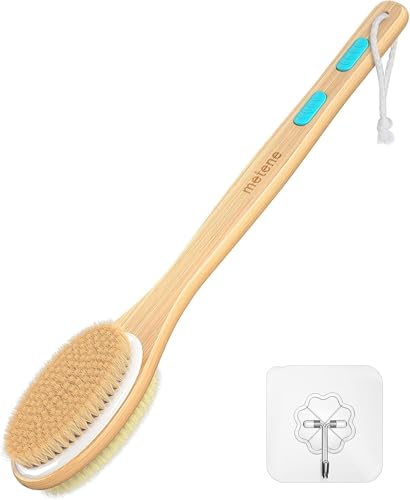
- exfoliating body brush with long handle for chest
- salicylic acid chest exfoliating pads 2% treatment


Before You Start
Set up a clean, well-lit space for your routine. A warm shower or a 5–10 minute steam session helps open pores and softens debris. Patch-test new products on a small area of skin to monitor for irritation. If you have active acne, eczema, or known skin sensitivities, consult a dermatologist before starting.
Time estimates: a daily wash routine takes 5–10 minutes; a focused exfoliation session should be limited to 2–3 times per week, about 5–8 minutes. Avoid aggressive scrubbing and never use forceful extractions. Always rinse with lukewarm water and pat dry.
Step-By-Step: How To Use Chest-Specific Blackhead Tools
- Begin with a warm shower or steam to soften the skin and loosen debris.
- Gently cleanse the chest area with a mild, non-irritating cleanser and rinse thoroughly.
- Apply a salicylic acid chest exfoliating pad (2% for maintenance). Gently swipe over the chest, avoiding irritated areas.
- Wait a minute for the solution to dry, then use the blackhead remover vacuum pore cleaner for chest on a low setting, moving slowly in circular motions.
- After treatment, rinse with cool water and pat dry. Apply a fragrance-free moisturizer to support the skin barrier.
- On non-treatment days, use the exfoliating body brush with long handle for chest to promote gentle shedding of dead skin cells.
- Avoid layering heavy creams and heavy sunscreen immediately after exfoliation; allow the skin to recover for a few hours.
- Keep a consistent schedule: cleanse daily, exfoliate chest once or twice a week, and monitor for irritation.
- If you notice persistent clogging or redness, reduce frequency and switch to milder products until the skin stabilizes.
- Record progress with weekly photos to assess improvement and adjust the routine accordingly.
- Consider consulting a dermatologist if blackheads persist beyond several weeks or if irritation develops.
Troubleshooting
| Symptom | Likely Cause | Fix | Prevention |
|---|---|---|---|
| Increased redness after use | Irritation from exfoliation or suction | Reduce frequency, lower intensity, avoid overlapping products | Patch-test; use fragrance-free products |
| Persistent blackheads despite routine | Toresistant buildup or improper technique | Ensure thorough cleansing, re-evaluate product concentrations | Consistent routine; avoid over-scrubbing |
| Dry, flaky patches | Over-exfoliation or drying ingredients | Switch to gentler exfoliants; add soothing moisturizer | Limit exfoliation to 2–3 times weekly |
| Uneven texture or scarring | Cease aggressive methods; consult a professional if needed | Gentle, gradual approach |
Common Mistakes
- Over-exfoliating or using high concentrations too often
- Using abrasive tools on sensitive chest skin
- Rubbing skin aggressively to “dig out” blackheads
- Skipping moisturizer after exfoliation, leading to dryness
Tips For Best Results
Consistency matters more than intensity. Pair chest-focused care with a balanced skincare routine that supports barrier function. For example, use a non-comedogenic moisturizer after treatments to minimize irritation. Consider alternating products to reduce tolerance buildup and maintain effectiveness over time.
Call A Professional
Seek professional help if:
- Blackheads persist after several weeks of home care
- There is significant redness, swelling, or pain
- There are signs of infection or deep pimples
- Skin reacts with severe irritation or an allergic response
Professional options may include guided manual extractions, prescription topical treatments, or laser-based therapies depending on the dermatologist’s assessment.
FAQ
Is it safe to use a vacuum pore cleaner on the chest?
When used correctly on low settings and with clean skin, it can be effective. Always follow manufacturer instructions and stop if irritation occurs.
How often should I exfoliate my chest?
2–3 times per week is typically sufficient for most skin types; adjust based on tolerance and skin response.
Can salicylic acid cause dryness on the chest?
Yes, particularly with higher concentrations. Start with a patch test and monitor moisture levels, applying a gentle moisturizer after use.
What if I have sensitive skin?
Opt for milder products, shorter sessions, and consider consulting a dermatologist for a tailored plan.
Are there dietary changes that help with chest blackheads?
While skincare is primary, maintaining overall hydration and a balanced diet can support skin health alongside topical care.
Buying Guide
When choosing products to address chest blackheads, consider size, noise, and ease of use, along with skin compatibility. A compact vacuum tool should feel comfortable in hand and provide adjustable suction. Look for devices with protective guards, easy-to-clean heads, and compatible attachments for chest contours. Exfoliating pads should be free of harsh fragrances and contain buffering ingredients to minimize irritation. A long-handle body brush helps reach the chest without bending, promoting gentle, consistent exfoliation. For best results, select a set that includes a gentle cleanser and a fragrance-free moisturizer to complete the routine.
Size and placement matter: compact devices are easier to maneuver on the chest, while a longer handle reduces the need to stretch or twist. Noise level can influence comfort during use, especially in the morning or evening routines. Energy efficiency and battery life matter for cordless devices; read reviews for real-world performance. Controls should be intuitive, with clear heat and suction settings. Finally, consider waterproof design and ease of cleaning to support routine hygiene.
In practice, a simple starter set with a chest-focused vacuum tool, an exfoliating chest brush, and 2% salicylic acid pads offers a balanced approach. Start slow, monitor skin response, and adjust frequency and intensity as needed. If in doubt, consult a skincare professional to tailor the plan to your skin type and concerns.
Leave a Reply