How to Deter Blackbirds at Feeders
Blackbirds at feeders can quickly dominate seed cycles and deter other birds. Using humane, non-toxic methods helps protect seed and maintain a healthy backyard aviary. This guide provides practical steps and gear recommendations suitable for American feeders and climates.
Quick Answer
Start with physical barriers and deterrents to reduce access, then add timed deterrents and monitoring. Combine reflective surfaces, motion-activated devices, and targeted netting to minimize blackbird cleanup and seed waste without harming birds.
What You’ll Need
- Solar ultrasonic bird repeller outdoor
- Reflective Mylar tape bird deterrent for feeders
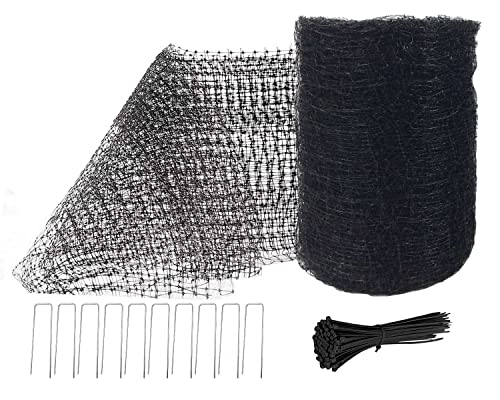
- Bird netting to protect feeder from large birds


Before You Start
Assess feeder placement: place feeders away from trees and rooftops where blackbirds tend to perch. Inspect the feeder for loose parts and ensure seed trays drain well. Time estimates vary by setup but plan 1–2 hours for installation and testing. Safety note: use ladders and clamps securely, and wear gloves when handling netting to avoid cuts.
Step-By-Step: How To Deter Blackbirds At Feeders
- Move feeders to an open area with fewer perches for tall birds, if possible.
- Install a bird netting to protect feeder from large birds around the feeder crown or sides to limit access.
- Run a narrow strip of reflective Mylar tape bird deterrent for feeders along feeder poles and perches to create unpredictable reflections that deter larger birds.
- Position a solar ultrasonic bird repeller outdoor at a distance that covers the feeding zone without startling nearby yard wildlife excessively.
- Set up the deterrent so it activates upon movement without false triggers from small songbirds.
- Monitor seed levels and refill less frequently by using a feeder with a larger seed reservoir, reducing repeated visits by bold blackbirds.
- Provide alternative foods or feed types briefly to entice blackbirds away from the main feeder, then shift back to preferred seed after a week.
- Rotate deterrents seasonally to prevent birds from habituating; permanent setups usually work best when combined with barriers.
- Test each component for stability and weather resistance; check nets for tears every month.
- Evaluate effectiveness after 2–3 weeks and adjust placement, timing, or deterrent settings as needed.
Troubleshooting
| Symptom | Likely Cause | Fix | Prevention |
|---|---|---|---|
| Blackbirds still dine heavily | Deterrents not covering feeding zone | Extend netting and tapes, reposition ultrasonic repeller | Regularly inspect and refresh deterrents |
| Seed waste remains high | Open feed tray or large gaps | Switch to covered tray or shielded feeder | Choose feeders with seed containment |
| Birds become habituated | Monotone deterrents | Rotate deterrents (tape, netting, motion devices) | Seasonal changeups |
| Unintended deterrence of songbirds | Overly aggressive devices | Limit ultrasonic ranges and adjust tape reflections | Use humane, bird-friendly settings |
Common Mistakes
- Relying on a single deterrent and expecting lasting results
- Using nets without proper tension or quick-release access for feeder maintenance
- Blocking sunlight excessively with multiple deterrents, which can affect other birds
Alternatives like scatter-feeding small seeds away from main stations can help, but netting and reflective tapes often provide the best balance between access control and bird welfare.
Tips For Best Results
- Place deterrents at varying angles to confuse visual tracking by birds.
- Combine daytime visual deterrents with occasional motion-activated devices for best coverage.
- Keep feeders clean and free of moldy seed, which can attract pests and bias bird behavior.
- Choose weatherproof hardware and secure mounting to withstand wind and rain.
Call A Professional
If blackbird pressure remains high after several weeks of deterrence, consult a wildlife control specialist or backyard biodiversity expert. Stop signs to escalate care include persistent feeder damage, injury to birds or non-target wildlife, or legal concerns about local wildlife regulations. A pro can design a tailored, humane plan that aligns with local rules and habitat considerations.
FAQ
What attracts blackbirds to feeders?
High-energy seeds and accessible grain feeders attract opportunistic blackbirds, especially when overflow or seed waste creates easy feeding opportunities.
Will reflective tape harm other birds?
When used sparingly and at appropriate heights, reflective tape mainly deters larger birds and does not generally harm smaller songbirds.
Can netting injure birds?
Netting should be tensioned properly and checked regularly; use bird-safe netting to avoid entanglement and injury.
How long should deterrents be used?
Operate deterrents during peak blackbird activity, typically in late fall through early spring, then reassess during the breeding season.
Are there humane alternatives to deterrents?
Providing auxiliary feeding sites away from main feeders and using seed blends less attractive to blackbirds can reduce direct competition.
Buying Guide
Choosing the right setup involves considering size, noise, energy use, controls, and placement. For deterrence of blackbirds at feeders, aim for a balanced system that blends visual cues, motion responses, and physical barriers. Consider the size of your feeder area, local bird populations, and climate when selecting gear.
Size and Placement
Choose a feeder enclosure or netting kit that covers the feeding zone without overly restricting access for smaller birds. Ensure there is clear space around the feeder to avoid entanglement risks and allow for easy maintenance.
Noise Level and Power Use
Solar ultrasonic repellers provide low-maintenance energy and quiet operation, which suits most residential yards. Check battery life and solar charging efficiency for year-round reliability.
Deterrent Effectiveness
Reflective tape and motion-activated devices work best when used together with a physical barrier like netting. Look for products designed for outdoor weather resistance and birdsafe materials.
Controls and Maintenance
Prefer simple, durable controls with easy reset or replacement parts. Netting should be taut and easily removable for cleaning. Regular inspections prevent failure during peak bird activity.
Placement Considerations
Position deterrents away from windows to reduce bird collisions and to prevent over-suddent reactions from homeowners. Ensure feeders remain accessible for cleaning while covered from direct storm exposure.
Leave a Reply