How to Remove Black Stuff Under Toilet Rim
Black buildup under the toilet rim is a common bathroom issue caused by mineral deposits, mold, and bacteria. With the right tools and a patient approach, most homeowners can restore a clean, bright toilet bowl without harsh scrubbing or professional help. This guide covers proven methods and practical tips using commonly available products.
Quick Answer
For quick results, apply a toilet bowl mold and mildew remover gel under the rim, let it sit, then scrub with a curved neck toilet brush to reach under the rim. For mineral stains, use a pumice stone specifically designed for toilet bowls in short, careful scrubbing sessions. Repeat as needed and rinse thoroughly.
What You’ll Need
- Toilet bowl mold and mildew remover gel 24 oz
- Toilet brush with curved flexible neck stiff bristles for under rim cleaning
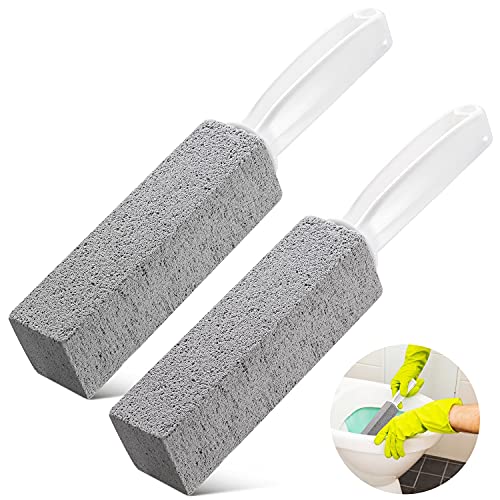
- Pumice stone toilet bowl cleaner hard water stain remover under rim


Before You Start
Before cleaning, ensure the bathroom is well-ventilated. Put on disposable gloves and eye protection if you’re using strong cleaners. Turn off the water supply or flush the toilet to dampen the interior and reduce splashing. Do a quick test in an inconspicuous area of the rim if you’re using a pumice stone to avoid scratching porcelain. The process typically takes 20–40 minutes, depending on the level of buildup.
Critical caution: Do not mix bleach with acidic cleaners or with ammonia; this can release dangerous gases. Avoid aggressive scrubbing with metal tools that could scratch the porcelain. If you have hard water, expect mineral deposits to require repeated treatment.
Step-By-Step: How To Remove Black Stuff Under Toilet Rim
- Prepare the area: Remove any floor mats or objects around the toilet. Apply a splash shield or old towel to catch drips.
- Apply cleaner under the rim: Squeeze a generous line of toilet bowl mold and mildew remover gel under the rim and let it cling to the underside for 10–15 minutes.
- Scrub with a curved neck brush: Use the toilet brush with curved flexible neck stiff bristles to scrub under the rim in a slow, circular motion, focusing on areas with visible black buildup.
- Reapply if needed: For stubborn spots, reapply cleaner and give it another 5–10 minutes to work.
- Target mineral stains: For hard water stains, use a pumice stone toilet bowl cleaner. Wet the stone and gently rub under the rim in short, light strokes to avoid scratching. Rinse often to remove debris.
- Rinse and flush: After scrubbing, flush the toilet to rinse away loosened material. If mineral residue remains, repeat steps 3–5.
- Inspect the rim: Look for any remaining dark patches. If necessary, repeat the process, ensuring thorough rinsing between passes.
- Disinfect (optional): If desired, apply a mild disinfectant around the bowl exterior and rim after cleaning and wipe with a clean cloth.
- Final rinse: Flush again to ensure all cleaner residue is removed. Dry any drips with a towel to prevent streaks.
- Close up: Return items to their place, store cleaners out of reach of children, and run a quick vent trail or open a window to air out the bathroom.
Troubleshooting
| Symptom | Likely Cause | Fix | Prevention |
|---|---|---|---|
| Stubborn dark spots persist | Heavy mineral buildup or mold penetration | Repeat cleaning with gel under the rim and pumice stone in short strokes | Clean regularly to prevent buildup |
| Pumice stone leaves scratches | Rubbing too hard or dry grinding | Keep stone wet and use light pressure | Limit use to under-rim areas and use alternative cleaners |
| Cleaner causing irritation | Strong chemical fumes | Ventilate and wear gloves; switch to milder cleaners if needed | Adequate ventilation and space-safe products |
| Residue after rinse | Undissolved mineral deposits | Reapply cleaner and rinse again, ensuring thorough draining | Regular maintenance to prevent heavy buildup |
Common Mistakes
- Using bleach or ammonia-based products with acidic cleaners, which can create hazardous fumes.
- Scrubbing too aggressively with abrasive tools that scratch the porcelain and create rough spots for future buildup.
- Ignoring hard water deposits that require targeted mineral stain removal rather than routine cleaners alone.
- Missing under-rim areas during cleaning, allowing mold or mineral deposits to rebound quickly.
Tips For Best Results
- Schedule regular cleanings to prevent heavy buildup under the rim; even a monthly light pass can help.
- Use a curved neck brush designed for under-rim access to maximize contact with hard-to-reach areas.
- Let cleaners sit longer on tough stains if time allows; patience reduces the amount of scrubbing needed.
- Rinse thoroughly after each cleaning cycle to prevent cleaner residue from attracting more grime.
- Consider using a water-softening system if hard water consistently creates mineral deposits.
Call A Professional
Contact a professional plumber if you notice persistent staining after repeated cleaning, if the toilet repeatedly forms black residue that returns quickly, or if you suspect sewer-related issues or significant mineral buildup that requires specialized equipment or treatment.
FAQ
Is it safe to use pumice stone on porcelain?
Yes, when used wet and with light pressure, a pumice stone can safely remove mineral stains from porcelain without scratching when applied correctly.
How often should I clean under the toilet rim?
A monthly light cleaning helps prevent buildup; deeper treatment can be done as needed based on appearance and water hardness.
Can I mix cleaners to improve results?
Avoid mixing cleaners, especially bleach with ammonia or acid-based products, to prevent dangerous fumes.
What should I do if stains return after cleaning?
If stains recur quickly, consider checking water hardness and applying mineral-targeted cleaners more frequently or installing a water-softening solution.
Buying Guide
When selecting tools and cleaners for under-rim cleaning, consider these factors to optimize results and ease of use.
- Size and access: Choose a brush with a curved neck that reaches under the rim without forceful contortion.
- Cleaners: Use products formulated for mold and mildew or mineral stains; avoid products that are overly harsh for routine use.
- Material safety: Pick a pumice stone designed for toilet bowls with safe grit and a non-scratch surface to protect porcelain.
- Ease of use: Look for gel formulas that cling to the rim and under-rim surfaces for longer contact time.
- Maintenance needs: Some cleaners require longer dwell times; select products that fit your cleaning schedule.
- <bNoise and convenience: Manual scrubbing is quiet but may require patience; consider tools that reduce effort without sacrificing effectiveness.
- <bPlacement: Store cleaners out of reach of children but keep essentials easily accessible under the sink or in a cabinet.
- <bCompatibility: Ensure products work well together if you plan to use more than one cleaner during a session.
Leave a Reply