How to Get Rid of Bitter Taste in Coffee
Many coffee drinkers encounter a bitter aftertaste that sours an otherwise pleasant cup. Bitterness can stem from variables across the brewing process, including grind size, water temperature, contact time, and coffee freshness. This guide provides practical steps to reduce bitterness and maximize flavor, using common tools found in American homes and kitchens.
The goal is to achieve a balanced cup that highlights acidity and sweetness while minimizing harsh, burnt, or astringent notes. By adjusting grind consistency, measurement accuracy, and heat control, you can transform a bitter brew into a smoother, more enjoyable experience.
Quick Answer
Dial in grind size to match your brew method, ensure water is not too hot, and measure coffee precisely. Using a burr coffee grinder adjustable grind size, a digital coffee scale with timer, and a gooseneck kettle with temperature control helps you hit the sweet spot quickly and consistently.
What You’ll Need
To tackle bitterness effectively, assemble a few essential tools. The list below focuses on practical gear that directly influences taste and consistency.
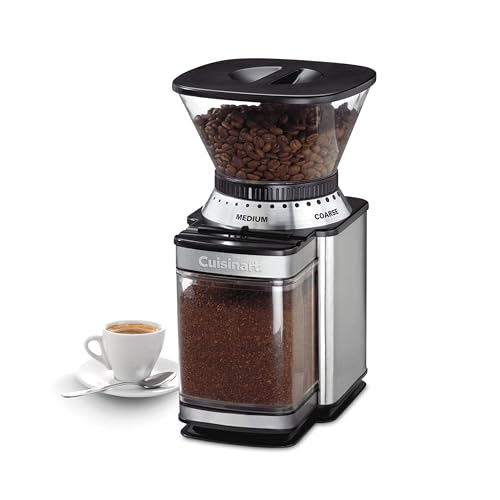
- Burr coffee grinder adjustable grind size
- Digital coffee scale with timer
- Gooseneck kettle with temperature control
- Freshly roasted coffee beans (or a fresh grind)
- Brewing equipment appropriate for your method (drip, pour-over, or espresso)


Before You Start
Before any brewing, prepare your setup and understand the risks. Water quality matters—softened or highly mineralized water can skew flavor. Fresh coffee tastes best, so avoid beans that have lingered more than a few weeks. Preheat your brewing vessel to maintain temperature stability. Plan for a few test brews to dial in taste without wasting coffee.
Step-By-Step: How To Reduce Bitter Coffee
- Choose the right grind size for your brewing method and adjust using the burr coffee grinder adjustable grind size. A finer grind increases extraction; a coarser grind reduces it. Start slightly coarser than your current setting and test a cup.
- Measure coffee accurately with a digital coffee scale with timer. Aim for a consistent ratio, such as 1:15 to 1:17 coffee to water, depending on your method and taste preference.
- Control water temperature with a gooseneck kettle with temperature control. Target brewing temperatures around 195–205°F (90–96°C). Too hot water can extract bitter compounds quickly.
- Pre-wet filters (for pour-over) or warm your carafe and equipment. This minimizes temperature drop and uneven extraction that can taste bitter.
- Grind just before brewing to preserve aromatic oils. Ground coffee begins to oxidize quickly, which can intensify bitterness if left exposed.
- Adjust brew time and pour technique to manage extraction. For pour-over, use a gentle, even spiral pour to maintain a steady extraction rate and avoid channeling.
- Experiment with bloom time. A 20–45 second bloom (wetting grounds and allowing CO2 to escape) can improve flavor balance for certain coffees, reducing bitterness in subsequent pours.
- Rinse and clean equipment regularly. Old coffee oils can taste stale and contribute to bitterness in subsequent brews.
- Consider water mineral content. If bitterness persists, try a different water source or add minerals to your water to improve balance without overdoing it.
- Taste and compare. Make small adjustments one variable at a time—grind, ratio, and temperature—until you notice a smoother cup with less bitterness.
- For espresso lovers, consider a slightly longer extraction time or a coarser grind if bitterness arises due to over-extraction. Dial in your grinder and pressure to balance sweetness and acidity.
Troubleshooting
| Symptom | Likely Cause | Fix | Prevention |
|---|---|---|---|
| Feels flat or sour | Under-extraction | Increase grind size or brew time slightly; ensure even pouring | Use fresh beans; calibrate grind to brew method |
| Bitterness dominates | Over-extraction or too-hot water | Coarsen grind, shorten contact time, lower water temp | Use thermometer; keep kettle at target range |
| Astringent aftertaste | Tannins from over-roasted beans or stale coffee | Store beans properly; avoid over-roasting; grind just before brewing | Use fresh beans with stable storage |
| Weak aroma | Old beans or poor grind consistency | Upgrade to burr grinder; grind fresh | Keep beans away from light and heat |
Common Mistakes
- Using pre-ground coffee for multiple days; freshness matters for flavor.
- Grind size not aligned with brew method, causing uneven extraction.
- Ignoring water temperature and pour technique, which drive extraction dynamics.
- Overloading the kettle with coffee or water, leading to inconsistent results.
Tips For Best Results
Consistency is the friend of flavor. Use a digital coffee scale with timer to track each brew and replicate results. A burr coffee grinder adjustable grind size helps you adapt grind to method, from pour-over to Espresso-style shots. When adjusting temperature, small increments (1–2 degrees) can yield noticeable flavor improvements. Regular maintenance of grinders and kettles prevents off-flavors from buildup. Consider investing in a high-quality gooseneck kettle with temperature control for precise pouring, especially with pour-over methods.
Call A Professional
Most bitterness issues can be resolved at home, but seek professional help if you notice persistent equipment failure, unusual odors, or inconsistent results despite proper technique. If your grinder or kettle exhibits unusual noises, inconsistent temperatures, or mechanical faults, contact the manufacturer or a qualified technician for service.
FAQ
Why does coffee taste bitter even when I follow a recipe?
Possible causes include over-extraction from too-fine grind, water that’s too hot, or stale beans. Re-evaluate grind size, temperature, and bean freshness.
How can I tell if my grind size is right?
Experiment by brewing multiple cups with small grind adjustments and note flavor balance. A consistent grind improves extraction and reduces bitterness.
Is temperature control essential for reducing bitterness?
Yes. Water too hot can extract bitter compounds quickly, while cooler water reduces extraction, often balancing flavors when used with proper grind size.
What role does a gooseneck kettle play in taste?
A gooseneck kettle allows precise, controlled pours, aiding even extraction and minimizing bitter notes from uneven contact.
Can I still get a good cup without a scale?
A scale helps with repeatability, but you can approximate by measuring with trusted spoons or cups. Precision improves consistency over time.
Should I rinse my coffee filters?
Rinsing filters preheats equipment and removes papery tastes, contributing to a cleaner cup.
What if bitterness remains after adjustments?
Consider changing beans or roast level, or adjusting storage conditions to preserve freshness. If needed, consult a barista or coffee equipment expert.
Buying Guide
When evaluating gear to reduce bitterness in coffee, consider several factors that influence taste and ease of use.
- <bGrind Size and consistency: A burr grinder with adjustable grind size offers precise control needed to match brew method and avoid over- or under-extraction.
- <bPrecision Tools: A digital coffee scale with timer enables exact coffee-to-water ratios and repeatable results across cooks and days.
- <bTemperature Control: A gooseneck kettle with temperature control allows precise heat management, helping to prevent bitter compounds from dominating the cup.
- <bFreshness and storage: Freshly roasted beans ground just before brewing improve sweetness and reduce bitterness; store beans away from light, heat, and air.
- <bBrewing Method Compatibility: Match equipment to your method (pour-over, drip, or espresso) and ensure grind, temp, and ratio align with the chosen approach.
- <bMaintenance: Regular cleaning of grinders, kettles, and brewers reduces stale flavors and preserves performance.
As you compare options, consider how often you brew, your preferred method, and how much space you can allocate to equipment. A compact setup with a burr grinder, digital scale, and temperature-controlled kettle can deliver consistent results without clutter. If you value consistency and repeatability, these tools are a wise investment for reducing bitterness and enhancing overall coffee flavor.
Leave a Reply