How to Get Rid of Birds in Gutters
Birds nesting or roosting in gutters can cause clogs, water damage, and messy cleanups. This guide explains practical, humane, and safe steps to deter birds from gutters in American homes. By combining physical barriers with deterrents, homeowners can reduce debris buildup and maintain proper drainage throughout the year.
Readers will find a clear sequence from quick fixes to long-term solutions, including kit recommendations and safety tips for working on ladders and eaves. The goal is a maintenance plan that fits most gutter systems while staying within typical home budgets.
Quick Answer
Choose a deterrent strategy that combines barriers and repellers. Start with gutter netting or spikes to block access, then add an ultrasonic repeller for ongoing deterrence. Regular maintenance and cleaning prevent re-infestation.
What You’ll Need
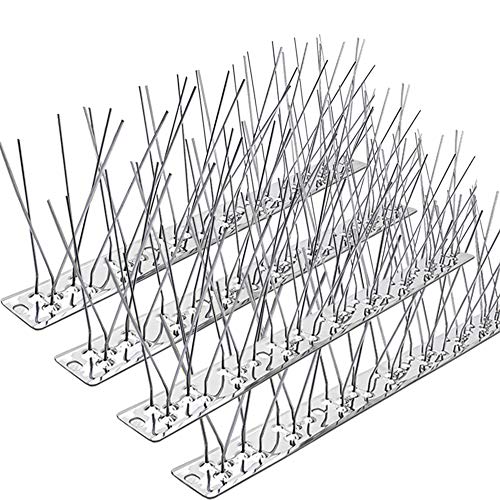
- Stainless steel bird spikes for gutters
- Gutter bird netting kit
- Ultrasonic outdoor bird repeller for gutters
- Extendable ladder and safety gear
- Gutter cleaning tools (gloves, scoop, bucket)
- Measuring tape and scissors or utility knife


Before You Start
Assess gutter length and height to determine material needs. Clear any existing nests or debris before installation to prevent injuries and ensure devices work effectively. Never work from an unstable ladder or on a roof in wet or windy conditions. Plan projects during daylight and dry weather, and follow local codes for ladder safety and home improvement work. Expect a few hours for setup, plus periodic checks after rain or strong winds.
Step-By-Step: How To Get Rid Of Birds In Gutters
- Inspect gutters to identify access points, nesting sites, and debris buildup. Note areas where water flow is blocked or pooling occurs.
- Remove visible nests and debris from the gutter with gloves and a scoop. Dispose of waste in a sealed bag.
- Measure gutter length where deterrents will be installed. This helps determine how many units of spikes or netting are needed.
- Install Stainless steel bird spikes for gutters along the lip and corners where birds perch. Press spikes firmly onto the edge and secure with appropriate fasteners or clips.
- Lay and secure the Gutter bird netting kit along the gutter line to form a protective barrier over potential roosting areas. Ensure edges are tensioned and there are no gaps.
- Mount the Ultrasonic outdoor bird repeller for gutters in a sheltered but visible location to maximize coverage. Point away from human traffic and ensure power access if required.
- Test all deterrents for proper operation. Check netting tension after strong winds and adjust spikes for any loose points.
- Schedule a follow-up cleaning every 1–3 months and after heavy rain to prevent rapid debris buildup that could negate deterrents.
Troubleshooting
| Symptom | Likely Cause | Fix | Prevention |
|---|---|---|---|
| Birds return after installation | Deterrents not properly contacting perching spots | Reposition spikes and retighten netting; ensure ultrasonic unit is powered | Regular inspections and maintenance schedule |
| Nets tear or sag | Improper tension or weather exposure | Re-tension edges and replace damaged sections | Use weather-rated netting designed for gutters |
| Debris accumulation behind barriers | Gutter not cleaned regularly | Establish a routine cleaning interval; remove leaves | Install mesh or leaf guards if appropriate |
| Ultrasonic unit silent or ineffective | Device not within effective range or sheltered incorrectly | Reposition for better exposure; check power source | Follow manufacturer placement guidelines |
Common Mistakes
- Installing barriers only at one segment of the gutter
- Using the smallest netting mesh that still allows drainage
- Ignoring routine cleaning, which reduces barrier effectiveness
- Overlooking safety measures when working on ladders or roofs
Consistency matters: a combination of barriers and deterrents is more effective than a single solution. Keep safety as a priority to prevent slips or falls during maintenance.
Tips For Best Results
- Match deterrent height and coverage to the gutter profile and the typical bird species in the area.
- Clean gutters before installing barriers to ensure maximum adhesion and effectiveness.
- Test in calm weather, then recheck after a windy or wet day to confirm stability.
- Coordinate installations with seasonal bird activity (late spring or early fall).
- Consider combining a physical barrier with a motion-activated deterrent near entry points for added protection.
Call A Professional
Consult a professional if gutters are steep, damaged, or inaccessible. Stop signs to contact a pro include: multiple Nesting sites over several sections, significant gutter damage, or if access requires roof work beyond standard ladder use. A licensed contractor can safely install barriers and verify that drainage remains unobstructed.
FAQ
What is the fastest way to deter birds from gutters?
Install a combination of Stainless steel bird spikes for gutters and Gutter bird netting kit to block perches and roosts, then add an ultrasonic deterrent for ongoing pressure.
Are gutter deterrents safe for birds?
Yes. Barriers and deterrents are designed to deter birds without harming them, encouraging them to relocate away from the home.
How often should gutters be cleaned after installing deterrents?
Plan for a cleaning every 1–3 months, or after heavy rain, to prevent debris buildup that can bypass barriers.
Will ultrasonic deterrents affect humans or pets?
Most units are designed with safety in mind and have limited audible ranges for humans and pets. Follow the manufacturer’s instructions for placement and usage.
Can I install deterrents myself, or should I hire a pro?
Do-it-yourself installation is feasible for most standard gutters, using ladders and basic tools. For complex roofs, steep angles, or damaged gutters, hire a professional.
Buying Guide
Key buying factors include size, noise level, energy efficiency, controls, and placement. When evaluating options, consider how the gutter system will be protected across seasons and the specific bird activity in your area. Compare different deterrent mixes: spikes target perches, netting blocks access, and ultrasonic devices offer ongoing discouragement. Look for weather-resistant materials, easy installation, and warranty coverage. Consider whether you want a modular system that can be expanded to cover longer gutter runs or additional eaves. For homes with multiple gutter lines or varying angles, prioritize flexible solutions and comprehensive coverage to minimize blind spots.
Leave a Reply