How to Get Rid of Bed Hair
Bed hair can cling to sheets, blankets, and pillows, making mornings feel rough. A tidy bed setup not only looks better but can help improve sleep hygiene and ease daily routines. This guide explains practical methods to remove bed hair using common tools and simple steps that work for most bedding materials.
Quick Answer
Use a lint roller designed for bedding hair removal, then follow with a cordless fabric shaver for deeper loose fibers. Finish with an anti-static hair brush to minimize future cling. For delicate fabrics, test any tool on a small area first and work gently.
What You’ll Need
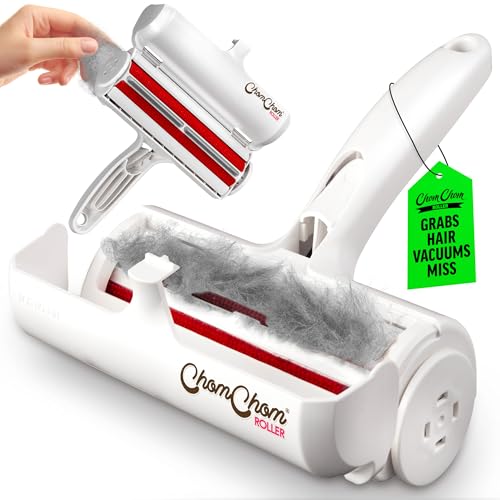
- lint roller for bedding hair removal
- fabric shaver lint remover cordless handheld
- anti-static hair brush for bed head


Before You Start
Prepare a clean workspace and remove any visible lint or debris from the bed. Clear the area around the bed to prevent knocking items off the nightstand. If you share the bed, consider washing or airing bedding as a preliminary step. Safety note: unplug electric devices when not in use and avoid using sharp blades on delicate fabrics. Expect a quick cleaning session to take 5–15 minutes depending on bed size and fabric type.
Step-By-Step: How To Get Rid Of Bed Hair
- Strip and launder the beds you plan to refresh. Wash with a gentle cycle and mild detergent to loosen hair fibers.
- While the sheets are still damp, run a lint roller for bedding hair removal across the surface to lift hair and lint. Move in one direction for best results.
- If hair remains, use a fabric shaver lint remover cordless handheld on a low setting over the fabric. Glide smoothly without pressing hard to avoid fabric damage.
- Switch to an anti-static hair brush for bed head to sweep any remaining fibers toward the edges of the mattress and off the surface.
- Repeat the process on pillowcases and pillow inserts. Pay attention to seams where hair hides, using the lint roller or brush to trap fibers.
- Return the sheets to the bed and perform a final pass with the lint roller to catch newly freed fibers from the fabric after drying.
- For heavily textured fabrics such as fleece or microfiber, consider a second pass with the fabric shaver for deeper fiber removal but avoid excessive passes.
- Finish with a light vacuum or a quick brush run to remove any remaining lint or hair clusters from the mattress surface.
- Include a regular quick pass with the lint roller during weekly bed maintenance to keep surfaces consistently hair free.
- Wash bedding on a schedule that suits household shedding patterns, and consider using a dryer sheet to reduce static cling during drying.
- Store tools in an accessible spot so they are ready for quick touch ups as needed.
Troubleshooting
| Symptom | Likely Cause | Fix | Prevention |
|---|---|---|---|
| Hair persists after rolling | Fabric is very plush or fibers are deeply embedded | Switch to fabric shaver on low setting and pass slowly | Pre-wash fabrics and lint roll before steady use |
| Roller loses adhesive quickly | Overly dirty or large hair clusters | Clean the roller surface or replace the roll | Keep a clean roller head handy and wipe surface mid session |
| Static causes more hair sticking | Dry air and synthetic fabrics | Use anti static brush and consider a humidifier in the room | Avoid excessive heat during drying; use fabric conditioner |
| Fabric feels rough after shaving | Overly aggressive shaver use on delicate fabric | Reduce pressure and use a lighter touch | Test on a hidden area first |
Common Mistakes
- Overusing the fabric shaver on delicate fabrics, causing pull or snags
- Rushing through corners and seams where hair hides
- Relying on a single method for all fabric types
- Neglecting regular cleaning of tools, leading to clogged rollers
Tips For Best Results
- Combine tools: lint roller first, then fabric shaver for stubborn fibers
- Work in a clean, well-lit area to spot hair clusters easily
- Use a gentle, consistent motion rather than hard scrubbing
- Maintain humidity to reduce static and hair cling
- Test new tools on a small fabric area to avoid damage
Call A Professional
If bed hair persists after repeated attempts, consider a professional upholstery or fabric cleaning service for deep fibers or allergen concerns. Seek help if stains or odors accompany hair buildup or if you suspect mold or mildew behind layers of bedding.
FAQ
Can I use a lint roller on all bedding fabrics?
Lint rollers work well on cotton and polyester blends but test on delicate fabrics like silk or satin to avoid damage.
Is a fabric shaver safe on microfiber?
Yes, when used on a low setting with light passes, it can effectively remove embedded fibers from microfiber.
How often should I clean bed surfaces to remove hair?
New hair accumulates daily; a quick weekly pass with a lint roller plus monthly fabric shaving keeps surfaces tidy.
Can humidity help prevent static cling?
Yes, adding a humidity source can reduce static and hair cling, especially in dry environments.
Should I wash pillows and cases separately?
Yes, separate washing helps ensure thorough hair removal and fabric care for each item.
What about pet hair on beds?
Pet hair often clings more; use a dedicated brush and a higher frequency of lint rolling to manage it.
Are there odor issues tied to bed hair removal?
Hair removal itself does not cause odor; washing and airing bedding helps keep freshness intact.
Buying Guide
Key Buying Factors
- Size and coverage: Choose a lint roller with wide width for large bedding surfaces to speed up the job.
- Adhesive strength: A roller with replaceable sheets is convenient for frequent hair removal without waste.
- Fabric compatibility: Ensure the tool is suitable for common bedding materials such as cotton, microfiber, and blends.
- Power options: Cordless fabric shavers offer mobility; consider battery life and charging time for extended use.
- Anti static performance: Brushes with anti static properties help reduce future cling on synthetic fibers.
- Ease of cleaning: Tools that are simple to clean prevent residue transfer between fabrics.
- Noise and comfort: Quiet devices reduce disturbance during shared spaces and improve usability.
- Storage and portability: A compact kit makes it easy to store and grab for quick touch ups.
Do you want a quick, effective setup for bed hair removal? A practical trio of tools can handle most bedding types: a lint roller for rapid surface lift, a cordless fabric shaver for embedded fibers, and an anti static brush to finish. When selecting products, look for durable materials, easy maintenance, and compatibility with your bedding routine.
Leave a Reply