How to Get Rid of Backswimmers in a Pool
Backswimmers, sometimes called water boatmen, can be a nuisance in residential pools. They don’t bite, but their presence signals a need for better debris removal and routine maintenance. This guide covers practical steps to reduce and prevent backswimmer activity while keeping your pool clean and inviting.
By following a simple routine that combines mechanical cleaning, targeted traps, and preventive measures, you can minimize these insects and maintain healthier pool water for swimmers and pets alike.
Quick Answer
Remove visible insects with a fine-mesh skimmer net, use a backswimmer-specific pool trap to capture them, and run an automatic pool vacuum head to clean the floor. Regular skimming, pool vacuuming, and keeping water balanced reduces breeding spaces and invites fewer backswimmers back into your pool.
What You’ll Need
- backswimmer pool trap
- pool skimmer net fine mesh
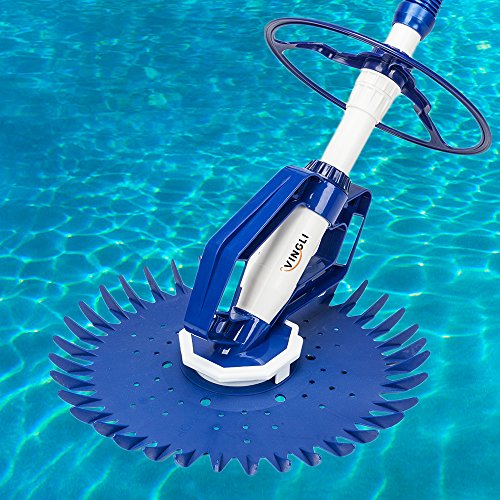
- automatic pool vacuum head


Before You Start
Assess the pool area for standing water where insects can breed and check circulation. Ensure you have functioning skimmers and a clean filter. Time estimates vary: routine skim and vacuum can take 20–40 minutes per session, while weekly maintenance may require an hour. Important cautions: never handle traps or pool debris with bare hands, and always turn off power to pumps before cleaning fittings or covers.
Step-By-Step: How To Remove Backswimmers From A Pool
- Skim the surface with a pool skimmer net fine mesh to capture floating backswimmers and other insects.
- Use the backswimmer pool trap to trap individuals at the skimmer area or near the pool’s edges; place the trap as directed by the product instructions.
- Inspect the pool for debris in corners and along steps; remove with the fine mesh net and deposit insects into a trash container away from the pool.
- Move a portable automatic pool vacuum head across the pool floor to remove settled insects and organic debris that may attract more backswimmers.
- Clean and rinse the pool filter and pump basket to maintain efficient circulation and reduce nutrient buildup that supports small aquatic life.
- Check water chemistry: maintain proper pH (around 7.4–7.6) and sanitizer levels to deter pests and keep the water clear.
- Keep pool covers clean and free of standing water when the pool is not in use; this minimizes breeding grounds around the pool perimeter.
- Schedule routine maintenance: skim daily during warm months and vacuum weekly to prevent buildup of organic matter that backswater insects feed on.
Troubleshooting
| Symptom | Likely Cause | Fix | Prevention |
|---|---|---|---|
| Backswimmers return after cleaning | Residual insects or larvae in hidden corners | Re-check corners with the skimmer and vacuum; apply an additional pass | Seal gaps and ensure consistent water turnover |
| Water appears cloudy | Encrusted filter or imbalanced chemistry | Backwash/filter clean; balance pH and sanitizer | Regular testing and maintenance schedule |
| Unusual odors | Organic debris accumulation | Clean skimmer baskets and vacuum debris promptly | Remove leaves and debris daily during high-use periods |
| Excess insects near skimmer | Inadequate circulation or traps not placed effectively | reposition trap and check pump performance | Improve surface circulation with proper skimmer placement |
Common Mistakes
- Relying on a single cleaning method; backswimmers hide in corner niches and under benches.
- Neglecting routine maintenance during cooler months; pests still migrate in and out with changing temps.
- Ignoring water balance; imbalanced water can attract more aquatic organisms.
- Overlooking pool equipment cleanliness; clogged filters reduce effectiveness of cleaning efforts.
Tips For Best Results
- Run the pool pump for several hours after heavy cleaning to maximize debris removal.
- Keep a consistent brushing routine to dislodge settled matter from walls and floors.
- Use a fine-mesh skimmer net daily during peak seasons to minimize insect buildup.
- Inspect and clean the pool trap weekly; a clogged trap reduces capture efficiency.
- Consider preventive measures such as reducing standing water around the pool area and ensuring proper drainage.
Call A Professional
Contact a pool professional if backswimmers persist after routine cleaning, or if you notice persistent algae growth, persistent odor, or unusual water chemistry changes. Stop signs include frequent clogging of the filtration system, persistent cloudy water after cleaning, or visible damage to pool surfaces. A pro can assess systemic issues, optimize circulation, and recommend targeted treatments.
FAQ
What are backswimmers in a pool?
Backswimmers are aquatic insects that live in or around water and can enter pools. They do not bite humans but can be a nuisance when present in large numbers.
Do backswimmers harm pool equipment?
Usually not, though excess debris and netting can clog skimmers and reduce circulation. Regular cleaning helps prevent issues.
Will pool chemicals kill backswimmers?
Chemical balance helps deter them, but mechanical removal is typically required to reduce their numbers.
How can I prevent backswimmers from returning?
Keep the water balanced, skim daily, vacuum regularly, and seal access points around the pool area to minimize breeding grounds.
Is a pool cover effective against backswimmers?
A cover reduces entry points and keeps debris out, but it should be used when the pool is not in use to maximize effectiveness.
Buying Guide
Choosing the right tools to manage backswimmers depends on pool size, usage, and maintenance habits. Consider the following factors to optimize results:
- Size and type of pool: Larger pools benefit from robust cleaning heads and efficient pumps. Smaller pools may rely more on manual skimming and targeted traps.
- Noise level: If you want a quiet operation, select equipment rated for low noise output, especially for nighttime cleaning sessions.
- Energy efficiency: Look for energy-efficient pumps and vacuums to reduce operating costs while maintaining effective cleaning.
- Controls and compatibility: Ensure vacuum heads and traps fit your existing skimmer and filter systems; compatibility reduces setup time.
- Placement and accessibility: Position traps where insects congregate (edges and near drains) and ensure easy access for weekly maintenance.
When evaluating options, prioritize a balanced approach that includes good circulation, regular surface skimming, and reliable debris removal. A well-maintained system reduces backswimmer sightings and keeps your pool inviting for everyone.
Leave a Reply