How to Get Rid of a Baby Pooch After Pregnancy
Many new moms look for practical, safe ways to regain their pre-pregnancy shape. This guide focuses on realistic steps that combine gradual fitness, smart support, and consistent habits to reduce a baby pooch while prioritizing health and recovery.
Quick Answer
Consistency beats intensity. Combine gentle abdominal exercise, core stability work, and sensible nutrition. Devices like a postpartum waist trainer can offer temporary support, but sustainable changes come from steady activity, proper form, and supportive guidance.
What You’ll Need
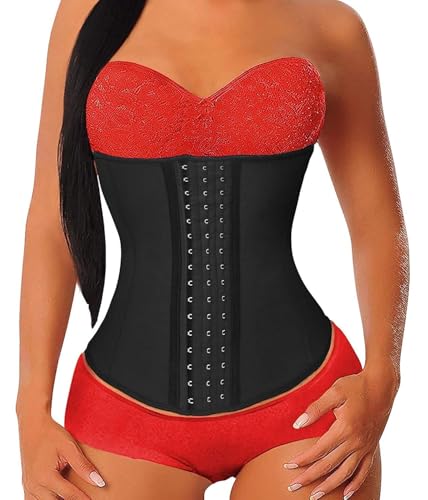
- Postpartum waist trainer corset latex size medium for belly fat loss
- Ab roller wheel for abs workout belly fat reduction
- Resistance bands set with door anchor for core exercise home gym


Before You Start
Before beginning any postpartum program, obtain clearance from a healthcare provider, especially if C-section recovery is recent. Start slowly to prevent diastasis recti flare or pelvic floor strain. Allocate at least 4–6 weeks for initial conditioning, and aim for 3–5 days per week of activity. Pay attention to your body; stop if you experience sharp pain, dizziness, or unusual fatigue.
Step-By-Step: How To Reduce A Baby Pooch
- Begin with gentle core activation. Practice diaphragmatic breathing and pelvic floor engagement to reestablish foundational control.
- Incorporate low-impact cardio like brisk walking or stationary cycling for 20–30 minutes, 3–5 days per week to support fat loss without stressing the joints.
- Use the ab roller wheel for controlled rolling motions. Start with small ranges of motion and progress as core strength improves.
- Integrate resistance bands for standing or seated rows, anti-rotation, and anti-extension movements to build core and back strength.
- Engage in a progressive full-body strength routine 2–3 days weekly, focusing on major muscle groups to boost metabolism and preserve muscle mass.
- Pay attention to nutrition quality. Emphasize lean proteins, vegetables, whole grains, and healthy fats; limit refined sugars and highly processed snacks.
- Monitor progress with simple metrics (waist measurement, clothing fit, energy levels) rather than weight alone, as body composition changes may vary.
- Ensure proper form and breathing during each exercise to protect the lower back and pelvic floor. If unsure, seek guidance from a qualified trainer or physical therapist.
- Adjust equipment use as needed. Increase resistance gradually and avoid overtraining to reduce the risk of injury.
- Rest and recovery are essential. Allow muscles to recover between sessions; sleep supports hormonal balance and fat loss efforts.
- Stay consistent for 8–12 weeks before expecting noticeable changes. Small, steady improvements compound over time.
- Keep hydration high and maintain a sustainable routine for long-term results beyond the initial period.
Troubleshooting
| Symptom | Likely Cause | Fix | Prevention |
|---|---|---|---|
| Pelvic floor pressure or leaks during workouts | Weak pelvic floor or diastasis recti | Prioritize pelvic floor rehab and avoid heavy intra-abdominal loading | Routine pelvic floor exercises integrated into daily routine |
| Abdominal doming when using ab roller | Poor core engagement | Revisit basic core activation before progressing | Progress gradually and maintain neutral spine |
| Pain in lower back during resistance work | Improper form or excessive load | Reduce resistance, adjust stance, and seek form guidance | Warm up thoroughly and maintain proper posture |
| Fatigue without appetite loss | Overtraining or inadequate recovery | Increase rest days and monitor workout intensity | Balance workouts with adequate sleep |
| Plateau in measurements | Adaptive metabolism and muscle adaptation | Vary routine, add progressive overload, re-evaluate nutrition | Cycle through different exercises every 4–6 weeks |
Common Mistakes
- Rushing core recovery before pelvic floor strength is restored
- Relying on spot reduction through crunches or only abdominal exercises
- Ignoring rest days, leading to overuse injuries
- Neglecting nutrition and hydration which support fat loss
- Using improper form with the ab roller or resistance bands
Establishing a balanced plan that combines cardio, strength, and thoughtful nutrition is essential for long-term success.
Tips For Best Results
- Pair workouts with a consistent daily movement goal, such as 7,000–10,000 steps.
- Time workouts to align with energy peaks and daily routines for sustainability.
- Use a postpartum waist trainer cautiously as temporary support, not a solution for fat loss.
- Keep a simple log of activities, nutrition, and how you feel to identify what works best.
- Stay patient; the body may take several weeks to adapt after pregnancy.
Call A Professional
Consider contacting a physical therapist or certified postpartum trainer if you experience persistent diastasis recti, pelvic floor dysfunction, severe pelvic pressure, or if you have a history of abdominal surgery. Seek immediate help for sharp or worsening pain, numbness, or incontinence that interferes with daily activities.
FAQ
Is a postpartum waist trainer safe for belly fat loss?
Wearing a waist trainer may provide temporary abdominal compression but does not replace exercise or proper nutrition for fat loss. Use cautiously and for short periods if advised by a clinician.
How soon after childbirth can I start core exercises?
Always follow a healthcare provider’s guidance; focus on gentle core activation and pelvic floor work before progressing to more intense routines.
What frequency is best for reducing a baby pooch?
Typically, 3–5 days per week of combined cardio, strength, and core work, plus rest days, supports gradual fat loss and muscle tone.
Do I need to follow a special diet after pregnancy?
A balanced diet emphasizing protein, whole foods, fruits, vegetables, and healthy fats supports recovery and fat loss without restricting essential nutrients.
When will I start noticing changes?
Most people begin to notice improvements after 6–12 weeks of consistent training and nutrition, with continued gains over several months.
Is the ab roller safe for beginners?
Yes, but start with a limited range of motion and proper form to protect the lower back and avoid strain.
Buying Guide
When choosing tools to support reducing a baby pooch, consider size, comfort, and how they fit into a sustainable routine. Look for products that encourage correct form and align with your current fitness level.
Key Buying Factors
- <bSize and fit: Ensure a comfortable, supportive fit for waist training options and verify sizing guidance from manufacturers.
- <bComfort and material: For latex products, assess skin sensitivity and moisture management to prevent irritation.
- <bNoise level: Cardio approaches and home gym setups should minimize noise if living in shared spaces.
- <bEnergy efficiency: Choose equipment that is durable and easy to store, reducing energy waste in use and setup.
- <bControls and ease of use: Simple adjustments and clear instructions help maintain consistency.
- <bPlacement: Consider space available at home and how equipment will be integrated into routines without crowding living areas.
Overall, the best approach combines gradual core strengthening, safe cardio, and mindful nutrition. Ready to start? Make a simple plan, track progress, and adjust as you learn what works for your body.
Leave a Reply