How to Get Rid of Baby Face and Achieve Smoother Skin
Many people seek smoother, more even skin and often describe a “baby face” as fresh but with a flat, lackluster appearance. This guide outlines practical steps to improve skin texture, reduce visible pores, and promote a healthier glow using common at-home tools. The advice focuses on gentle, non-invasive techniques suitable for most adults.
Readers will find a clear, step-by-step plan that combines cleansing, exfoliation, and targeted treatments to refine skin tone and texture. The approach emphasizes consistency, proper technique, and skin health over quick fixes.
Quick Answer
Achieve smoother skin with a routine combining daily cleansing, weekly exfoliation, and targeted tools like an electric facial cleansing brush, a dermaplaning razor for facial hair removal, and a pore vacuum for blackhead care. Start with gentle cleansing, then use a silicone-bristle cleansing brush for exfoliation, consider dermaplaning if comfortable, and finish with a pore-focused treatment. Avoid harsh scrubs and over-exfoliation which can worsen texture.
What You’ll Need
- Electric facial cleansing brush with silicone bristles (anti-aging benefits recommended)
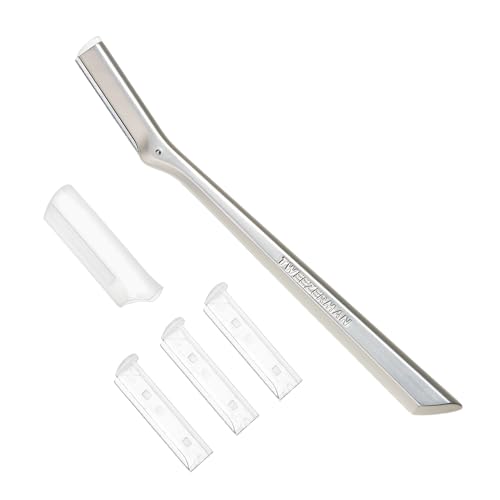
- Dermaplaning razor for facial hair removal (stainless steel)
- Blackhead remover suction device / pore vacuum for facial treatment


Before You Start
Prepare a clean, well-lit bathroom and lay out a small mirror. Patch-test any new product on a discreet skin area 24 hours before full use. Keep sessions moderate and avoid applying irritants immediately after dermaplaning or suctioning. If you have active acne, rosacea, or eczema, consult a dermatologist before starting aggressive routines. Time estimates: daily cleansing takes 2–3 minutes; exfoliation or dermaplaning sessions 1–2 times weekly, suctioning 2–3 times weekly. Precautions: do not use on broken skin, and stop if you experience persistent redness, burning, or swelling.
Step-By-Step: How To Get Rid Of Baby Face
- Start with clean skin: Wash with a gentle cleanser to remove oil and makeup. Pat dry with a soft towel.
- Apply a light toner or hydrating essence: Use a alcohol-free toner to prep skin and balance pH.
- Use the electric facial cleansing brush: Move the brush in small circular motions for 1–2 minutes on each area, focusing on the T-zone. Use the silicone bristles to minimize irritation and slough dead cells.
- Assess texture after cleansing: Look for areas that look dull or have visible pores. This helps target where to focus next.
- Dermaplaning (if comfortable): With a sterile dermaplaning razor, hold skin taut and gently scrape in short strokes in downward motions. Do not apply heavy pressure. This removes fine hairs and top-most dead skin cells, aiding a smoother surface.
- Rinse and soothe: Rinse with cool water and apply a soothing serum or light moisturizer to calm the skin after dermaplaning.
- Target blackheads with suction care: Use the blackhead remover suction device on areas with clogged pores. Use a low setting and avoid lingering on a single area to prevent skin trauma.
- Moisturize and protect: Apply a non-comedogenic moisturizer and, in daytime, broad-spectrum sunscreen. This helps maintain texture improvements and protects new skin cells.
- Frequency plan: Cleanse daily, exfoliate or dermaplane 1–2 times per week, and use suction devices 2–3 times per week if tolerated by skin.
- Evaluate progress: After 4–6 weeks, reassess texture. If improvements stall or irritation occurs, reduce frequency or consult a professional.
Troubleshooting
| Symptom | Likely Cause | Fix | Prevention |
|---|---|---|---|
| Redness or irritation after cleansing | Over-aggressive cleansing or harsh products | Switch to a gentle cleanser; rinse with lukewarm water | Patch-test new products; use lukewarm water |
| Stinging from dermaplaning | Shaving too aggressively or dull blade | Use a sharp, sterile blade; light pressure | Follow guidance; avoid over-exfoliation |
| Persistent breakouts after suctioning | Overuse or sensitive pores | Pause suctioning for a week; reduce frequency | Limit duration and adjust to skin response |
| Dry, flaky patches | Over-cleansing or insufficient moisture | Soothing moisturizers; consider humectants like glycerin | Balance cleansing with hydration |
Common Mistakes
- Using aggressive scrubs that damage the surface and exacerbate texture
- Dermaplaning too frequently or with dull blades
- Pronouncing suction pressure on delicate areas such as around the nose
- Skipping sunscreen after dermaplaning or exfoliation
Avoid attempting to fix texture with harsh chemicals. Consistency and gentle care yield better long-term results.
Tips For Best Results
- Keep sessions consistent but moderate to prevent irritation and redness.
- Prefer products labeled non-comedogenic and fragrance-free to reduce irritation risk.
- Hydration matters; dehydrated skin shows more visible texture. Use a lightweight, hydrating serum at night.
- Check product compatibility with your skin type; sensitive types may need to scale back on dermaplaning and suction steps.
- Clean tools after each use to avoid bacteria buildup that can create blemishes.
- Consider layering a pore-minimizing serum after cleansing and before moisturizer for a smoother look.
Call A Professional
Seek a dermatologist or licensed esthetician if you notice severe irritation, persistent redness, or if you have active acne, eczema, or rosacea. Immediate professional help is advised if you experience deep, persistent cysts, sudden color changes, or signs of an allergic reaction after using any tool or product.
FAQ
Can I use a dermaplaning razor at home safely?
Yes, if you follow safety guidance: clean blade, taut skin, light pressure, and short strokes. Stop if you experience irritation.
How often should I use a pore vacuum device?
Start with 2–3 sessions per week and adjust based on skin response. Do not overuse.
Will these tools remove all pores and blemishes?
Tools can refine texture and appearance but may not eliminate all pores or deep blemishes. Combine with a consistent skincare routine for best results.
Is dermaplaning necessary for smoother skin?
Dermaplaning can enhance smoothness by removing surface hairs and dead skin, but it is optional. Alternatives include chemical exfoliants or enzymatic peels suitable for your skin type.
Buying Guide
When choosing tools for smoother skin, consider size, noise level, energy efficiency, controls, and placement within the bathroom or vanity. A compact electric facial cleansing brush with silicone bristles is convenient for daily use and gentler on skin. For reducing fine hairs and refreshing texture, a stainless steel dermaplaning razor should be used with care and stored safely away from moisture when not in use. A pore vacuum device helps address blackheads but select a model with adjustable suction and protective guards to minimize skin trauma.
Key buying factors include:
- <bSize and ergonomics: Comfortable handles and compact bodies fit easily in hands and drawers.
- <bNoise level: Quieter devices reduce disruption to daily routines.
- <bEnergy efficiency and battery life: Long-lasting batteries are convenient for travel and daily use.
- <bControl options: Variable suction, speed, and rotation provide tailored experiences for different skin areas.
- <bPlacement and storage: Waterproof storage or splash-proof design helps keep devices sanitary in bathrooms.
Additionally, verify compatibility with your skin type and check for dermatologist-recommended practices to ensure safe, effective use. Consider starting with one tool to gauge skin response before layering multiple devices into your routine.
Leave a Reply