How to Get Rid of Ashy Knees
Ashy knees are a common skincare concern for many people. Dry, flaky skin on the knees can look dull and feel rough, especially after sweater weather or frequent bending. The goal is to gently exfoliate, hydrate, and protect the skin to restore a smooth, even appearance. This guide covers practical steps you can take at home, using accessible tools to improve texture and balance your skin.
Quick Answer
Exfoliate regularly with gentle mechanical exfoliants, moisturize daily, and protect your knees from further dryness with a consistent routine. Start with a mild approach and adjust frequency based on how your skin responds.
What You’ll Need
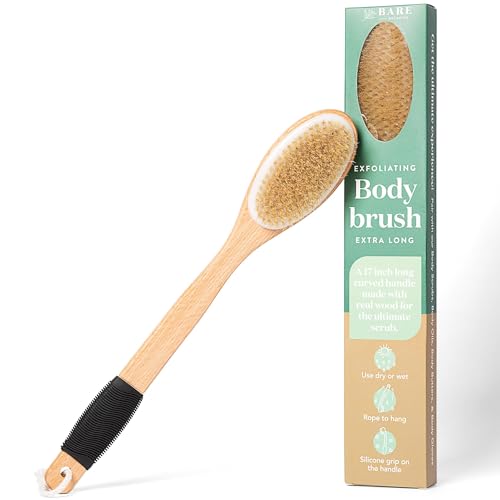
- Long-handled dry body brush for dry skin knees exfoliating
- Exfoliating glove for dry skin silicone textured hand mitt
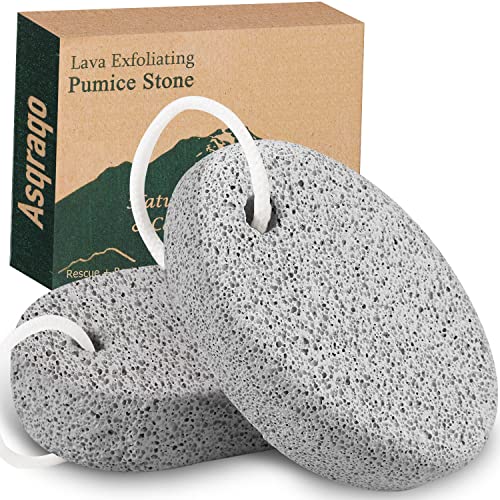
- Natural pumice stone for knee exfoliation and dry skin
- Gentle body lotion or cream with ceramides or glycerin
- Hydrating oil (optional, for extra friction reduction)

Before You Start
Prepare a clean work surface in the bathroom. Warm water helps skin be more receptive to exfoliation, but avoid hot showers that dry the skin further. A patch test on a small area can prevent irritation. Plan for a 15–30 minute session, adjusting as needed to fit your routine. Stop if you experience redness, tearing, or burning sensations and consult a clinician if symptoms persist.
Step-By-Step: How To Get Rid Of Ashy Knees
- Begin with a dry brush session using the long-handled dry body brush to lift dead skin. Light, circular strokes move from the shin to the knee, avoiding aggressive pressure.
- Move to the knee itself, brushing in upward, sweeping motions. Cover all rough patches but stay away from broken skin or irritated areas.
- Wet the skin with warm water and apply a small amount of a mild exfoliating product or use the exfoliating glove for targeted kneecap exfoliation.
- Gently rub the knee using the silicone textured hand mitt in a circular motion for 1–2 minutes per knee, focusing on flaky areas.
- Rinse and pat dry. If using a pumice stone, dampen the surface and rub very lightly on very dry patches, avoiding sensitive areas and over-scrubbing.
- Apply a rich moisturizer with ceramides or glycerin directly after drying. This locks in moisture and helps restore the skin barrier.
- For ongoing dryness, consider adding light massages with a hydrating oil before applying lotion, especially after exfoliation.
- Schedule exfoliation 2–3 times per week, adjusting to skin response. Do not exceed gentle treatment to avoid irritation.
- Complement exfoliation with daily hydration: keep knees moisturized after showers and throughout the day as needed.
- Wear breathable fabrics and sunscreen when exposed to sun, as sun exposure can intensify dry skin and uneven tone on knees.
- Track progress over several weeks. If the texture remains rough or you notice persistent scaling, reassess products and frequency.
- Consider a dermatologist visit if discoloration, itching, or swelling accompanies dryness or if you have a history of eczema or dermatitis on the knees.
Troubleshooting
| Symptom | Likely Cause | Fix | Prevention |
|---|---|---|---|
| Excessive flaking after exfoliation | Over-exfoliation or using too coarse a tool | Reduce frequency; switch to milder motion | Moisturize immediately after; hydrate daily |
| Redness or irritation | Scrubbing too hard or using an unsuitable product | Pause exfoliation; switch to gentle routine | Patch test new products; use lukewarm water |
| Persistent dryness despite products | Damaged skin barrier | Use barrier-repair moisturizers with ceramides | Avoid hot showers; apply after bathing |
| Itching or rash | Allergic reaction or eczema flare | Discontinue new products; see a clinician | Check ingredients; use fragrance-free formulas |
| Discoloration or rough patches remain | Underlining conditions or insufficient hydration | Consistent routine; consult dermatologist if needed | Protect with sunscreen; balanced humidity |
Common Mistakes
- Exfoliating too aggressively or too often, which can strip moisture and worsen dryness.
- Using a pumice stone on irritated or inflamed skin, increasing risk of micro-tears.
- Skipping moisturizer after exfoliation, leaving skin vulnerable to further dehydration.
- Assuming all exfoliants are alike; choosing a product not suited to dry skin can worsen texture.
Tips For Best Results
- Pair mechanical exfoliation with a hydrating routine to support the skin barrier.
- Use tepid water instead of hot water to avoid additional dryness.
- Coordinate exfoliation with your shower routine for efficiency and consistency.
- Store tools clean and dry to prevent bacterial buildup and skin irritation.
- Trim nails and avoid digging under the knee cap; smooth, gentle motions yield better results.
Call A Professional
Seek professional help if you notice open sores, severe redness, blistering, or signs of infection. If you have a history of eczema, psoriasis, or dermatitis, consult a dermatologist before starting any exfoliation routine. Persistent knee discoloration that does not improve with over-the-counter products may warrant a medical evaluation.
FAQ
How often should I exfoliate my knees?
Begin with 2–3 times per week and adjust to a comfortable level. Avoid over-scrubbing, which can irritate dry skin.
What if my knees are extremely dry and flaky?
Focus on barrier repair with a rich, fragrance-free moisturizer and consider applying a light layer of oil after showering. Gradually introduce exfoliation once skin feels less inflamed.
Can I use a pumice stone on my knees every day?
No. A pumice stone should be used sparingly and only on very dry patches. Overuse can injure the skin.
Are there natural remedies that help with ashy knees?
Gentle, hydrating measures such as regular moisturization, mild scrubbing, and avoiding irritants often provide relief without harsh chemicals.
Buying Guide
Choosing the right approach for reducing ashy knees involves several factors. Size matters for reach, especially with the long-handled brush. Noise level is typically not a concern for at-home use, but comfort and ease of use are important. Energy efficiency is less relevant for manual tools, but durability and material quality influence long-term value. Controls on a glove or brush are simple—grip, texture, and handle length contribute to the user experience. Placement considerations include shower accessibility and storage. Consider starting with a basic set combining a dry brush, silicone-textured glove, and pumice stone to test your comfort and effectiveness. If you prefer a minimal routine, you can prioritize the glove and moisturizer and add the brush as your confidence grows. Think about skin sensitivity and choose tools and creams labeled for dry or sensitive skin to minimize irritation.
Frequently Asked Buying Factors
Key questions to consider: Do you need a long-handled option for easier reach? Is a textured glove or pumice stone better for your skin type? What moisture level does your routine rely on—light lotion or richer creams? How often do you plan to exfoliate, and will you maintain daily hydration? A balanced kit with the three main tools supports gradual improvement without overdoing exfoliation. In practice, many users find that starting with the long-handled brush and silicone glove provides visible relief, then adding the pumice stone for stubborn patches as needed.
Leave a Reply