How to Get Rid of Aphids on Indoor Plants
Aphids are common houseplant pests that can quickly damage leaves and stunt growth. This guide explains practical, safe methods for controlling aphids indoors using widely available products. By combining quick-acting sprays with routine monitoring, homeowners can protect cherished indoor greenery without harsh chemicals.
Readers will learn a tested approach that emphasizes safe, effective options suitable for most indoor environments. The recommended products focus on gentle, targeted control that minimizes impact on beneficial insects and indoor air quality.
Quick Answer
Target aphids with a quick spray of insecticidal soap or neem oil for immediate knockdown. If infestations persist, consider a spinosad insect killer labeled for indoor use. Always test on a small leaf first and follow product directions for frequency and dilution.
What You’ll Need
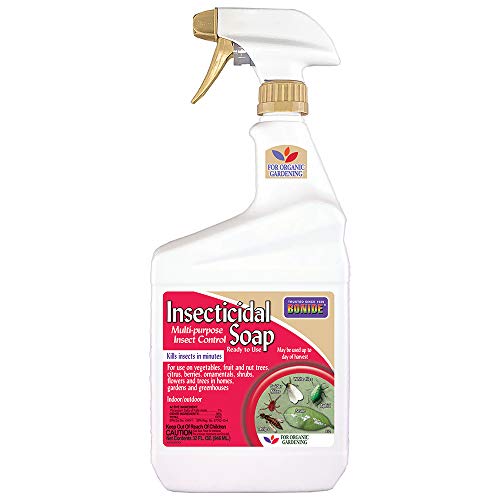
- Insecticidal soap for houseplants spray bottle
- Neem oil for houseplants spray bottle
- Spinosad insect killer for aphids on indoor plants spray bottle
- Water sprayer or mister (for dilute treatments and thorough coverage)
- Soft cloth or sponge (for manual removal of sticky residue)

Before You Start
Inspect each plant to count aphids and note leaf damage. Prepare a clean tray or workspace to catch runoff and protect nearby surfaces. Wear gloves if you have sensitive skin and avoid spraying in direct sunlight or near candles or heat sources. Plan to apply treatments during the plant’s normal growth period or early morning/late afternoon to minimize leaf burn. A typical treatment interval is every 5–7 days, depending on product directions and level of infestation.
Step-By-Step: How To Get Rid Of Aphids On Indoor Plants
- Inspect the plant and calmly remove visible aphids with a soft cloth or sponge, especially from undersides of leaves.
- Test a small leaf area with insecticidal soap for houseplants spray bottle to ensure there is no adverse reaction.
- Apply the soap solution evenly across the plant, including undersides of leaves and the stem, until droplets bead but do not run off.
- Allow the soap to dry on the foliage, then wipe away any residue that drips onto the pot or saucer to prevent buildup.
- If aphids persist or leaf damage is extensive, follow with neem oil for houseplants spray bottle according to label directions, ensuring complete leaf coverage.
- For stubborn populations, introduce or rotate to a spinosad insect killer for aphids on indoor plants spray bottle, applying as directed on the product label.
- Continue monitoring every few days and repeat treatments as needed, paying close attention to new growth where aphids often reappear.
- Combine chemical controls with cultural steps: isolate heavily infested plants, prune severely damaged shoots, and avoid overwatering, which can encourage aphid reproduction.
Troubleshooting
| Symptom | Likely Cause | Fix | Prevention |
|---|---|---|---|
| Leaves still curling after treatment | Aphids are hidden on new growth | Reapply spray focusing on new growth; repeat in 5–7 days | Regular scouting; inspect new leaves on arrival |
| Sooty mold or sticky residue | Honeydew from aphids attracting mold | Wipe leaves with damp cloth and improve air circulation | Control aphids promptly to prevent honeydew buildup |
| Leaf burn after spray | Sprayed in direct sun or with too strong solution | Spray in early morning/late afternoon; dilute according to label | Always follow label for dilution and timing |
| Recurrence after several weeks | Underside leaf colonies missed; lifecycle ongoing | Re-treat with appropriate product; rotate products | Monitor weekly and remove hidden pests promptly |
Common Mistakes
- Overusing one type of product, which can lead to resistance or phytotoxicity
- Spraying some houseplants while avoiding others in the same room, allowing pests to spread
- Neglecting to test products on a small area before full application
- Ignoring cleanup after spraying, leaving residue on leaves that can cause burn
Tips For Best Results
- Apply treatments in the plant’s typical growing cycle for best uptake and efficacy
- Thin out crowded growth to improve air circulation and reduce humidity hotspots that favor aphids
- Rotate products to prevent resistance and maintain effectiveness
- Clean the area around pots to remove fallen aphids and prevent recurring infestations
Call A Professional
Seek professional help if an infestation covers more than half of a plant’s foliage or if houseplants are part of a commercial display. Stop signs include rapid spread to multiple containers, signs of plant decline despite repeated treatments, or if people or pets show sensitive reactions to sprays. A pro can accurately diagnose pest pressure and recommend an integrated pest management plan tailored to indoor environments.
FAQ
What is the most effective starter treatment for indoor aphids?
Begin with insecticidal soap for houseplants spray bottle, which provides quick knockdown with minimal risk to most plants.
Can I use neem oil and insecticidal soap together?
Yes, but space out applications according to label directions and avoid mixing in the same spray bottle; rinse between uses when recommended.
How often should I treat indoor plants for aphids?
Check weekly and reapply every 5–7 days as needed, especially during active growth or when new aphids appear.
Will aphids return after treatment?
Yes, if conditions remain favorable (high humidity, crowded growth). Regular monitoring and preventive pruning help reduce recurrences.
Is there a risk to pets or children?
Many products are formulated for indoor use with low toxicity. Always follow label directions and keep treated plants out of reach if needed.
Should I isolate infested plants?
Yes, move affected plants away from healthy specimens to prevent spread and allow targeted treatment.
When is it necessary to call a professional?
When infestations are severe, spreading quickly, or persistent after multiple treatment cycles.
Buying Guide
Choosing the right products and setup for aphid control on indoor plants involves several factors. Consider the size of your plant collection, infestation severity, and room conditions before purchasing.
Size of the plant: Large plants or those with densely packed leaves may require multiple applications and thorough coverage. Smaller pots are easier to manage and spray evenly.
Noise level: Most sprays are silent, but if you use a misting tool or sprayer, ensure it operates quietly and without leaks in living spaces.
Energy efficiency: Sprayers and pumps use minimal energy; choose manual pumps or battery-powered sprayers with low draw to minimize electricity use.
Controls: Look for sprayers with adjustable nozzle patterns and easy, consistent dilution guidance. Clear directions help maintain safe, effective coverage.
Placement: Position the plant in a spot with good airflow and away from direct sunlight during spraying. Consider containment for runoff and easy access to treat undersides of leaves.
When comparing products, evaluate the quickness of knockdown, spectrum of pests controlled, and compatibility with houseplants. For many households, a staged approach using insecticidal soap, then neem oil, and finally targeted spinosad applications provides a balanced, effective strategy. Always follow label instructions, respect safety cautions, and monitor plants closely to maintain a thriving indoor garden.
Leave a Reply