How to Get Rid of Aphids on Hibiscus
Aphids can quickly infest hibiscus plants, causing distorted growth, sticky honeydew, and sooty mold. This guide outlines practical, garden-tested methods that work in American backyards and patios, using accessible products and safe practices for outdoor hibiscus care.
Readers will find a straightforward, step-by-step approach to identifying aphids, choosing the right control methods, and preventing reinfestation. The focus is on maintaining plant health while minimizing environmental impact.
Quick Answer
Begin with a strong water jet to dislodge aphids, then apply a targeted insecticide or soapy spray as needed. For best results, rotate products like neem oil insecticidal spray for hibiscus aphids 16 oz, potassium soap insecticidal soap concentrate for hibiscus aphids 32 oz, and horticultural oil spray for aphids on hibiscus outdoor plants 1 quart to disrupt aphid life cycles and reduce resistance.
What You’ll Need
- neem oil insecticidal spray for hibiscus aphids 16 oz
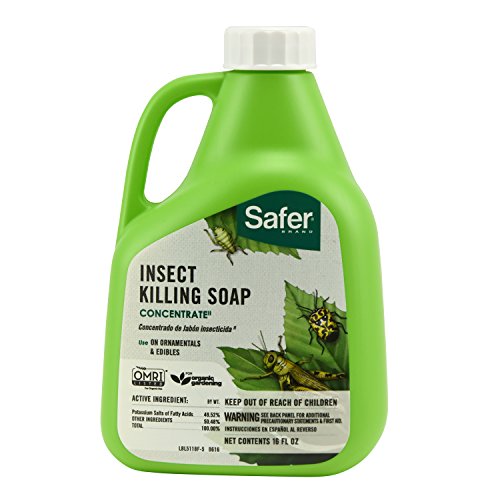
- potassium soap insecticidal soap concentrate for hibiscus aphids 32 oz
- horticultural oil spray for aphids on hibiscus outdoor plants 1 quart
- Watering can or spray bottle for dilution and application
- Soft spray nozzle or mister to avoid leaf damage
- Gloves and eye protection for handling concentrates

Before You Start
Check your hibiscus for aphid colonies on new growth and undersides of leaves. Important cautions: test any spray on a small leaf area first to ensure no phytotoxicity, especially on hot, sunny days. Avoid spraying in the hottest part of the day to prevent leaf burn. If beneficial insects are present, target sprays to minimize disruption.
Time estimates vary by plant size and infestation, but a typical initial treatment takes about 20–45 minutes, including inspection and repeat treatment scheduling. Maintain consistent monitoring for 1–2 weeks to ensure control takes hold and to catch re-emerging aphids early.
Step-By-Step: How To Remove Aphids From Hibiscus
- Inspect the plant carefully, focusing on new growth and the undersides of leaves where aphids hide.
- Gently dislodge aphids with a strong, steady spray of water from a garden hose, starting at the top of the plant and moving downward.
- Apply neem oil insecticidal spray for hibiscus aphids 16 oz according to label directions to disrupt feeding and reproduction.
- If aphids persist, switch to potassium soap insecticidal soap concentrate for hibiscus aphids 32 oz or a similar soapy spray, coating both leaf surfaces and stems.
- Wait 24–48 hours, then re-check the plant. Repeat soap or neem treatment if needed, ensuring not to over-saturate the soil.
- Consider adding horticultural oil spray for aphids on hibiscus outdoor plants 1 quart as a complementary layer, especially during cooler periods when oil sprays are most effective.
- Prune severely infested, damaged growth to help the plant redirect energy to healthy tissue.
- Mulch around the base to deter pests and maintain even moisture, which helps the plant recover faster.
- Continue monitoring weekly for 4–6 weeks to prevent reinfestation and to observe a return to normal growth.
- For persistent outbreaks, rotate between products to reduce resistance buildup and maintain effectiveness.
- Document results and adjust spray timing to target aphids during their peak life stages in spring and early summer.
Troubleshooting
| Symptom | Likely Cause | Fix | Prevention |
|---|---|---|---|
| Leaves curl or become discolored after spray | Chemical sensitivity or oil residue | Rinse leaves gently with water and apply another product with caution | Test on a small area first; avoid applying during peak heat |
| Little to no improvement after 1 week | Early-stage infestation; resistance to a single product | Rotate products (neem oil, insecticidal soap, horticultural oil) | Regular monitoring and proactive treatment in new growth |
| Sticky residues without visible aphids | Honeydew and sooty mold from aphids or scale | Address aphids with insecticides and clean leaves; prune moldy areas | Encourage natural predators and maintain plant health |
| Leaf drop after treatment | Overuse of oil-based sprays or stress | Limit spray frequency; ensure proper dilution | Water plants adequately and avoid drought stress |
Common Mistakes
- Applying oils or soaps during the heat of the day, which can scorch foliage
- Overlooking hidden undersides of leaves where aphids hide
- Relying on a single product repeatedly, allowing resistance to develop
- Spraying flowering blooms too aggressively, potentially harming pollinators
- Neglecting to monitor and follow up after the initial treatment
Tips For Best Results
- Rotate among neem oil, insecticidal soap, and horticultural oil to reduce resistance
- Spray in the early morning or late afternoon to minimize sun exposure and leaf damage
- Target the undersides of leaves and new growth where aphids concentrate
- Keep plants well-watered and well-fed to boost natural defenses
- Combine physical removal with chemical controls for faster relief
- Isolate severely infested plants to protect nearby ornamentals
Call A Professional
If hibiscus plants are heavily infested, showing widespread leaf drop, or if environmental conditions favor rapid spread (for example, in a densely planted hedge), consider consulting a licensed horticulturist or a local extension service. Stop signs include persistent damage after two treatment cycles, signs of plant decline despite repeated measures, or suspicion of a different pest or disease beyond aphids.
FAQ
Can I use neem oil on hibiscus safely?
Yes, neem oil is commonly used on hibiscus and helps disrupt aphid feeding and reproduction when applied as directed.
Is insecticidal soap effective against aphids?
Insecticidal soap is effective for soft-bodied pests like aphids, especially when thoroughly applied to all leaf surfaces.
How often should I spray?
Start with weekly applications for 2–3 weeks, then space out as numbers decline and monitor for reinfestation.
Will oils harm beneficial insects?
Oil-based products can affect beneficials if overapplied. Use targeted applications and avoid bloom times when pollinators are active.
Should I prune infested growth?
Pruning infested shoots can reduce pest load and improve air circulation, aiding recovery.
What about indoor hibiscus plants?
Indoor hibiscus benefit from careful ventilation and avoidance of over-wetting leaves; apply treatments sparingly and monitor for plant stress.
How can I prevent future aphid outbreaks?
Maintain plant vigor, inspect regularly, and rotate controls; integrating beneficial insects can help maintain balance.
Buying Guide
When choosing products to combat hibiscus aphids, consider size, formulation, and how they fit your gardening routine. For example, a 16 oz neem oil spray is convenient for spot treatments, while a 32 oz pot of insecticidal soap provides more bulk for larger or multiple plants. Outdoor hibiscus typically respond well to horticultural oil sprays during milder weather, but ensure compatibility with local climate conditions.
Key buying factors include:
- Size and coverage: Match the product volume to your garden size and the number of hibiscus plants.
- Active ingredients: Neem oil, potassium soap, and horticultural oil offer different modes of action; rotating helps prevent resistance.
- Filter by plant safety: Look for labeling that confirms safe use on hibiscus and outdoor ornamentals.
- Application ease: Ready-to-use sprays are convenient, while concentrates require dilution—check your preferred setup.
- Weather considerations: Oil and soap formulations work best on dry leaves; avoid rain within 24 hours of application.
- Environmental impact: Opt for products with minimal impact on pollinators when applied correctly and avoid flowering periods.
For best results, maintain a routine of inspection, timely treatment, and clean-up. With careful product use and ongoing monitoring, hibiscus plants can regain vigor and stay largely pest-free throughout the growing season.
Leave a Reply