How to Get Rid of Ant Trails in the House
Ant trails inside a home can be persistent and disruptive, especially when they lead to food sources. This guide provides practical, step-by-step methods using common, consumer-friendly products to stop the trail and prevent a future infestation. The focus is on fast, effective action with household-safe solutions.
Quick Answer
Block the trail, eliminate the scent pheromones, and disrupt the colony’s access. Start with a targeted spray to knock down the active ants, deploy bait stations to attract and kill workers, and sprinkle food-grade diatomaceous earth along entry points and behind appliances for long-term protection. Regularly monitor and reapply as needed.
What You’ll Need
- Ant spray interior 16 oz for home use
- Ant bait stations indoor kitchen 6-pack
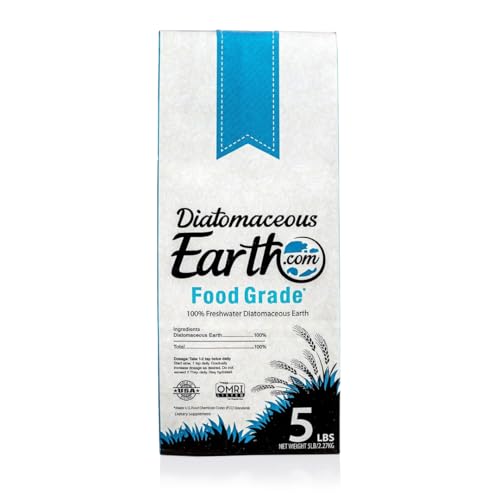
- Diatomaceous earth food grade 5 lb for ants


Before You Start
Before treatment, identify where trails are most active and seal obvious entry points such as gaps around pipes and baseboard cracks. Clear countertops and sweep floors to remove accessible food sources. Keep pets and children away from treated areas until sprays dry and bait stations are in place. Time estimates vary by severity but plan for several hours of active work over a couple of days for best results.
Safety cautions include reading product labels, using protective gloves when handling powders, and ensuring good ventilation during chemical applications. Do not mix products unless the label explicitly allows it. For sensitive habitats like kitchens, avoid placing bait where food is prepared or consumed until the area is cleaned after baiting.
Step-By-Step: How To Get Rid Of Ant Trails In The House
- Survey and map the trails to understand how ants are moving and which areas they frequent.
- Spray active trails with the ant spray interior 16 oz for home use from a distance to avoid crushing workers and to reduce pheromone transfer.
- Place ant bait stations indoor kitchen 6-pack near the trail but away from direct contact with food prep areas.
- Sprinkle a thin line of diatomaceous earth food grade 5 lb for ants along baseboards, door thresholds, and entry points.
- Re-spray every few days in the same areas to maintain a barrier while bait stations lure foragers back to the nest.
- Trim back vegetation and remove outdoor attractants such as standing water or exposed sweets near doors and windows to deter foragers from re-entering.
- Track new activity and rotate products if trails persist after a week to prevent behavioral adaptation.
- Clean and seal entry routes once trails are reduced to prevent new incursions.
Troubleshooting
| Symptom | Likely Cause | Fix | Prevention |
|---|---|---|---|
| Ants return after initial treatment | New foragers finding fresh pheromone trails | Reapply spray and replace bait stations; add more diatomaceous earth along entry points | Seal entry gaps and maintain clean surfaces |
| Ants ignore bait stations | Bait not preferred or mislocated | Move bait stations closer to foraging trails; try a different bait type | Ensure bait stations are accessible but not touched by children or pets |
| Ants concentrated in one room only | Localized food source or moisture issue | Address moisture problems and remove nearby food attractants | Regularly wipe spills and store food sealed |
| Spray seems ineffective | Undersprayed area or rapid re-infestation | Cover all active trails with a full spray; reapply per label timing | Maintain barriers and monitor for new trails |
Common Mistakes
- Overlapping pesticide use without waiting for drying times
- Applying bait in areas inaccessible to ants or to children/pets
- Ignoring outdoor sources that feed indoor colonies
- Relying on a single method instead of combining barriers, baiting, and sanitation
Using a multifaceted approach yields faster, longer-lasting control, especially when drags and trails indicate a robust colony nearby.
Tips For Best Results
- Time applications for low-traffic hours to minimize disturbance and maximize product effectiveness.
- Keep bait stations fresh by replacing them every few weeks or as recommended on the label.
- Vacuum up dead ants and debris after treatment to reduce pheromone cues that attract more workers.
- Use diatomaceous earth in dry, low-humidiy areas where moisture could reduce its effectiveness.
- Maintain a clean kitchen; store food in sealed containers and promptly wipe crumbs and spills.
Call A Professional
Consider a pest control professional if:
– Ant activity persists beyond two to four weeks despite multiple treatments
– A large infestation is suspected or indoors there are nesting colonies not accessible to DIY methods
– There are signs of structural damage or widespread moisture issues
In these cases, a pro can assess infestation scale, diagnose nesting sites, and provide targeted, effective treatments.
FAQ
Can I use ant bait stations indoors near the kitchen?
Yes, place bait stations away from direct food contact areas while keeping them accessible to foraging ants.
Is diatomaceous earth safe for pets and kids?
When used as directed, food-grade diatomaceous earth is generally well tolerated, but keep it away from inhalation by children and pets.
How long does it take to see results?
Ants can start to decline within days, but complete control may take one to several weeks depending on colony size.
Should I treat outdoors as well?
Yes, addressing outdoor trails and foraging sources helps prevent re-entry and re-infestation indoors.
What if the trails keep returning after treatment?
Reassess entry points, reseal gaps, refresh baits, and ensure sanitation is consistent; persistent activity may require professional help.
Buying Guide
When choosing products to manage ant trails in a home environment, consider several factors to ensure safe, effective results. Size and placement of the space determine how much product is needed and where it should be applied. Noise level is rarely a concern for indoor sprays, but odor and residue may be factors in kitchens and living spaces. Energy efficiency and control options are relevant for electronics and automated devices if you integrate smart home pest control. Look for child- and pet-safe labels, simple usage instructions, and clear reapplication intervals. Compare the balance between immediate knockdown with sprays and the long-term prevention offered by bait stations and desiccants. A well-rounded approach combines these elements to keep ant trails from reappearing.
Frequently asked buying questions include: Which combination of products works best for a light versus heavy infestation? How should products be positioned for best trail disruption? Are there eco-friendly or pet-safe options that still deliver strong results? The right mix often includes a fast-acting spray for immediate relief, bait stations to target the colony, and a residual barrier such as diatomaceous earth to deter re-entry.
Leave a Reply