How to Get Rid of Algae in Pool
Algae in pools is a common issue, especially in warmer months or after rainstorms when chlorine levels dip. A clean, clear pool not only looks inviting but also stays safer for swimmers. This guide provides practical, step-by-step methods to remove algae, maintain water clarity, and prevent future outbreaks.
Quick Answer
Treat algae promptly with a pool algaecide treatment for inground pools, shock the water with a pool shock granular chlorine for algae removal, and scrub surfaces with a pool algae brush and skimmer cleaning tool to remove biofilm. Maintain proper chlorine and pH levels, run the pump regularly, and monitor algae growth to stop it early.
What You’ll Need
- Pool algaecide treatment for inground pools (as directed by product label)
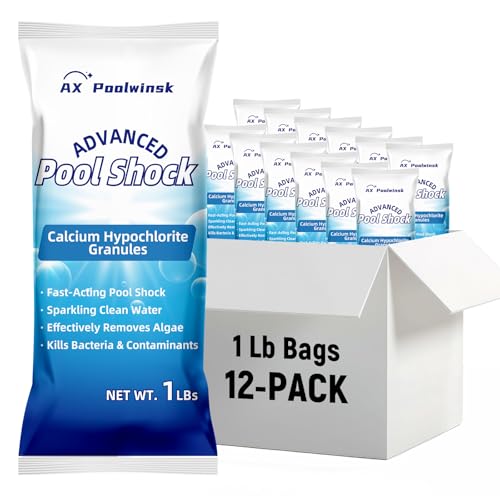
- Pool shock granular chlorine for algae removal (calcium or non-chlorine alternatives as recommended)
- Pool algae brush and skimmer cleaning tool for scrubbing and debris removal
- Test strips or a liquid test kit to measure chlorine, pH, and alkalinity
- Pool pump and filter that are in good working condition


Before You Start
Prepare the area and set expectations: clear the pool deck, remove debris, and ensure you have adequate time for treatment and filtering. Check safety notes on chemical labels and wear appropriate protective gear. Aim to work when the sun isn’t at its peak to prevent rapid chemical evaporation. Time estimates vary with algae severity: simple cases may take a few hours, while heavy growth can span a few days of treatment and filtration. Follow all label directions exactly to avoid chemical mishaps.
Step-By-Step: How To Remove Pool Algae
- Test water chemistry and balance the pH between 7.2 and 7.6 before adding any chemicals.
- Shock the pool with the recommended dose of pool shock granular chlorine for algae removal to kill existing algae.
- Run the pool filter continuously for at least 8–12 hours after shocking, and backwash or clean the filter as needed.
- Apply the pool algaecide treatment for inground pools according to the label for preventative and curative action.
- Brush all surfaces, steps, and corners with the pool algae brush and skimmer cleaning tool to break up biofilm.
- Remove debris with the skimmer and re-test chlorine levels; raise free chlorine to the recommended target.
- Re-shock if test results show persistent algae or a green tint after 24 hours of filtration.
- Monitor daily for signs of new growth and maintain a regular schedule of brushing and filtering until the water stays clear.
- Keep a consistent routine: weekly brushing, monthly shocking during peak season, and periodic algaecide treatment as a preventative measure.
- Address source issues such as poor circulation or shaded areas that favor algae growth to prevent recurrence.
Troubleshooting
| Symptom | Likely Cause | Fix | Prevention |
|---|---|---|---|
| Green cloudy water | Insufficient chlorine or recent rainfall diluting sanitizer | Re-shock and retest; adjust chlorine | Maintain proper sanitation and monitor after storms |
| Persistent algae on walls | Strong biofilm resistant to initial shock | Increase brushing intensity and apply algaecide per label | Regular brushing and consistent filtration |
| Foaming or strong chemical odor | Over-shocking or improper pH | Test and correct pH; dilute with fresh water if needed | Follow label dosages precisely |
| Algae returning after few days | Hidden areas not scrubbed or low circulation | Brush those areas again and improve flow | Improve circulation and keep surfaces clean |
Common Mistakes
- Skipping pre-treatment pH adjustment, which reduces chlorine effectiveness
- Overlooking filter maintenance, allowing dead algae to recirculate
- Using too little algaecide or delaying treatment after detection
- Neglecting to brush hard-to-reach areas such as corners and steps
Tips For Best Results
- Schedule regular brushing sessions to disrupt biofilm formation
- Keep a consistent sanitation routine, especially during hot or rainy seasons
- Choose the right shock level for the pool size and algae severity
- Test water frequently during treatment and after heavy use
Call A Professional
Consider professional help if algae persists after multiple shock treatments, the water remains cloudy, or you notice persistent staining. Seek a pro when you suspect a failing pump, broken lines, or persistent chemical imbalances that routine maintenance cannot fix.
FAQ
Is algae dangerous for swimmers?
Algae itself is not typically toxic, but it can harbor bacteria and reduce water quality, leading to skin or eye irritation.
How often should I shock my pool?
Shocking frequency depends on usage, temperature, and rainfall; during peak season, weekly shocks are common when algae risk is high.
Can I use household chlorine products?
Do not substitute with household bleaching products; use pool-specific shock and algaecide as directed.
How long does it take to clear green water?
Clear water typically takes 24–48 hours with proper shocking, brushing, and filtration, though severe cases may take longer.
Should I drain or partially drain my pool during treatment?
Drainage is usually unnecessary and can disrupt chemical balance; focus on chemical treatment and filtration instead.
Buying Guide
When shopping for algae control products, consider size, pool type, and routine maintenance needs. Key factors include size and compatibility with inground pools, efficacy against green and black algae, and ease of use for regular upkeep. Look at package directions and whether the product is compatible with your existing sanitizer. Consider a combo approach that includes a reliable pool shock granular chlorine for algae removal and a compatible pool algaecide treatment for inground pools.
Noise, energy use, and placement influence long-term costs and convenience. A stable, properly sized pump with a clean filter reduces algae growth by improving circulation. For smaller or shaded pools, select products with formulations optimized for lower sunlight exposure. Finally, keep a simple log of treatment dates, chemical readings, and visible algae to track progress and inform future purchases.
Leave a Reply