How to Get Rid of Algae in a Fish Tank Naturally
Algae growth in a home aquarium is common and can be controlled without harsh chemicals. This guide explains natural methods to reduce and prevent algae while keeping fish healthy and thriving. By combining regular maintenance, smart lighting, and safe tools, hobbyists can maintain a clear, balanced tank ecosystem.
Understanding the root causes of algae, such as excess nutrients, improper lighting, and insufficient filtration, helps craft an effective plan. The steps below emphasize safe, natural approaches and introduce practical tools to simplify the process.
Quick Answer
Reduce light exposure to 6–8 hours daily, limit nutrients by avoiding overfeeding, and use targeted cleaning tools to remove visible algae. Combine routine water changes with mechanical removal using dedicated aquarium tools for best results.
What You’ll Need
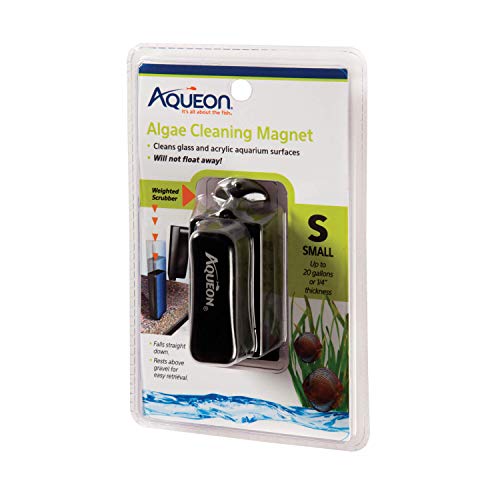
- Magnetic algae scraper for aquarium glass tank
- Stainless steel aquarium algae scraper with replaceable blades
- Aquarium algae removing brush long handle


Before You Start
Before beginning, unplug devices near the tank and turn off any electrical equipment to avoid risks. Inspect the tank for a stable substrate and proper filtration. Plan for a gradual approach rather than drastic changes, which can stress fish. Time estimates vary by tank size and algae level, but expect a few weeks for noticeable improvement.
Critical cautions: avoid drastic chemical cleaners inside the tank. Do not unplug or disassemble essential filters mid-cleaning. If you have sensitive species, adjust lighting and feeding more gradually.
Step-By-Step: How To Get Rid Of Algae Naturally
- Assess the algae type and location: spot algae on glass, substrate, or decorations may require different tools.
- Set a cleaning schedule: plan regular maintenance days focused on algae control and water quality checks.
- Use appropriate tools: for glass edges and corners, employ the magnetic algae scraper for aquarium glass tank; for tougher growth, switch to the stainless steel algae scraper with replaceable blades; use the long-handle brush for hard-to-reach areas.
- Control lighting: reduce daily light exposure to 6–8 hours; use a timer to create a consistent day-night cycle and prevent overgrowth.
- Perform partial water changes: remove 10–25% of tank water every week to dilute nutrients that feed algae, while keeping temperature and salinity stable for tropical species.
- Clean the filter and decor: rinse removable decor and filter media in tank water (not tap water) to preserve beneficial bacteria and remove algae buildup.
- Limit nutrients: avoid overfeeding and remove uneaten food promptly; test for excess phosphates and nitrates if algae persists.
- Incorporate live plants if appropriate: compatible aquatic plants compete with algae for nutrients and can help balance growth.
- Monitor changes: observe fish behavior and color, and adjust cleaning frequency or lighting if new algae appear after changes.
- Establish a long-term routine: maintain cleaning tools, replace worn blades, and store tools properly to prevent contamination.
- Document progress: note algae levels weekly to determine if adjustments are effective and to avoid over-cleaning safe bacteria ecosystems.
Troubleshooting
| Symptom | Likely Cause | Fix | Prevention |
|---|---|---|---|
| Visible brown film on glass | High nutrients and low water movement | Increase water turnover; perform a small water change | Regular maintenance and balanced feeding |
| Green fuzz on surfaces | Excess light or rich nutrients | Adjust lighting; trim nutrient inputs | Use a timer; monitor feeding |
| Slime algae on decorations | Too much organic waste | Clean surfaces with algae brush; increase filtration | Cleaner substrate and controlled feeding |
| Recurring algae after cleaning | Inadequate filtration or high nitrate/phosphate | Check filter efficiency; test water parameters | Regular water changes and nitrate/phosphate management |
| Algae on substrate | Lighted substrate areas and nutrient access | Limit light exposure near the bottom; adjust substrate depth | Balanced nutrient management |
Common Mistakes
- Over-cleaning the tank, which can strip beneficial bacteria
- Using harsh cleaners or chemicals inside the aquarium
- Neglecting regular water changes and filtration maintenance
- Allowing uneven lighting that favors algae growth in certain tank zones
- Overfeeding leading to excess nutrients
Tips For Best Results
- Install a consistent light schedule with a timer to prevent algae flare-ups.
- Stagger deep cleaning with routine weekly maintenance to preserve beneficial bacteria.
- Match tools to the tank surface: magnetic scrapers for glass and brush tools for corners and decorations.
- Test water weekly for nitrates and phosphates, especially after changes in lighting or feeding.
- Consider natural allies like fast-growing aquatic plants that uptake nutrients
Call A Professional
Seek professional help if algae covers more than 50% of the tank over several weeks, if fish show signs of distress despite cleaning, or if persistent bloom indicates a deeper issue with filtration or water chemistry. Significant tank changes or persistent algae with unusual colors (e.g., black or brown spots spreading rapidly) may warrant expert assessment.
FAQ
What is the fastest natural way to reduce algae?
Reduce light exposure, limit nutrients through careful feeding, and perform regular partial water changes while using appropriate cleaning tools.
Can algae be removed without harming fish?
Yes. Use non-chemical methods, such as scrapers, brushes, and controlled lighting, while maintaining stable water conditions.
How often should I clean algae with tools?
Spot-clean weekly and perform a full tank cleanup every 2–4 weeks, depending on algae growth and tank size.
Should I add live plants to combat algae?
Live plants can help by competing for nutrients, but ensure compatibility with current fish and lighting before adding them.
Buying Guide
When choosing tools to manage algae, focus on compatibility with your tank glass and decor, ease of use, and blade durability. Key buying factors include size and compatibility with tank dimensions, noise level of any filtration or skimmers, energy efficiency of any powered equipment, controls such as timers or adjustable handles, and placement flexibility for hard-to-reach areas. Consider a combination kit that includes a magnetic algae scraper for glass, a stainless steel scraper with replacement blades for tough growth, and a long-handle brush for corners. Compare how each tool fits your tank setup and ease of handling during maintenance to maintain consistent algae control without disturbing fish or beneficial bacteria.
Leave a Reply