How to Get Rid of Alcohol Smell in Your Home
Alcohol odors can linger after parties, cooking, or spill incidents. This guide provides practical, American-usage tips to eliminate alcohol smells effectively using household tools and purpose-built odor control products. The steps prioritize safety, speed, and lasting results for living spaces, kitchens, and offices.
Quick Answer
Act fast by ventilating the area, then neutralize odors with a combination of activated charcoal, odor eliminator sprays, and air purifiers with carbon filters. For stubborn smells, repeat treatments and seal sources.
What You’ll Need
- Activated charcoal odor absorber bag for alcohol smell room
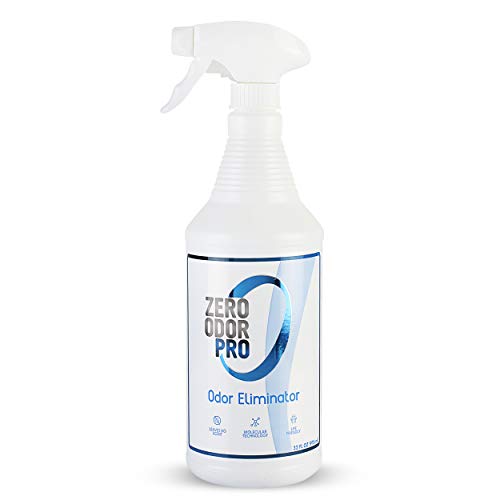
- Odor eliminator spray for alcohol odor control home
- Portable air purifier with activated carbon filter for odor removal


Before You Start
Before beginning, ensure ventilation is available by opening windows and doors. Identify the source of the odor, such as a spill, trash, or pet areas, and remove any contaminated items if possible. Wear gloves if cleaning up spills and test any spray on a small hidden area first to avoid staining. Time estimates vary: small rooms can improve within a few hours, larger spaces may require a full day of airing and treatment.
Step-By-Step: How To Get Rid Of Alcohol Smell
- Ventilate the space by opening windows and turning on fans to create cross-ventilation.
- Use activated charcoal odor absorber bags in strategic corners and near the odor source to adsorb vapors.
- Apply odor eliminator spray to fabrics, carpets, and hard surfaces following product directions.
- Wipe down hard surfaces with a mild solution and a clean cloth to remove residue that holds odor.
- Place a portable air purifier with an activated carbon filter in the room and run it on a higher setting for several hours.
- Repeat sprays and charcoal placements as needed, especially after the space re-accumulates smells from cooking or spills.
- Deep clean textiles such as curtains, cushions, and upholstery if the odor persists.
- Consider repeating the process 1–2 days later to address any lingering molecules.
- Keep windows open during and after treatments to maintain airflow and prevent reabsorption of odors.
- Seal or remove the source of the odor when possible (rubbish, contaminated items, or spills).
- Monitor the room’s smell over the next 24–48 hours and re-treat if necessary.
- After odors are reduced, rotate the purifier placement to maintain fresh air throughout the space.
Troubleshooting
| Symptom | Likely Cause | Fix | Prevention |
|---|---|---|---|
| Odor returns after airing | Odor source still present or re-emitting | Recheck source, re-treat with charcoal and spray | Address spills promptly; seal containers |
| Fabrics still smelling | Odor absorbed into textiles | Wash fabrics, sun-dry if possible | Use fabric-safe sprays and quick washes after spills |
| All surfaces smell but room feels fresh | Vapor trapped in walls or padding | Run purifier longer; use multiple strategies | Improve ongoing ventilation |
| Spray causes staining | Surface sensitivity | Test in a hidden spot first; use lighter application | Choose fabric-safe or color-safe products |
Common Mistakes
- Relying on a single method instead of combining ventilation, adsorption, and purification
- Overlooking hidden odor sources like trash or spills in hidden corners
- Using high concentrations of sprays on delicate fabrics without testing first
- Ignoring time needed for odors to fully dissipate
Tips For Best Results
- Pair activated charcoal with a running air purifier for a two-pronged approach.
- Schedule odor control after activities that tend to create alcohol smells, such as hosting or cooking.
- Place absorbers away from direct sunlight to prevent degradation of materials.
- Rotate purifier placement to reach all areas of the room.
- Keep spill cleanup supplies within reach to prevent odor from setting in.
Call A Professional
Seek professional help if odors persist after 48–72 hours, especially in commercial spaces or units with complex ventilation. Stop and contact a pro if you encounter mold, structural damage, or persistent chemical odors beyond alcohol smells.
FAQ
Can activated charcoal remove alcohol odor completely?
Activated charcoal helps adsorb many odor molecules but may need combination with sprays and purifiers for complete removal in larger spaces.
Will an air purifier alone fix the smell?
An air purifier helps reduce airborne molecules but works best when paired with cleaning and adsorption methods.
How long should I run a purifier after an odor incident?
Run it 4–8 hours initially, then monitor; longer may be needed for larger areas or persistent smells.
Is it safe to use sprays near fabrics?
Test in an inconspicuous spot first and follow product directions to avoid staining or discoloration.
Buying Guide
When selecting products to combat alcohol odors, consider size, noise level, energy efficiency, controls, and placement. For room-scale odor control, an activated charcoal odor absorber bag provides passive adsorption, while an odor eliminator spray offers targeted treatment on fabrics and surfaces. A portable air purifier with an activated carbon filter adds ongoing filtration. Size should fit the room; noise matters for bedrooms or offices; energy efficiency supports long-term use; controls should be simple to operate; and placement should optimize airflow and adsorption. For best results, use a combination of products and adjust placement based on room layout and odor sources.
Leave a Reply