How to Get Rid of Acetone Stains on Clothing and Fabrics
Acetone stains can be stubborn, especially on delicate fabrics. This guide provides practical, step-by-step methods using common cleaners and tools to remove acetone from fabric, clothing, and finished surfaces. It covers safe techniques, quick fixes, and when to seek professional help.
Quick Answer
Act quickly after a spill. Blot gently to remove excess acetone, then treat with appropriate stain removers and household cleaners. Dry flat and avoid heat until you’re sure the stain is gone. For fabrics, start with a fabric-safe approach and test on an inconspicuous area first.
What You’ll Need
- Acetone stain remover for fabric clothing
- Multi-surface solvent cleaner for acetone spills
- Stain remover pen for acetone stains on clothes
- Clean white cloths or paper towels
- Cold water and mild detergent
- White vinegar (optional for cold-water rinse)

Before You Start
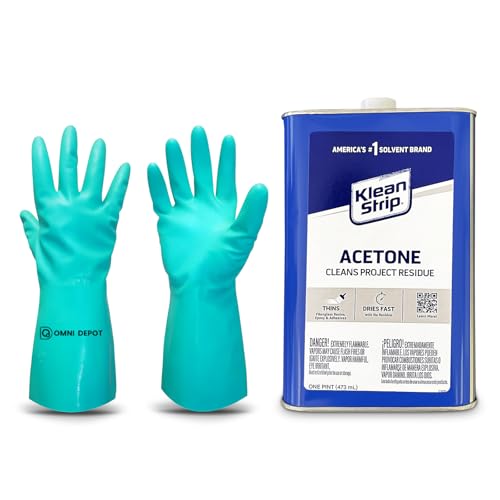
Check fabric care labels to choose compatible cleaners. Work in a well-ventilated area and wear gloves if you’re using solvent-based products. Test any cleaner on a hidden seam or hem to verify colorfastness. Time estimates: stain treatment can take 15–60 minutes per attempt, with drying times of 30–90 minutes between steps. Do not apply heat or machine-dry the fabric while the stain is present.
Step-By-Step: How To Remove Acetone Stains From Clothing
- Blot the spill with a clean white cloth to remove excess acetone. Do not rub, which can spread the stain.
- Rinse the affected area with cold water from the backside to push the stain out of the fibers.
- Apply a small amount of acetone stain remover for fabric clothing to the stained area and let it sit for 5–10 minutes.
- Gently blot again with a clean cloth to lift the stain. Repeat as needed until most of the color lifts.
- For fabrics that tolerate water, wash the item in cold water with a mild detergent. Use the gentlest cycle available.
- If the stain persists, apply stain remover pen for acetone stains on clothes directly to the spot and work it in with the pen’s tip or a soft brush.
- Rinse thoroughly and air-dry away from direct heat. Check the fabric once dry; if traces remain, repeat the treatment before applying heat.
- For stubborn residues, mix a small amount of white vinegar with cold water and rinse the fabric before a final wash.
- If stain remains after multiple attempts, consider repeating steps with a multi-surface solvent cleaner for acetone spills on non-fabric surfaces or seek an alternative fabric-safe cleaner recommended by the manufacturer.
- Finally, launder as usual and air-dry. Inspect the fabric in natural light to confirm complete removal.
- Store any used cleaners safely and ensure the area is well-ventilated during use.
Troubleshooting
| Symptom | Likely Cause | Fix | Prevention |
|---|---|---|---|
| Color fading or dye transfer | Overextended cleaner exposure | Rinse immediately and wash in cold water with a mild detergent | Test first; limit application time |
| Fabric stiffening after treatment | Residue from solvent cleaner | Rinse thoroughly and condition fabric if appropriate | Use minimal cleaner and rinse well |
| Stain reappears after washing | Deep fiber penetration | Repeat treatment or use a stain remover pen | Avoid heat until stain is fully removed |
| Wrong cleaner on delicate fabric | Incompatible solvent | Stop and test on an inconspicuous area; switch to fabric-safe options | Read care labels before applying cleaners |
Common Mistakes
- Rubbing the stain, which spreads acetone deeper into fibers.
- Using heat to dry or set the stain before it’s fully removed.
- Applying solvent cleaners without testing colorfastness.
- Using the wrong cleaner for delicate fabrics, resulting in damage or discoloration.
Tips For Best Results
- Act quickly and blot, never rub, to minimize fiber damage.
- Test cleaners on hidden areas to prevent color loss.
- Work from the outside of the stain toward the center to avoid spreading.
- Choose fabric-safe products for delicate materials like silk or wool.
- Always air-dry and re-check before applying heat or placing in a dryer.
Call A Professional
Consider a professional cleaner if the fabric is expensive, antique, or one of a kind, or if the stain is large and persistent. Seek professional help if the stain covers a large area, the fabric label restricts home cleaning, or there are repeated failed attempts. Also contact a pro if you notice color bleeding, fabric damage, or shrinking after treatment.
FAQ
Can acetone stains be removed from all fabrics?
Most fabrics respond to careful treatment, but some textiles are sensitive to solvents. Always test first and follow care labels.
Is it safe to use a stain remover pen on acetone stains?
Yes, on many fabrics, but test on a hidden area to confirm compatibility.
What if a stain returns after washing?
Repeat the treatment using the stain remover products and avoid heat until fully removed.
Are there fabrics that should not use acetone-related cleaners?
Delicate fabrics like silk or leather may require specialized products or professional cleaning.
Buying Guide
When selecting products to remove acetone stains, consider size, ease of use, and compatibility with fabrics. Look for a combination of an acetone stain remover for fabric clothing, a multi-surface solvent cleaner for acetone spills, and a stains remover pen for targeted spots. Consider the following factors to compare options effectively:
- Size and packaging: Choose convenient sizes for home use and quick spot treatments.
- Fabric compatibility: Check labels to ensure the product is safe for your materials, especially delicate fabrics.
- Removal speed: Some formulas work faster on fresh stains; others require longer dwell times.
- Odor and ventilation: Select products with milder scents if ventilation is limited.
- Residue and rinse requirements: Consider how easy it is to rinse and whether it leaves any residue.
- Cost per use: Compare efficiency and price to determine value for frequent stain removal.
- Brand reputation and safety: Use trusted brands with clear usage instructions and safety data.
Do you want a simple routine for common spills or a comprehensive toolkit for varied fabrics? A small, dedicated stain-removal kit can streamline treatment, reduce guesswork, and improve results over time.
Leave a Reply