How to Get Rid of Static on Shirts
Static cling on shirts can be a nuisance, especially in dry indoor air or during the changing seasons. This guide explains practical, proven methods to reduce or eliminate static quickly and safely, using common household tools and products.
By following simple steps, you can keep fabrics smooth, comfortable, and free from that clingy feeling. The techniques below cover everyday fabrics and work well for most cottons, blends, and synthetics.
Quick Answer
Answer at a glance: Use a dampened fabric, a fabric freshener with anti-static properties, or a quick-pass of a garment steamer to release static. For regular maintenance, rotate anti-static dryer sheets with laundry loads and consider a light mist with an antistatic spray on problem shirts.
What You’ll Need
Gather these tools and supplies to tackle static on shirts. If you already own these items, you can start immediately.
- antistatic spray for clothes 12 oz fabric freshener
- dryer sheets anti static for laundry static cling 240 count
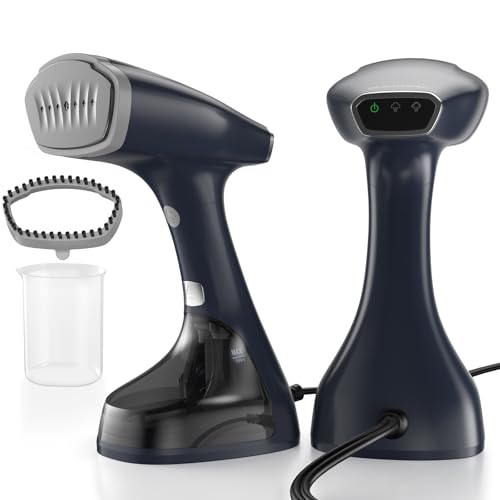
- garment steamer static reduction wrinkles 1500W
- clean spray bottle (optional for diluting products)
- soft, clean cloth or sponge


Before You Start
Static issues are often worse in dry indoor air and with certain fabrics. Before you begin, consider the environment and fabric type. Test any spray or vapor on an inconspicuous area first to avoid staining. If you wear delicate fabrics like silk or rayon, use gentler methods and avoid high heat. Estimated time for initial treatment: 5–10 minutes per shirt, depending on method.
Step-By-Step: How To Get Rid Of Static On Shirts
- Lay the shirt flat on a clean surface or hang it to work more comfortably.
- Lightly mist the shirt with an antistatic spray for clothes, holding the bottle several inches away. Avoid soaking the fabric.
- Wipe any excess spray with a soft cloth to distribute evenly and prevent streaks.
- Rub a damp cloth along the inside of the shirt, focusing on sleeves and cuffs to transfer moisture and reduce static buildup.
- Rinse a dryer sheet briefly between your hands, then gently run it over the shirt’s surface to neutralize cling.
- Use a garment steamer with steady, vertical passes to relax fibers and dissipate static without overheating. Move slowly to avoid water spots.
- For stubborn cling, lightly touch the shirt with a damp hand or cloth to discharge static before wearing.
- If you wash again, consider adding a dryer sheet to the dryer load or using a spray designed to reduce static in fabrics.
- Store shirts in a slightly humid area or use a humidifier in dry rooms to minimize future static buildup.
- A quick daily routine: a light mist or a single pass with a garment steamer before leaving the house can prevent cling.
- Keep fabrics separated by material type in storage to reduce friction and static accumulation during movement.
- For travel or quick fixes, carry a small antistatic spray or a travel-sized garment steamer for on-the-go uses.
Troubleshooting
| Symptom | Likely Cause | Fix | Prevention |
|---|---|---|---|
| Shirt still sticks after treatment | Insufficient moisture or high static buildup | Reapply antistatic spray or lightly dampen fabric and re-steam | Increase humidity in living space; use dryer sheets regularly |
| Streaks or residue after spray | Over-application or incompatible fabric | Wipe with a clean cloth and apply sparingly | Test on hidden area first; opt for fabric-safe formulas |
| Static returns during wear | Dry air and movement | Keep a small anti-static item handy; use humidifier | Wear natural fibers when possible; maintain moisture in environment |
| Wrinkling after moisture | Over-steaming or heat exposure | Use short steam bursts and cool-down period | Follow garment care labels closely |
Common Mistakes
- Using too much spray, which can leave residue or stiffness.
- Applying heat too soon after moisture, causing wrinkles or scorch marks.
- Rubbing fabric aggressively, which can damage fibers and increase static.
- Ignoring fabric care labels that warn against certain treatments.
Tips For Best Results
Combining methods often yields the best outcome. For example, a light mist with an antistatic spray followed by a quick pass of a garment steamer can effectively neutralize static while smoothing wrinkles. Keep a routine that suits your climate: in dry winter months, incorporate humidity and routine use of anti-static products. When selecting products, prioritize fabric-safe options and test on a small area first.
Call A Professional
Static issues on shirts are typically safe to fix at home. You should consider professional help if shirts show persistent fabric damage, persistent pilling after multiple treatments, or if you suspect chemical sensitivities to sprays. Seek expert care for any persistent electrical shocks during wear or unusual fabric behavior that suggests a material defect.
FAQ
What is the fastest way to remove static from a shirt?
A quick mist of antistatic spray followed by a light pass with a garment steamer typically works fastest.
Can dryer sheets really prevent static on shirts?
Yes, when used regularly, dryer sheets can reduce static by coating fibers with a conductive layer that reduces cling.
Is it safe to use a garment steamer on all fabrics?
Most fabrics respond well, but always check the care label; delicate fibers may require lower heat and gentler passes.
How can I prevent static on shirts in dry weather?
Maintain ambient humidity, use anti-static sprays sparingly, and consider rotating different fabrics in your wardrobe to reduce friction.
Should I avoid washing shirts with other fabrics to reduce static?
Separating synthetics from natural fibers can help reduce static buildup during washing.
Is it okay to wear a shirt while applying anti-static products?
Yes, but allow any applied product to dry before wearing to prevent residue on skin.
Will a humidifier help long-term with static on shirts?
Yes, a humidifier reduces overall static in a room by increasing moisture in the air.
Buying Guide
When choosing anti-static products for shirts, consider several factors to ensure you get the best results. Size matters for storage and convenience; smaller bottles are easier for travel, while larger bottles are more economical for home use. Noise level and energy efficiency matter if you use electric steamers or hot-air devices regularly. For controls, look for simple spray bottles or steamers with adjustable settings. Placement in your home should be near laundry areas or closet spaces for quick access. Compare performance across products by examining how well they reduce cling, how they leave fabrics feeling, and how long the effect lasts. Do you prefer a fabric freshener with anti-static properties, or a traditional dryer sheet routine? Some shoppers combine methods to tailor results to their wardrobe needs, climate, and lifestyle.
Leave a Reply