How to Get Rid of a Stain
Stains on carpets, clothing, and upholstery can be stubborn, but with the right approach you can lift most marks effectively. This guide covers practical steps, safe products, and troubleshooting tips to help American households restore fabrics and surfaces.
Quick Answer
Act quickly by blotting the stain, then treat with a targeted stain remover. For fabrics, use a stain remover pen on set-in marks and follow with a multi-surface spray for upholstery. For larger areas, a carpet stain remover enzymatic formula can break down organic spills. Always test a hidden area first and follow product directions for best results.
What You’ll Need
- Carpet stain remover enzymatic formula 32oz spray
- Stain remover pen for clothes set-in stain
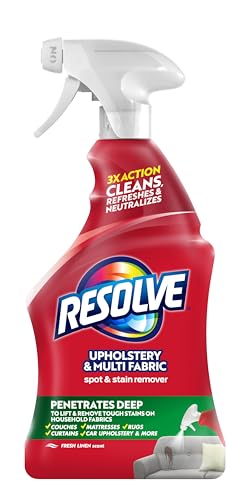
- Multi-surface stain remover spray for upholstery and fabric 32 oz


Before You Start
Clear the area of furniture or items that could get in the way. Blot any liquid with a clean cloth to absorb excess moisture. Test each product on a hidden fabric patch to check for color fastness. Allow treated areas to dry completely before repeating. Keep pets and children away from treated surfaces until dry. Time estimates vary from 15 minutes for quick spills to several hours for set-in stains.
Step-By-Step: How To Get Rid Of A Stain
- Blot the stain with a clean cloth to absorb excess liquid; do not rub, which can spread the stain.
- Apply a small amount of carpet stain remover enzymatic formula to the stain and let it sit for 5–10 minutes.
- Gently blot again, lifting as much of the stain as possible without rubbing.
- For fabrics with set-in stains, use the stain remover pen directly on the spot, working from the outside toward the center.
- Rinse the treated area with a damp cloth to remove residue, then blot dry with a towel.
- Apply a multi-surface stain remover spray for upholstery and fabric to the surrounding area if the stain has spread beyond the initial spot.
- Allow to air dry completely. If traces remain, repeat the process in light, even passes.
- Check the fabric after drying; avoid heat until the stain is fully lifted to prevent setting.
Troubleshooting
| Symptom | Likely Cause | Fix | Prevention |
|---|---|---|---|
| Stain reappears after drying | Incomplete removal | Reapply stain remover and repeat steps | Address promptly; blot rather than rub |
| Discoloration on fabric | Harsh chemical or over-saturation | Rinse thoroughly and test in hidden area | Use recommended amounts |
| Surface feels sticky | Residue from cleaner | Wipe with damp cloth until clean | Avoid over-application |
| Stain remains on carpet after drying | Enzymatic formula not given enough time | Reapply and let sit longer (follow label) | Pre-test and follow directions |
Common Mistakes
- Over-saturating fabric or carpet with cleaner
- Using hot water too soon on protein-based stains
- Rubbing aggressively, which can spread or embed stain
- Skipping a patch test on delicate colors or fabrics
These missteps can reduce the effectiveness of stain removal and risk damage to fibers. Following the recommended steps helps maintain fabric integrity while removing marks.
Tips For Best Results
- Work from the outside in to prevent spreading the stain.
- Use cold water for protein-based stains (like dairy or blood) and warm water for oily stains after applying cleaners.
- Let enzymes do the work; avoid rushing the dwell time on enzymatic formulas.
- Keep stain removal products accessible for quick response to new spills.
Call A Professional
When a stain covers a large area or involves delicate fabrics, or if you notice dye transfer or fading after a treatment, consider calling a professional cleaner. Seek immediate help for set-in, metallic, or unknown stains on upholstery or wall-to-wall carpeting.
FAQ
Can I use these products on all fabrics?
Most fabrics are compatible with labeled cleaners, but always test a hidden patch first and follow manufacturer instructions.
What should I do if the stain returns after washing?
Reapply the stain remover and repeat the treatment, ensuring proper dwell time and gentle blotting.
Is it safe to use on colored upholstery?
Test first; many sprays are safe, but colorfastness should be verified before broad application.
How long does it take for stains to lift completely?
Drying times vary; some stains lift within minutes, others may require multiple applications over hours.
Buying Guide
Choosing the right stain removal products involves considering fabric type, stain type, and where the stain occurs. Here are key factors:
- Size and coverage: Look for larger 32 oz sprays for carpets and upholstery to cover bigger areas efficiently.
- Stain type compatibility: Enzymatic formulas work well on organic stains like food and sweat; pens are handy for set-in spots on clothing.
- Noise level and ease of use (for spray bottles): Choose pumps or spray mechanisms that are comfortable to operate without excessive force.
- Energy efficiency: Reusable bottles and refill packs reduce waste and long-term cost.
- Controls and spray patterns: Uniform mist sprays help avoid oversaturation and ensure even coverage.
- Placement considerations: Store cleaners in a cool, dry place away from sunlight and reach of children.
When comparing products, consider how often you encounter stains, the fabrics used in your home, and whether you prefer a combined multi-surface option or targeted treatments for specific materials. If you frequently deal with mixed surfaces—carpets, upholstery, and clothing—a coordinated set of products can simplify maintenance and improve results.
Leave a Reply