How to Get Rid of a Possum in Your Yard
Possums in yards can be a nuisance, particularly when they target edible plants, attract pests, or create disturbances at night. This guide provides practical, humane, and legal methods to deter and remove possums from residential areas in the United States, with step-by-step instructions and safety considerations.
By combining prevention, humane trapping options, and deterrents, homeowners can address the root causes of possum visits and minimize future incidents. The strategies emphasize non-lethal, risk-aware approaches that respect local wildlife laws and neighbors’ concerns.
Quick Answer
Assess first: identify attractants like open garbage, pet food, or fallen fruit. Use humane trapping if needed only after assessing legality and safety. Install deterrents near activity zones. Seal access points to prevent re-entry. If problems persist, consult a professional.
What You’ll Need
- Humane possum live trap steel 12x6x6 inches amazon
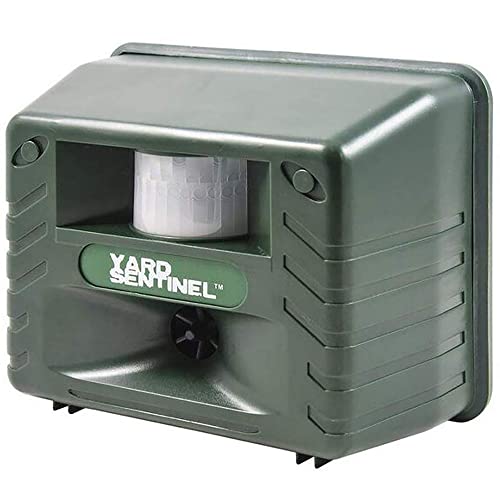
- Ultrasonic animal repeller for possums outdoor yard
- Hardware cloth fencing kit 1/4 inch mesh to block possums garden


Before You Start
Before any intervention, verify local wildlife regulations and humane guidelines. Never handle a possum with bare hands and wear gloves when dealing with traps or bait. Outline a plan for the yard: identify attractants, secure trash, and decide on deterrents. Time estimates will vary, but most deterrence projects take several hours to complete over a weekend, including setup and testing.
Key cautions include avoiding poisons and chasing animals into neighboring areas, which can cause harm to pets and other wildlife. Ensure children and pets are kept away from traps and deterrents during setup and testing. Safety first means planning the sequence, securing exits, and having a clear stop point if the animal shows signs of distress.
Step-By-Step: How To Get Rid Of A Possum In Your Yard
- Survey the yard at dawn or dusk to locate active trails and den sites, noting where the possum feeds.
- Remove attractants such as open trash cans, uncovered compost, and pet food left outdoors.
- Set up a humane possum live trap in a quiet, covered area near activity, following the manufacturer’s instructions.
- Place deterrents along pathways, using an ultrasonic animal repeller for possums to create an offshore auditory boundary.
- Install hardware cloth fencing kit 1/4 inch mesh around garden beds or vulnerable zones, burying the edge to prevent digging.
- Monitor the trap at least twice daily; check traps gently and relocate if a possum is captured, following local regulations for humane relocation.
- Once the area is secure, test deterrents for coverage and adjust heights and angles to ensure effectiveness.
- Maintain a routine cleaning schedule to prevent new attractants from forming, such as promptly clearing fallen fruit.
Troubleshooting
| Symptom | Likely Cause | Fix | Prevention |
|---|---|---|---|
| Possum returns after removal | New attractants attract again | Eliminate attractants and reinforce deterrents | Regular maintenance schedule |
| Trap misses or is not triggering | Incorrect trap placement or improper bait | reposition trap along active trails; use appropriate bait | Observe patterns before setting |
| Ultrasonic device inaudible or ignored | Device range insufficient or coverage gaps | Reposition and increase placement coverage | Complement with physical barriers |
| Fence damage from digging | Mesh size too large or poor installation | Repair with 1/4 inch mesh, bury edges | Regular checks after heavy weather |
Common Mistakes
- Using poisons or lethal traps that can harm pets or wildlife
- Neglecting to remove attractants around the perimeter
- Relying solely on one method without combining deterrents
- Ignoring local wildlife laws or safety guidelines
Tips For Best Results
- Coordinate deterrents to cover entry routes from multiple angles for better effectiveness
- Keep trash secured in sturdy, lidded containers to reduce scavenging opportunities
- Schedule preventive checks seasonally, as possums adapt to changing conditions
- Combine humane live traps with physical barriers for a layered defense
- Document patterns — noting times and locations of activity helps plan future prevention
Call A Professional
Choose a professional if:
- The possum shows signs of illness, injury, or aggression toward people or pets
- The animal is inside the attic, walls, or hard-to-reach spaces
<li Local laws require relocation or specialized trapping procedures
Consult a licensed wildlife control professional for safe removal and humane relocation, especially if multiple animals are present or access points are difficult to seal.
FAQ
Is it legal to trap a possum in my yard?
Legality varies by state and local ordinances. Check your city or county regulations before using a live trap or relocating wildlife.
What bait should I use for a possum trap?
Recommended baits include fruit, peanut butter, or marshmallows placed inside the trap per manufacturer instructions.
Will an ultrasonic repeller work for possums?
Ultrasonic devices can help deter, but effectiveness improves when used with barriers and attractant control.
How long does it take for deterrents to work?
Results vary; expect several days to a few weeks of consistent use and periodic adjustment for best results.
Can I DIY seal a possum entry point?
Yes, using hardware cloth and careful sealing around foundations and crawl spaces can reduce entry points.
What should I do if a possum is in the yard at night?
Maintain distance and give it space; if it remains in a sensitive area or causes damage, consider humane removal options.
Buying Guide
Choosing the right tools and strategies for possum management involves several factors. Consider size and layout of the yard, typical possum activity patterns, and compatibility with local wildlife rules. A combination approach often yields the best results: humane live traps for targeted removal, deterrents to reduce visits, and sturdy fencing to block entry. Evaluate the following factors to make an informed decision.
- Size and layout: Larger yards may require multiple deterrents and longer fencing runs; smaller spaces benefit from integrated barriers and targeted traps.
- Noise level: Ultrasonic devices are generally unobtrusive to humans but may disturb pets; verify device specifications and placement options.
- Energy efficiency: Battery-powered devices should have long life and simple replacement parts; solar options can reduce maintenance.
- Controls: Look for user-friendly interfaces, clear instructions, and reliable sensors or timers that fit your routine.
- Placement: Position deterrents at known entry points and along active runways; ensure proper coverage and minimize false triggers.
- Durability: Choose weatherproof housings and materials designed to withstand outdoor conditions.
- Compatibility with existing barriers: Hardware cloth or fencing should connect securely with existing structures to prevent gaps.
- Local regulations: Confirm that chosen methods comply with state and local wildlife rules to avoid penalties or issues with wildlife agencies.
If in doubt, start with non-invasive deterrents and gradually add barriers. The goal is to reduce attractants, block access, and create a yard that is less appealing to possums. A layered approach—combining traps for humane removal, ultrasonic deterrents, and sturdy fencing—tends to produce durable results. Are you ready to implement a practical plan that protects your yard while respecting local wildlife?
Leave a Reply