Natural Ways to Get Rid of a Mouse
Dealing with a mouse problem can be stressful, but a combination of proactive prevention and humane solutions works best. This guide focuses on natural strategies that minimize harm to pets and people while effectively reducing mouse activity in American homes.
Readers will learn practical steps, recommended products, and when to seek professional help. The goal is a cleaner, safer home without relying solely on chemical pesticides.
Quick Answer
Start with prevention—seal entry points, keep food in sealed containers, and reduce clutter. Combine humane capture options with non-chemical repellents and routine cleaning. If activity persists or there are signs of infestation, escalate with traps and professional help.
What You’ll Need
- Steel snap mouse traps set of 4 with rust-resistant coating
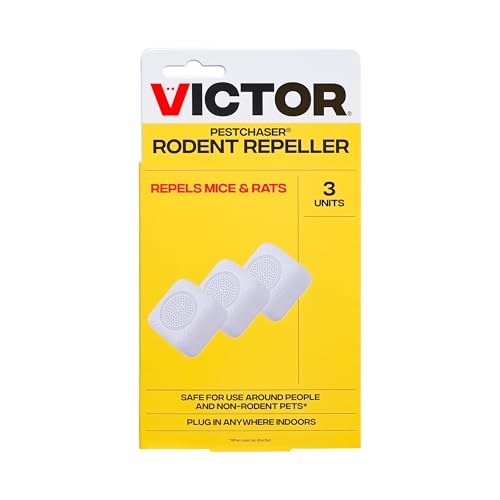
- Ultrasonic mouse repeller plug-in indoor 3-pack
- Live catch mouse trap humane cage with quick-release door
- Sealable containers for food storage
- Caulk, steel wool, and weather-stripping for entry-point sealing
- Bait and attractants suitable for humane traps (optional)


Before You Start
Assess active areas: kitchens, pantries, basements, and garages are common hotspots. Prepare by decluttering, wiping down countertops, and removing pet food sources. Safety note: keep traps away from children and pets, following manufacturer instructions. Estimate time: plan a weekend for setup, monitoring, and adjustments.
Step-By-Step: How To Get Rid Of A Mouse Naturally
- Identify hotspots by tracing droppings and gnaw marks, then map potential entry points.
- Seal obvious entry points using steel wool and caulk; apply weather-stripping to doors and windows as needed.
- Set humane live catch cages in areas with frequent activity; check traps every few hours for captures.
- Place steel snap traps in high-traffic corridors, ensuring correct orientation and safety for pets.
- Position ultrasonic repellers in multiple rooms to create a continuous deterrent while the population adjusts.
- Clean regularly and store food in airtight containers to reduce attractants and encourage mice to move away.
- Monitor all devices daily; remove captured mice promptly and relocate (where legal) or dispose of traps humanely.
- Repeat sealing and monitoring cycles weekly to break the mice’ nesting and foraging patterns.
- Consider professional inspection if activity persists after 2–3 weeks or if there are signs of a larger infestation.
- Maintain long-term prevention: routine sanitation, annual checks of entry points, and periodic trap re-evaluation.
- Replace or reposition devices if activity shifts areas or decreases, ensuring continued coverage.
- Document progress and adjust strategies, keeping safety and humane practices at the forefront.
Troubleshooting
| Symptom | Likely Cause | Fix | Prevention |
|---|---|---|---|
| Few droppings but continuous activity | Hidden nest or access point | Re-inspect walls, ceilings, and entry points; seal leaks | Regular maintenance of sealing and cleanup |
| Traps repeatedly empty or ignored | Food incentives not aligned with trap type | Adjust bait, switch trap placement, try repellents | Keep areas uncluttered and remove excess attractants |
| Ultrasonic units seem ineffective | Multiple species or large area | Increase coverage by adding more units or relocate for optimal range | Use in combination with physical barriers |
| Live traps not catching | Trap design not suitable for current mice | Try a different humane cage design with clearer exit routes | Limit hiding spots near traps |
| Infestation returns after relocation | Re-entry via overlooked openings | Extensive sealing of all possible gaps | Ongoing monitoring and quick repairs |
Common Mistakes
- Relying on a single method; effective control requires a combination of prevention, capture, and deterrence
- Using poison near pets or children or in areas accessible to non-target animals
- Neglecting to seal entry points after clearing an initial problem
- Ignoring routine cleaning and food storage practices that attract mice
- Failing to monitor traps regularly, leading to missed captures or dead-end situations
Tips For Best Results
- Place traps perpendicular to walls where mice travel, with triggers facing the wall for best contact
- Position ultrasonic units in rooms with limited line-of-sight to walls for better effectiveness
- Use a scent-free trap setup; raw bait can attract more pests if not monitored
- Rotate trap locations weekly to prevent mice from avoiding familiar devices
- Maintain a clean, dry environment; moisture and clutter encourage harboring
Call A Professional
Consult a pest management professional if signs of a large infestation appear or if there is persistent activity after several weeks. Stop-and-go activity, damage to walls, or gnawing through wiring are strong indicators for expert intervention.
FAQ
What is the most humane way to deter mice indoors?
Combine sealing, humane live traps, and non-chemical deterrents to encourage mice to relocate without harm.
How do ultrasonic repellers work, and are they effective?
Ultrasonic devices emit high-frequency sounds that disturb mice; effectiveness varies with room layout and placement, so use as part of a broader strategy.
Can I reuse traps once a mouse is caught?
Live capture cages can be reset after releasing the animal in a suitable location; snap traps should be replaced after use for hygiene reasons.
When should I contact a pest professional?
If there are numerous droppings, damage to structures, or recurrent activity despite multiple interventions, seek professional help.
Buying Guide
Choosing the right approach involves balancing effectiveness, safety, and practicality. Consider size and layout of the space, noise tolerance, and the presence of children or pets when selecting devices. The following factors help guide purchases and ensure a comprehensive plan.
Size and Space
For compact kitchens and small rooms, compact traps and plug-in devices can cover multiple spaces. Larger homes may require more units and additional live traps to monitor activity effectively.
Noise Level
Ultrasonic devices are typically quiet to humans but may be noticeable. Snap traps are silent but should be placed away from living areas to avoid accidental contact.
Energy Efficiency
Plug-in repellents consume minimal electricity and can run continuously. If you have a low-energy setup, prioritize devices with automatic on/off or energy-saving modes.
Controls and Usability
Look for easy-to-use traps with clear safety features and straightforward reset mechanisms. Live traps should have quick-release doors for humane handling.
Placement and Coverage
Plan a grid-like layout along walls, near known activity, and across access points. Regularly check and reposition devices to maintain effective coverage.
Product Mix Perspective
Using the steel snap mouse traps set of 4 with rust-resistant coating, ultrasonic mouse repeller plug-in indoor 3-pack, and live catch mouse trap humane cage with quick-release door together offers a balanced, humane, and practical toolkit for most homes. This combination supports immediate capture, deterrence, and long-term prevention while minimizing risk to pets and people.
Leave a Reply