How to Get a Clean Shave in the Bikini Area
Achieving a smooth, comfortable shave in the bikini area involves selecting the right tools, preparing the skin, and using proper technique. This guide focuses on practical steps and reliable tools that work well for American users seeking a clean, low-irritation result.
The process benefits from a careful routine and quality equipment designed for sensitive areas. By following the methods below, you can minimize nicks, razor burn, and ingrown hairs while maintaining personal comfort and skin health.
Quick Answer
Use a dedicated bikini area trimmer or a safety razor designed for sensitive zones, paired with a moisturizing cream or gel. Prepare the skin with warm water, trim longer hairs first, then shave with the grain and finish with a soothing aftercare product.
What You’ll Need
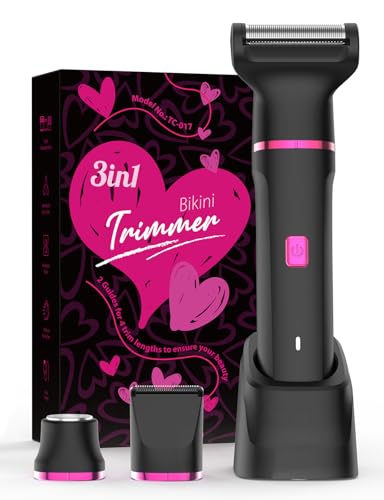
- bikini area trimmer waterproof stainless steel
- electric pubic hair trimmer for men women adjustable guard
- safety razor for sensitive bikini area stainless steel double-edge
- gentle shaving gel or cream
- alcohol-free aftershave balm or unscented moisturizer


Before You Start
Prep the skin with warm water or a warm shower to soften hairs and open pores. Exfoliate the area gently to prevent ingrown hairs. Use light pressure and short, controlled strokes. Avoid applying alcohol-based products that can dry the skin. If you have sensitive skin or a history of razor burn, test a small patch first and proceed slowly.
Time estimate: 10–20 minutes for a full bikini-area shave. Start with longer hairs trimmed, then move to shaving. Stay mindful of curves and skin folds to prevent cuts.
Step-By-Step: How To Get A Clean Shave In The Bikini Area
- Wash the area with warm water and a mild cleanser to remove oils and dirt before trimming.
- Use a bikini area trimmer waterproof stainless steel to shorten long hairs to a manageable length.
- Rinse and dry the skin; apply a thin layer of gentle shaving gel or cream for lubrication.
- Choose a blade that suits your sensitivity: a safety razor for sensitive bikini area stainless steel double-edge provides close yet gentle results for many users.
- Begin shaving with the grain direction to reduce irritation, especially on curves and along the bikini line.
- Rinse the blade frequently to avoid clogging and uneven passes.
- For difficult areas or longer hairs, switch to the electric pubic hair trimmer for men women adjustable guard to finish up with precise lines.
- After shaving, rinse, pat dry, and apply an alcohol-free aftershave balm or unscented moisturizer.
- Use a cool compress for 1–2 minutes if irritation occurs, and avoid tight clothing for a few hours after shaving.
- Keep the regimen consistent but gentle to minimize skin sensitivity and recurring irritation.
- Store tools clean and dry to prevent bacteria buildup and rust on stainless steel blades.
- Develop a routine that suits your skin’s response, adjusting hair length and blade type as needed.
Troubleshooting
| Symptom | Likely Cause | Fix | Prevention |
|---|---|---|---|
| Razor burn | Too much pressure or dull blade | Replace blade and use light pressure | Shave with lubrication and a sharp blade |
| Ingrown hairs | Hairs curling back into skin | Exfoliate regularly; shave with the grain | Trim hairs shorter before shaving |
| Itching after shave | Dry skin or fragrance irritants | Use fragrance-free moisturizer | Choose alcohol-free products |
| Nicks or cuts | Unsafe technique around curves | Slow, short strokes; adjust angle | Practice in a clean, well-lit area |
| Redness that lasts | Over-exfoliation or sensitive skin | Pause shaving for a day; apply soothing balm | Test products on a small area first |
Common Mistakes
- Shaving dry skin without lubrication
- Using a dull blade or old razor repeatedly
- Shaving against the grain on sensitive zones
- Excessive passes over the same area
- Skipping post-shave moisturizing
Tips For Best Results
- Trim first: shorter hairs are easier to shave evenly and cause less tugging.
- Hydration helps blades glide; always use a good lubricant like gel or foam.
- Keep blades clean and dry between uses to prevent rust or buildup.
- Match tool choice to skin sensitivity: choose stainless steel safety razors for a closer yet gentle finish, or an adjustable trimmer for precision on edges.
- Aftercare matters: apply a calming, fragrance-free product to minimize irritation.
Call A Professional
Consider a professional if you experience persistent irritation, unusual rashes, or if you have a medical condition that affects skin healing, such as eczema or dermatitis. Seek medical advice if irritation lasts more than a couple of days or is accompanied by pus, fever, or severe pain.
FAQ
What blade type is best for sensitive bikini skin?
Many users prefer a stainless steel safety razor or a sharp disposable blade with light pressure to minimize irritation.
How often should I shave this area?
Frequency depends on hair growth and skin sensitivity; many shave every 1–3 days as needed.
Can I use wax or laser instead of shaving?
Yes, but these methods come with different risks and results; consider skin sensitivity and downtime when choosing.
Is it normal to feel stubble after shaving?
Yes, especially if you have coarser hairs; a light pass with a trimmer can tidy edges without irritation.
Should I shave after exfoliating?
Yes, exfoliating helps prevent ingrown hairs and prepares the skin for a smoother shave.
What about aftercare products?
Choose an alcohol-free, fragrance-free moisturizer or balm to reduce irritation and hydrate the skin.
Buying Guide
When selecting tools for the bikini area, consider size, noise level, energy efficiency, controls, and placement. For trims, a waterproof bikini area trimmer with stainless steel construction offers durability and corrosion resistance. If you prefer a razor, a stainless steel safety razor with a double-edge blade provides a balanced combination of closeness and control. Look for models with adjustable guards or settings to tailor hair length and reduce contact with sensitive skin.
Noise level matters for comfort, especially in private spaces; quiet devices are less disruptive and more discreet. Energy efficiency is less critical for manual tools but relevant for electric trimmers, which should have a long-lasting battery and quick-charging options. Controls should be intuitive, enabling easy adjustments to guard length or blade exposure. Placement considerations include a dry, clean storage area away from moisture and children. Finally, ensure replacements or consumables (blades or guards) are readily available from reputable sellers to maintain hygiene and performance.
Leave a Reply