How to Deep Clean Your Scalp for Healthier Hair
Keeping the scalp clean is essential for healthy hair growth and comfort. A deep clean helps remove buildup from styling products, oils, and natural dead skin cells. This guide walks American readers through a practical, step-by-step approach using common scalp care tools and products.
Regular scalp cleansing supports circulation, reduces itchiness, and prepares hair for better shampooing and conditioning results. The methods described here emphasize safety, effectiveness, and accessibility, so readers can achieve a refreshed scalp without overdoing cleansing or irritating the skin.
Quick Answer
What to use: A silicone scalp scrubber or silicone shampoo brush paired with a clarifying shampoo containing salicylic acid helps lift buildup. Massage with a scalp massager brush to boost circulation and distribute cleansing agents evenly. Limit deep scrubs to 1–2 times per week to avoid irritation.
What You’ll Need
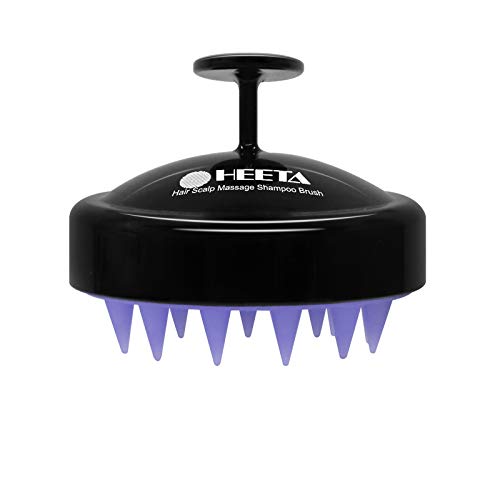
- Silicone scalp scrubber exfoliating brush for deep cleaning and clarifying shampoo
- Clarifying shampoo for scalp buildup salicylic acid 16 oz
- Scalp massager brush silicone shampoo brush for deep cleansing and circulation


Before You Start
Before beginning, check for any scalp conditions (eczema, psoriasis, or open lesions) that might require medical advice. Use lukewarm water to avoid drying the scalp. Test new products on a small skin patch to ensure compatibility. Time estimate: 15–30 minutes per session, including drying time. Avoid harsh scrubs or excessive rubbing that can irritate the skin.
Step-By-Step: How To Deep Clean Your Scalp
- Wet hair thoroughly with lukewarm water to loosen oil and debris.
- Apply a small amount of clarifying shampoo directly to the scalp, not the ends of the hair.
- Use the silicone scalp scrubber exfoliating brush to massage in slow, circular motions along the scalp, filtering out buildup without vigorous scrubbing.
- Rinse the shampoo from the scalp completely, focusing on areas with the most buildup.
- Reapply a light layer of clarifying shampoo if needed and repeat a gentle scalp massage to lift stubborn residue.
- Rinse thoroughly and apply a conditioner to mid-lengths and ends, avoiding the scalp to prevent residue buildup.
- For enhanced stimulation, use the scalp massager brush to distribute moisture and promote circulation during the rinse.
- Pat hair dry with a microfiber towel or allow to air dry. Avoid rubbing with a regular towel to reduce frizz and breakage.
- Resume regular washing schedule, alternating with a gentle, daily shampoo to maintain scalp balance.
- Monitor scalp feel in the days after cleansing; if irritation occurs, reduce frequency or switch products.
Troubleshooting
| Symptom | Likely Cause | Fix | Prevention |
|---|---|---|---|
| Itching after deep clean | Over-cleansing or sensitivity to ingredients | Switch to gentler formula; reduce frequency | Patch-test new products; hydrate scalp with conditioner |
| Flaky scalp persists | Heavy product buildup or dry skin | Double cleanse with clarifying shampoo; consider humectant conditioner | Balance washing routine; avoid harsh scrubs on sensitive days |
| Razor-like scalp sensation | Excessive scrubbing | Gentle massage; shorten scrub sessions | Choose softer brush settings; limit sessions to 1–2 times weekly |
| Hair feels stripped after wash | Over-cleansing or too strong a formula | Rinse thoroughly; switch to milder clarifying shampoo | Follow with light conditioner on scalp if needed |
Common Mistakes
- Using clarifying shampoo every day; it can strip natural oils and irritate the scalp.
- Scrubbing too hard with the scalp brush, leading to micro-tears or redness.
- Applying conditioner directly to the scalp, which can create buildup and itchiness.
- Neglecting to rinse thoroughly, leaving residue that weighs hair down.
Avoid these missteps to maintain a balanced scalp and healthy hair sheen.
Tips For Best Results
- Schedule deep cleansing sessions 1–2 times per week, then switch to a milder routine on non-cleaning days.
- Warm water helps open hair follicles, but avoid hot water which can strip moisture.
- Rinse with cool water at the end to close cuticles and add shine.
- Rotate scalp care products to minimize sensitivity; look for soothing ingredients like aloe or tea tree in moderation.
- Keep brushes clean; rinse after use and allow them to dry completely to prevent bacteria growth.
Call A Professional
Seek professional advice if the scalp remains inflamed, intensely itchy, or if there is significant hair shedding beyond typical cycles. Persistent redness, sores, or signs of infection require a dermatologist’s evaluation.
FAQ
How often should I deep clean my scalp?
Most people benefit from a deep clean 1–2 times per week, then a lighter cleanse on other days. Adjust based on scalp oiliness, product use, and personal comfort.
Can I use a silicone scalp scrubber with any shampoo?
Yes, but choose a scalp-friendly formula. If using a clarifying shampoo, ensure it’s compatible with your hair type to minimize dryness.
Will a scalp massager brush cause hair breakage?
When used gently and on damp hair, it should not cause breakage. Avoid aggressive rubbing and use with a soft touch.
What ingredients should I look for in a clarifying shampoo?
Salicylic acid is common for buildup removal; glycerin or panthenol can help counteract dryness. Avoid products with harsh sulfates if your scalp is sensitive.
Is this method suitable for dyed hair?
Yes, but limit exposure to cleansing sessions to protect color. Use color-safe formulas and deep condition after clarifying steps.
Can I skip the brush and still deep clean effectively?
Brushing aids buildup removal and circulation, but a clarifying shampoo used with gentle massage can still be effective without a brush.
Buying Guide
When choosing tools and products for scalp deep cleaning, consider several factors to ensure a good fit for your needs.
Size and fit: Scalp brushes should cover the crown area without being oversized. Look for ergonomically designed handles for a comfortable grip.
Noise level: Some scalp massagers are motorized; if you prefer quiet operation, choose non-motorized silicone brushes or those with soft vibration settings.
Energy efficiency: Manual tools consume no power, making them a simple and environmentally friendly option. If you choose a powered massager, check battery life and charging time.
Controls: For ease, select brushes with simple, accessible grips and a non-slip silicone surface. Replaceable heads can extend usability.
Placement: Store tools in a clean, dry area away from moisture to prevent mold or bacteria growth. A dedicated shower caddy helps keep items organized.
For many users, combining a silicone scalp scrubber with a clarifying shampoo that contains salicylic acid offers a balanced approach to scalp cleansing while maintaining hair health. Consider your scalp sensitivity, hair type, and frequency of styling product use to tailor the routine. If uncertain, start with gentler options and gradually introduce deeper cleansing steps to monitor response. Always follow label directions and adjust based on how your scalp feels after cleansing.
Leave a Reply