How to Deep Clean a Coffee Maker for Best Tasting Brew
Regular maintenance is essential to keep coffee flavors bright and machines running smoothly. A thorough deep clean removes mineral buildup, coffee oils, and residues that affect taste and performance. This guide walks through a practical, step-by-step process that works with common cleaning products and everyday gear.
Quick Answer
To deep clean your coffee maker, use a descaling solution or cleaning tablets to remove mineral deposits, run a clean water cycle, scrub the carafe and removable parts, then rinse with several fresh water cycles. Finish with a quick taste test and a final rinse to prevent flavors from lingering.
What You’ll Need
- Coffee maker descaler liquid 12 oz or a recommended equivalent descaler
- Coffee maker cleaning tablets 12 count for a tablet-based cleaning option
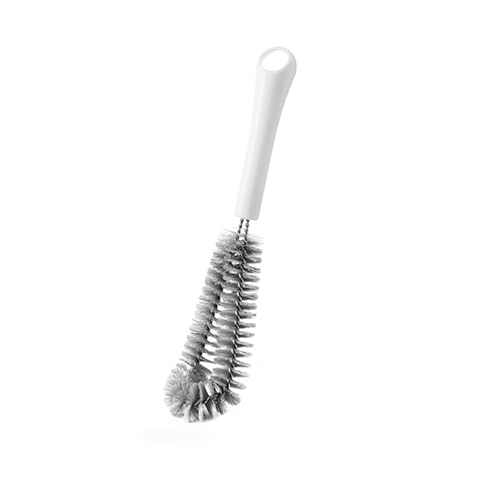
- Coffee maker cleaning brush with scrubber for stubborn grime
- Soft cloths or sponge for wiping
- Measuring cup for water and solutions
- Access to clean, cold water


Before You Start
Read your coffee maker’s manual for any model-specific instructions, especially regarding descalers and tablet usage. Always unplug the machine before disassembling parts and allow the device to cool if it has been recently used. Clear the area around the coffee maker to prevent spills on electronics or countertops. The process typically takes 30–60 minutes, depending on the model and the level of buildup.
Safety note: If you notice mold, unusual odors, or persistent clogs, stop the process and seek guidance. Use descalers strictly as directed by the product label and manufacturer recommendations.
Step-By-Step: How To Deep Clean A Coffee Maker
- unplug and remove removable parts, including the carafe, filter basket, and any rinsable components. Rinse them under warm water to loosen loose coffee oils.
- Prepare a cleaning solution using coffee maker descaler liquid or a tablet-based cleaner according to the package directions. If using descaler liquid, mix with the recommended water-to-solution ratio in the carafe or measuring cup.
- Fill the reservoir with the cleaning solution and run a complete brewing cycle without coffee grounds. Stop the cycle as soon as it finishes, and let the solution sit in the brew group for 15–20 minutes to loosen mineral deposits.
- Run a second clean cycle with just clean water to flush out the descaling solution. Repeat 2–3 times until the reservoir is empty and the water runs clear.
- While the machine is soaking, use the coffee maker cleaning brush with scrubber to scrub the carafe, lid, and any filters or grinder areas. Rinse thoroughly after scrubbing.
- Wash the removable parts in warm, soapy water, then rinse and air-dry completely before reassembly. If your model has a glass carafe, handle with care to avoid cracks.
- Reassemble the machine and perform a final few water-only cycles to remove any lingering taste from cleaning agents. Consider discarding the first two brewed cups as a precaution.
- Wipe the exterior with a damp cloth and inspect the seals or gaskets for cleanliness and wear. Replace any worn parts per the manufacturer’s guidance.
Troubleshooting
| Symptom | Likely Cause | Fix | Prevention |
|---|---|---|---|
| Weak brew after cleaning | Residue left in lines | Run extra water-only cycles | Regular maintenance schedule |
| Unpleasant taste persists | Underdosed cleaning or lingering cleaner | Increase rinse cycles; use fresh water | Rinse until aroma is neutral |
| Coffee maker stops mid-cycle | Overheating or scale buildup in heater | Descale with recommended solution; check if model requires periodic deep clean | Keep routine descaling intervals |
| Carafe shows staining | Oil and mineral deposits | Scrub with cleaning brush; rewash with detergent if needed | Regular cleaning after each use |
Common Mistakes
- Using dish soap or abrasive cleaners on metal parts
- Skipping the final rinse cycles after cleaning solutions
- Pouring hot liquid directly into the carafe to scrub quickly
- Not drying removable parts, which can promote mold growth
Proper technique and patience reduce the chance of residual flavors or odors returning between brews.
Tips For Best Results
- Schedule a monthly deep clean for hard-water areas to prevent mineral buildup.
- Alternate between descaler liquid and tablet-based cleaners if both are recommended for your model.
- Use filtered water to minimize mineral deposits from affecting flavor and extends the life of internal components.
- Label and track your cleaning schedule to maintain consistency.
- Always run a couple of plain water cycles after any cleaning to ensure the taste remains clean.
Call A Professional
Consider contacting a professional if you notice persistent leaks, cracks in the carafe, persistent electrical issues, or if the cleaning process does not restore proper brewing performance after multiple descales. Stop using the machine if you detect unusual electrical smells, sparking, or overheating. These signs indicate a more serious hardware issue that requires expert assessment.
FAQ
What is the best way to descale a coffee maker?
Follow the product label for your descaler, run a full brewing cycle with the solution, then flush with several cycles of clean water to remove any trace of cleaner.
Can I use vinegar to descale my coffee maker?
Some models tolerate vinegar, but always check the manufacturer’s guidelines; when in doubt, use the recommended descaler or tablets.
How often should I deep clean my coffee maker?
In areas with hard water, aim for a deep clean every 1–3 months; in softer water areas, every 2–4 months is typically sufficient.
Is it necessary to scrub the carafe and lid during cleaning?
Yes. Scrubbing helps remove oils and residues that affect flavor, especially around the lid and seal areas.
What should I do if the taste remains after cleaning?
Perform additional rinse cycles with fresh water and consider using a cold-water rinse or swapping to a different cleaner if permitted by the model.
Should I clean the coffee maker every time I use it?
A quick rinse and weekly wipe-down can prevent buildup, while a full deep clean should be done periodically based on usage and water hardness.
How long does a full deep clean typically take?
Most sessions take 30–60 minutes, depending on model and buildup level.
Buying Guide
Choosing the right cleaning regimen hinges on several factors. Consider the machine’s size, the water hardness in your area, and how the device’s design affects cleaning access. For descalers, verify compatibility with your coffee maker model and whether tablet- or liquid-based cleaners are recommended. Noise level and energy use aren’t usually altered by cleaning, but a well-maintained machine typically brews more efficiently. Controls, ease of disassembly, and accessibility of parts influence how simple it is to perform a deep clean. Finally, placement matters: a stable surface, away from heat and moisture, helps protect electronics and prolongs the life of seals and gaskets. If you share your model details, more targeted product suggestions can be offered.
Leave a Reply