How to Deep Clean a Pan
Deep cleaning a pan restores its shine, extends its life, and keeps cooking flavors authentic. Whether you’re tackling a stubborn crust on a stainless steel pot or restoring a nonstick pan, a systematic approach removes baked-on residue without damaging the surface.
Quick Answer
Soak with warm water and dish soap, scrub with the right tool, rinse, and dry. For stubborn grime, use a gentle paste of baking soda and water, then scrub again. Always match the scrubber to the pan finish to prevent scratches.
What You’ll Need
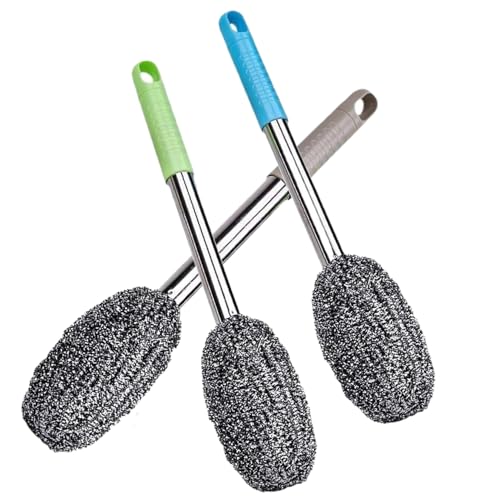
- stainless steel pot scrub brush with long handle for stainless surfaces
- non-scratch nylon pot scrubber with ergonomic handle for nonstick or coated pans
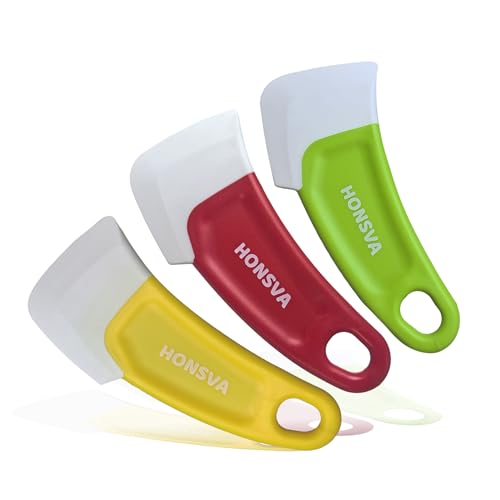
- silicone pan scraper and spatula for cleaning nonstick pans to lift and fold residue

Before You Start
Clear the sink and workspace, then remove loose food scraps. Use warm water rather than hot to avoid warping or warping certain coatings. Soak pans with stubborn residue for 15–30 minutes before scrubbing. Safety note: avoid metal scrapers on nonstick coatings to prevent scratches, and never mix bleach with ammonia-based cleaners.
Time estimate: 15–30 minutes for typical pans; 45–60 minutes for heavily baked-on residue.
Step-By-Step: How To Deep Clean A Pan
- Rinse the pan with warm water to loosen loose food and grease.
- Fill with warm, soapy water and let it soak for 10–15 minutes; extend to 30 minutes for stubborn grime.
- Choose the appropriate scrubber: use the stainless steel pot scrub brush with long handle for metal pans, or the non-scratch nylon scrubber for coated surfaces.
- Scrub in gentle, circular motions, focusing on baked-on edges and corners while avoiding aggressive scrubbing on nonstick coatings.
- For stubborn spots, make a paste with baking soda and water; apply, let sit 5–10 minutes, then scrub again.
- Rinse thoroughly with warm water, ensuring all soap residue is removed.
- Inspect the surface: if any residue remains, repeat the soaking and scrubbing steps.
- Dry the pan completely with a soft towel to prevent water spots or rust on metal pans.
- Store with lids off or ajar to prevent moisture buildup and odors.
- For nonstick pans, wipe with a dry cloth after washing and recondition with a bit of oil if manufacturer directions permit.
- Occasionally polish stainless steel pans with a dedicated stainless cleaner to maintain shine and remove discoloration.
- Dispose of any damaged or deeply pitted pans if cleaning does not restore performance.
Troubleshooting
| Symptom | Likely Cause | Fix | Prevention |
|---|---|---|---|
| Stubborn crust remains after soaking | Residue baked on; insufficient soaking | Extend soak time; retry with baking soda paste | Soak promptly after cooking; avoid overcooking on high heat |
| Scratches on nonstick coating | Using abrasive scrubber | Switch to non-scratch nylon scrubber; avoid metal tools | Follow manufacturer care guidelines |
| Discoloration on stainless steel | Hard water minerals or heat exposure | Use a stainless steel cleaner or lemon juice paste | Dry promptly; avoid overheating empty pans |
| Rusted spots | Metal pans with exposed edges | Lightly sand and re-season if applicable; replace if pitting is widespread | Dry thoroughly; store in a dry area |
Common Mistakes To Avoid
- Using metal scrubbers on nonstick coatings, which can scratch the surface.
- Soaking nonstick pans for extended periods beyond manufacturer guidance.
- Applying high heat after cleaning, which may warp pans or degrade finishes.
- Letting residues sit in the sink; always rinse thoroughly to prevent odors.
Tip: For routine maintenance, clean pans soon after cooking to minimize heavy scrubbing sessions.
Tips For Best Results
- Use warm water and a gentle detergent to loosen fats and oils before scrubbing.
- Alternate scrubbers based on pan type to preserve coatings and finishes.
- Dry completely and store upright to prevent moisture buildup and odors.
- Consider a bakeware-safe cleaner for stubborn carbonized residue on steel or cast iron where appropriate.
Call A Professional
Consider contacting a professional if pans have severe warping, deep pitting, or persistent discoloration that affects cooking performance. Seek expert advice if a pan’s coating appears chipped or if corrosion is evident around rivets or handles.
FAQ
Can I use bleach to clean pans?
Bleach is not recommended for routine pan cleaning and can damage finishes or react with metals. Use mild detergents and baking soda as alternatives when appropriate.
Is it safe to put pans in the dishwasher?
Many nonstick pans are dishwasher safe, but repeated dishwasher use can shorten coating life. Follow manufacturer guidelines.
How often should I deep clean cast iron or stainless steel pans?
Deep cleaning is typically needed when residue builds up, usually every few weeks to months depending on usage.
What if food residues keep sticking after cleaning?
Re-season or re-oil the pan if allowed by the coating, and ensure the pan is completely dry before storing.
Should I use oil after cleaning nonstick pans?
Only if the manufacturer recommends; otherwise, avoid conditioning nonstick surfaces unless specified.
Can baking soda harm my pans?
Baking soda is gentle and effective for baked-on grime, but test on delicate coatings first and avoid using it on uncoated aluminum in high concentrations.
Buying Guide
When choosing cleaning tools for pans, consider size, material, and coating compatibility. For stainless steel, a durable long-handle scrub brush helps reach deep containers. For nonstick pans, prioritize non-scratch nylon brushes and silicone scrapers to prevent coating damage. Look for ergonomic handles that reduce fatigue during larger cleaning sessions. Storage matters too: compact kits with secure tools minimize clutter. Consider multi-pack options to rotate tools between kitchen tasks. Finally, verify that cleaners and scrapers are labeled safe for your pan type and follow manufacturer care instructions.
Leave a Reply