How to Clean a Zojirushi Thermos
Keeping a Zojirushi thermos clean ensures beverages taste their best and the container lasts longer. This guide walks American users through a practical, step-by-step cleaning process using commonly available tools and gentle methods suitable for most Zojirushi models, including those with narrow mouths and insulated interiors.
Whether you’re restoring a stubborn odor or maintaining daily cleanliness, following a consistent routine helps prevent mineral buildup and flavor transfer. The tips below emphasize safe handling, effective cleaning, and simple maintenance that fits busy lifestyles.
Quick Answer
For most Zojirushi thermos bottles: rinse with warm water after use, wash with mild dish soap, scrub the interior with a suitable bottle brush, rinse thoroughly, and air-dry with the lid off. For stubborn stains or odors, pre-soak with a diluted vinegar solution and use a targeted cleaning brush designed for narrow mouths.
What You’ll Need
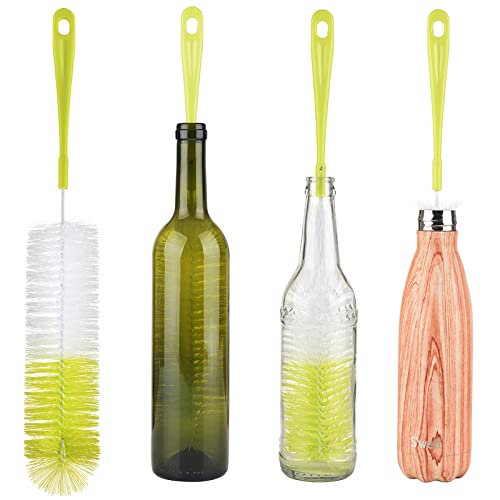
- Narrow mouth bottle brush for thermos — ideal for reaching tight interior corners
- Thermos cleaning brush stainless steel handle — extra stiffness for mineral deposits
- Insulated bottle cleaning kit set — includes brushes and sometimes odor-neutralizing agents
- Non-abrasive dish soap
- Warm water
- White vinegar or baking soda (for deep cleaning)
- Soft cloth or sponge


Before You Start
Before cleaning, check the Zojirushi model’s care instructions if available. Most parts are dishwasher safe, but some lids and seals may require hand washing. Use warm water and mild soap to avoid damaging internal coatings. Never use bleach or abrasive scrubbers that could scratch or corrode the interior. Spare yourself from boiling water on fragile parts; hot water can warp some lids. If you have persistent mold or odor, a longer soak may help but avoid prolonged exposure to harsh chemicals on seals.
Time estimates vary: a quick clean takes about 5–10 minutes; a deeper clean with soaking may require 15–30 minutes. Ensure all components are completely dry before reassembling to prevent odors and mold growth.
Step-By-Step: How To Clean A Zojirushi Thermos
- Disassemble all removable parts: remove the lid, stopper, gaskets, and any detachable seals to expose the interior cleanly.
- Rinse the container with warm water to loosen loose debris and pre-wet the interior before applying soap.
- Fill the bottle with warm water and add a few drops of non-abrasive dish soap; avoid overfilling to prevent spills.
- Use the narrow mouth bottle brush for thermos to scrub the interior walls, bottom, and hard-to-reach corners. Focus on the base where residue often collects.
- For stubborn stains, mix a paste of baking soda and water or pour a solution of 1:1 white vinegar to hot water, let it sit for 10–15 minutes, then scrub with the bottle brush.
- Rinse thoroughly with warm water until no soap remains. Be sure to flush the lid and cap components to remove any soap residue.
- Clean the lid and seals separately using a soft cloth or your thermos cleaning brush stainless steel handle to reach threads and gaskets. Rinse completely.
- Dry all parts with a clean towel, then air-dry the interior with the mouth facing downward. Reassemble once completely dry to prevent moisture transfer.
- For odor control, place a clean, dry lid on the bottle and store in a ventilated area with the lid slightly ajar to prevent musty smells.
- Perform regular weekly cleanings, and deeper clean every one to two weeks if the thermos sees daily use or hard water residue is common.
- If you notice persistent odors or mineral buildup after several cleanings, repeat the above steps and consider a dedicated odor-neutralizing rinse specifically designed for insulated bottles.
Troubleshooting
| Symptom | Likely Cause | Fix | Prevention |
|---|---|---|---|
| Remaining soap taste | Residue from improper rinsing | Rinse repeatedly with warm water; run several plain-water cycles | Rinse immediately after use; avoid leaving soapy water inside |
| Persistent odor | Mineral buildup or trapped bacteria | Soak with vinegar solution or baking soda; scrub interior | Dry completely after use; regular cleaning |
| Interior discoloration | Rust or mineral deposits | Use baking soda paste; avoid harsh abrasives | Dry thoroughly; brief soak for tough stains |
| Stiff lid threads | Soap residue or mineral buildup | Soak lid in warm soapy water; scrub threads gently | Rinse and dry after each cleaning |
Common Mistakes
- Using harsh abrasives or bleach on stainless interiors
- Leaving water sitting inside for extended periods
- Forgetting to clean seals and lids, which trap odors
- Cleaning with boiling water immediately after cool-downs on sensitive lids
Sticking to mild soap, careful brushing, and thorough drying helps maintain the thermos’ performance and taste over time.
Tips For Best Results
- Run a quick rinse after each use to prevent staining and odor buildup.
- Use the narrow mouth bottle brush for thermos for tight spots around the lid threads and gasket zones.
- Rotate between vinegar and baking soda approaches for deep cleaning without harsh chemicals.
- Store with the lid off or slightly ajar to improve air circulation and prevent mildew.
- Inspect seals regularly and replace worn gaskets to maintain leak-proof performance.
Call A Professional
If signs of mold, persistent odors, or malfunctioning lids persist despite thorough cleaning, contact a professional or the manufacturer’s service line. Stop using the thermos if you notice cracks, leaks, or compromised seals, as these can lead to contamination or burns from hot liquids.
FAQ
Can I put the Zojirushi thermos in the dishwasher?
Many Zojirushi components are dishwasher-safe, but check the model’s care guide. Hand washing is recommended for lids and seals to preserve gasket integrity.
How often should I clean my Zojirushi thermos?
Perform a quick rinse after each use and a full clean weekly or every two weeks, depending on usage and water hardness.
What if there is stubborn mineral buildup?
Try a baking soda paste or a vinegar soak, then scrub with the narrow mouth brush. Avoid abrasive tools that could scratch the interior.
Is it safe to use bleach for odors?
No. Bleach can damage seals and coatings. Use food-safe cleaning methods such as vinegar, baking soda, or specialized bottle cleaners.
Buying Guide
Choosing the right cleaning approach and accessories ensures the Zojirushi thermos stays in top condition. Consider factors like size, noise level during cleaning, energy considerations (hot-water prep isn’t required for cleaning), and placement for drying. When comparing tools, look for durable handles, BPA-free materials, and compatibility with narrow mouths. A dedicated insulated bottle cleaning kit set provides a comprehensive bundle for regular upkeep, while individual brushes tailored for thermos interiors offer targeted cleaning. Balance the budget with the frequency of use and the level of mineral deposits in your water supply.
Leave a Reply