How to Clean a Zinus Mattress
Keeping a Zinus mattress fresh involves a combination of regular maintenance and targeted spot cleaning. This guide walks American users through a practical, step-by-step approach to remove odors, stains, and dust, while extending the mattress’s life.
Whether you’re waking up with allergies or just want a cooler night’s sleep, a clean mattress supports better sleep quality. The methods below are designed to be effective yet gentle on most Zinus models. Always check your mattress care label if available before starting.
Quick Answer
Start with light deodorizing and vacuuming, then tackle stains with an enzymatic spray. For deeper refresh, use a handheld fabric steamer and a mattress-safe vacuum attachment. For stubborn spots, repeat and allow to dry completely before use.
What You’ll Need
- Upright vacuum cleaner with mattress attachment
- Handheld fabric steamer for mattress cleaning
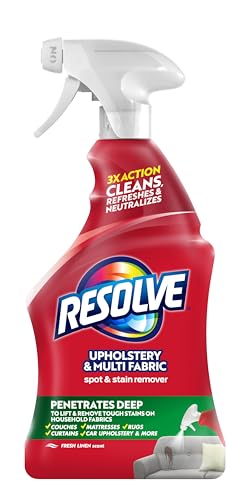
- Enzymatic stain remover spray for fabric mattresses


Before You Start
Prepare a clean, dry workspace. Remove bedding and sheets, then vacuum the entire surface to pick up dust and allergens. Avoid soaking the mattress; moisture can damage the interior padding and lead to odors or mold. If possible, perform cleaning on a dry, warm day so the mattress can air out quickly.
Time estimate: 30–60 minutes for a thorough refresh. If stains are present, allow additional drying time after treatment.
Step-By-Step: How To Clean A Zinus Mattress
- Strip the bed and transport linens to the wash. A fresh start makes the cleaning more effective.
- Dry vacuum the mattress with the mattress attachment to remove dust, skin cells, and hair from both sides.
- Spot check for stains and note areas that appear discolored or sticky.
- Apply enzymatic stain remover to targeted spots. Follow the product directions for application and dwell time.
- Blot, don’t scrub, using a clean, dry cloth to lift moisture and lift staining agents out of the fabric.
- Refresh with a steam treatment using the handheld fabric steamer at a safe distance to release wrinkles and kill surface bacteria. Let the surface dry as steam dissipates.
- Vacuum again to remove loosened particles after steaming and any residual cleaner.
- Air out the mattress by placing it in a sunny or well-ventilated area for several hours.
- Protect the surface after drying with a breathable cover or sheet to reduce future staining and moisture absorption.
- Reassemble bedding once the mattress is completely dry and ready for use.
- Schedule regular upkeep by vacuuming weekly and spot-cleaning as needed to maintain freshness.
- Perform periodic deep cleans every 3–6 months, depending on usage and occupancy.
Troubleshooting
| Symptom | Likely Cause | Fix | Prevention |
|---|---|---|---|
| Persistent odor after cleaning | Moisture trapped in padding | Dry thoroughly in a sunny area or use a dehumidifier | Keep bedding dry, address spills immediately |
| Stains reappearing | Insufficient dwell time or deep-set stain | Reapply enzymatic spray, allow full dwell, repeat as needed | Contain spills promptly, treat stains early |
| Fabric feels stiff after cleaning | Residual cleaner or over-wetting | Lightly steam and blot, ensure complete drying | Use minimal moisture and thorough drying |
| Scratches or fabric snagging | Abrasive cleaning tools | Switch to soft cloths and gentle strokes | Avoid abrasive brushes |
Common Mistakes
- Using too much water or soaking the mattress
- Scrubbing stains aggressively, which can spread them
- Skipping drying time, leading to mold growth
- Using household cleaners not approved for fabrics
Tips For Best Results
- Dust and vacuum regularly to reduce allergen buildup.
- Always test cleaners on a small, inconspicuous area first.
- Use a breathable mattress protector to guard against spills and stains.
- Rotate or flip the mattress if your model allows it, to promote even wear.
Call A Professional
Consider a pro if spills involve heavy, lasting stains or if there is persistent moisture, mold, or odors that do not improve after multiple cleanings. Seek professional cleaning services when you notice mildew, persistent dampness, or visible structural issues within the mattress core.
FAQ
Can I clean my Zinus mattress with soap and water?
Avoid using soap and water directly on the mattress; it can wet the padding and lead to odor or mold. Use spot-cleaning products designed for fabrics and a dry-to-moist approach.
Is it safe to use a steam cleaner on a mattress?
Yes, a handheld fabric steamer can refresh and sanitize the surface when used at a safe distance and with proper drying time.
How often should I clean my Zinus mattress?
Vacuum weekly and perform a light clean monthly, with a deeper cleaning every 3–6 months depending on use.
What about stains from pets or kids?
Enzymatic stain removers are effective for organic stains; follow the label and ensure complete drying to prevent odors.
Will cleaning affect comfort or firmness?
Cleaning should not alter firmness. Proper drying and airing help maintain the original feel.
Should I use a mattress protector after cleaning?
Yes, a breathable protector helps prevent future stains and moisture penetration.
Buying Guide
When choosing additional gear for maintaining a Zinus mattress, consider factors such as size, noise level, energy efficiency, controls, and placement. For cleaning, an upright vacuum cleaner with a mattress attachment provides thorough debris removal from surfaces and seams. A handheld fabric steamer offers a quick refresh without soaking. An enzymatic stain remover spray for fabric mattresses is useful for set-in stains. Keep in mind the mattress size and room layout to select tools that fit comfortably and reach all areas.
Finishing Tips
After deep cleaning, keep the mattress dry and aired, and re-cover with a breathable protector. Regular upkeep reduces the effort required for future cleanings and helps maintain comfort and freshness over time.
Leave a Reply