How to Clean Your Tricycle
Keeping a tricycle clean extends its life and improves safety on every ride. This guide walks through a practical cleaning routine that fits typical American households and weather conditions. Readers will learn step-by-step methods, the right tools, and common pitfalls to avoid, ensuring a spotless, well-maintained ride for kids and adults alike.
Quick Answer
Use a bicycle cleaning kit brush set and a soft bristle bicycle wash brush with a long handle to scrub surfaces, then apply a bike chain degreaser spray to the chain. Rinse with water, dry thoroughly, and lubricate the chain if needed. Keep brushes separate for drivetrain and frame to prevent grime transfer.
What You’ll Need
- bicycle cleaning kit brush set
- microfiber scrubbers
- soft bristle bicycle wash brush with long handle
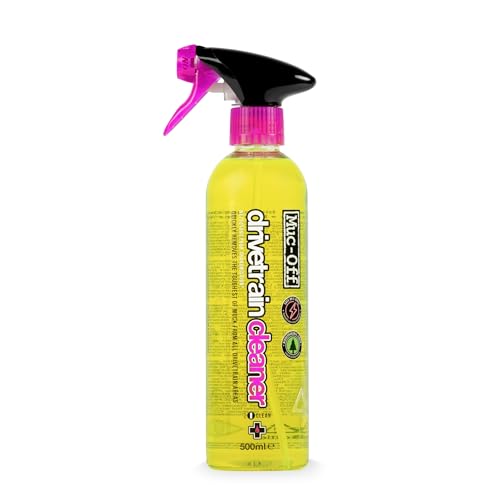
- bike chain degreaser spray 16oz


Before You Start
Prepare a shaded work area to prevent quick drying of soap and water. Remove loose dirt with a dry brush before washing. Protect bearings and bearings seals from direct spray, especially around hubs and pedals. Wear gloves and eye protection if you’re using degreaser. Allow time for the bike to dry completely to prevent rust.
Step-By-Step: How To Clean Your Tricycle
- Rinse the tricycle with low-pressure water to loosen surface dirt without forcing water into bearings.
- Use a soft bristle bicycle wash brush with a long handle to scrub the frame in sections, moving in consistent, gentle strokes.
- Dip microfiber scrubbers into a warm soapy solution and wipe down intricate areas such as joints, cranks, and wheel hubs.
- Apply the bike chain degreaser spray to the chain and derailleur area; allow a minute to break down built-up grease, then scrub with a dedicated brush.
- Rinse off all degreaser thoroughly with water, ensuring no residue remains on the chain or derailleur.
- Dry the tricycle completely with clean towels or a microfiber cloth, paying special attention to the chainring, pedal cranks, and brakes where moisture can affect performance.
- Inspect tires for wear, embedded debris, and proper inflation; remove any stones or foreign objects that might cause punctures.
- Lubricate the chain with a light bicycle lubricant if it feels dry after drying; wipe away any excess to avoid attracting dirt.
- Recheck brakes and steering for smooth operation after cleaning and lubrication.
- Store the tricycle in a dry area and regularly repeat cleaning as part of routine maintenance.
- For a deeper clean, repeat the process quarterly or after exposure to mud, sand, or salty conditions.
Troubleshooting
| Symptom | Likely Cause | Fix | Prevention |
|---|---|---|---|
| Streaks or soap residue after rinse | Soap not thoroughly rinsed | Rinse again with clean water; avoid overly concentrated soaps | Rinse promptly after washing and use proper dilution |
| Chain is squeaky after cleaning | Lubricant removed during cleaning | Reapply a thin layer of bike lubricant to the chain | Clean quickly and re-lubricate as part of routine maintenance |
| Brakes feel gritty | Brakes contaminated with degreaser or grime | Wipe brake surfaces with a clean cloth; avoid degreaser near brake pads | Use separate tools for drivetrain and brakes to prevent cross-contamination |
| Rust spots appear | Moisture remained on metal parts | Dry promptly; apply protective lubricant on exposed metal | Dry thoroughly after cleaning; store in a dry area |
Common Mistakes
- Using high-pressure water directly on bearings or joints, which can force dirt in and loosen seals.
- Mixing soaps with degreasers or applying degreaser to non-drivetrain parts indiscriminately.
- Skipping thorough drying, leading to rust or corrosion on metal components.
- Over-lubricating the chain, which attracts dirt and grime quickly.
Tips For Best Results
- Use separate brushes for the chain area and the frame to prevent cross-contamination.
- Always work in a shaded area to keep soap from drying too fast and leaving residue.
- Consider a microfiber cloth set for different stages: drying, polishing, and detailing.
- Maintain a simple cleaning routine after every ride to prevent buildup, especially after muddy or salty conditions.
Call A Professional
Seek professional help if the tricycle has significant rust, bent components, or if brakes or steering feel unsafe after cleaning. Do not attempt to disassemble hidden components beyond basic maintenance if unsure, and consult a bike technician for complex repairs or part replacements.
FAQ
What is the best way to clean the chain without removing it?
Use a degreaser spray and a dedicated brush to scrub the chain while it remains mounted; rinse and re-lubricate after drying.
Can I clean a tricycle with household cleaners?
Stick to mild soap and water; avoid harsh chemicals that can degrade rubber seals or paints.
How often should I clean the drivetrain?
Clean the drivetrain every 1–3 months under normal use, or more often after exposure to mud or sand.
Is it necessary to lubricate the chain after cleaning?
Yes, apply a light lubricant to prevent rust and ensure smooth shifting, wiping away excess.
What should I do if brakes squeal after cleaning?
Check for moisture or soap residue on brake surfaces and wipe clean; if noise persists, inspect pads and rotors for wear.
Buying Guide
When choosing cleaning tools for a tricycle, consider size, material, and compatibility. A dedicated bicycle cleaning kit brush set and microfiber scrubbers work well for general maintenance. A 16oz bike chain degreaser spray is convenient for heavy grime on the drivetrain. A soft bristle bicycle wash brush with a long handle helps reach frames and wheels without crouching. Look for ergonomically designed handles, durable bristles, and non-scratch materials to protect finishes.
Size matters for storage and reach. Compact kits fit apartments, while larger sets suit home garages. Noise level from brushes should be minimal but effective for scrubbing. Energy efficiency in the context of cleaning means using the right amount of water and soap—avoid waste. Controls include clear instructions on product usage and dilution. Placement considerations involve storing cleaning supplies away from children and pets and keeping them accessible for regular maintenance.
For a balanced approach, select a primary cleaning kit with a compatible degreaser and a dedicated frame brush. If the tricycle has a lot of drivetrain grime or salt exposure, ensure the degreaser package includes safe residues for metal parts and the brushes won’t scratch paint. Finally, read user reviews focusing on durability and ease of use to confirm the kit meets daily maintenance needs. Would you prefer a compact kit for quick cleanups or a more comprehensive set for thorough detailing?
Leave a Reply