How to Clean Your Tongue: A Simple Guide
Maintaining oral hygiene goes beyond brushing teeth. Cleaning the tongue can reduce bacteria, improve breath, and enhance taste perception. This guide explains practical methods using common tongue cleaners, with tips tailored to American households and everyday routines.
Readers will find a straightforward, step-by-step approach, safety notes, and troubleshooting for the most common tongue-cleaning challenges. The focus remains neutral, informative, and action-oriented to help anyone achieve cleaner, healthier mouths.
Quick Answer
Best overall method: use a tongue scraper designed for your preference—stainless steel, silicone, or bamboo—pulling from the back to the front with light pressure. Rinse thoroughly after each pass and clean the tool after use. For sensitive mouths, start with a gentle silicone scraper and gradually increase pressure as comfort allows.
What You’ll Need
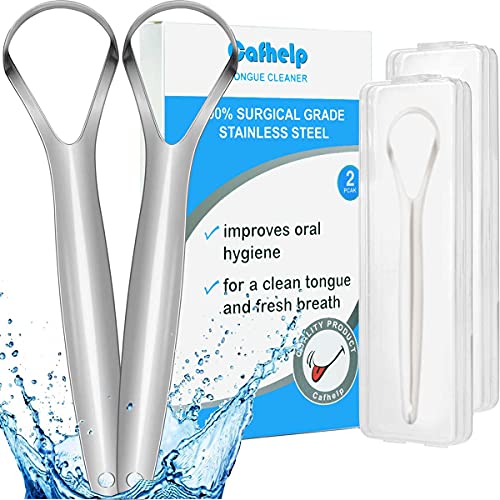
- Stainless steel tongue scraper 5 inch curved handle for durable scraping and easy cleaning
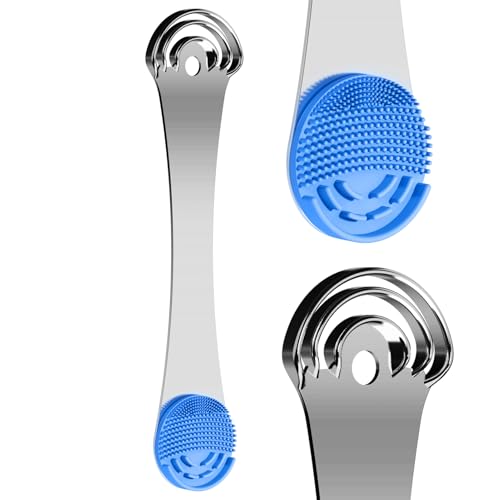
- Silicone tongue scraper 3 inch flexible anti-bacterial for a soft, gentle option
- Bamboo tongue scraper 4 inch with textured grip for a natural, ergonomic grip

Before You Start
Before cleaning, rinse the mouth with water or a mild mouthwash to loosen debris. Do not press too hard; excessive pressure can irritate the tongue’s delicate surface. Clean the tongue scraper after use by rinsing with warm water and soap, then dry thoroughly to prevent bacterial growth. Important safety notes: avoid sharing tongue scrapers, and inspect the tool for cracks or splinters before each use.
Estimated time for a routine clean: 2–3 minutes. If the mouth feels raw or sore after cleaning, pause and consult a dental professional. Proper storage in a dry place helps extend the life of the scraper and maintain hygiene.
Step-By-Step: How To Clean Your Tongue
- Choose a tongue scraper that matches comfort preferences—stainless steel for durability, silicone for softness, or bamboo for a natural grip.
- Rinse your mouth with warm water to loosen plaque and debris on the tongue.
- Hold the scraper gently near the back of the tongue without applying pressure to the soft tissue at the throat.
- Gently pull the scraper forward in a single smooth motion, applying light pressure to dislodge coating or bacteria.
- Rinse the scraper under running water after each pass to remove residue; repeat 2–3 times or until the tongue surface feels clean.
- Rinse your mouth again and spit out the rinse. If needed, brush your tongue lightly with a soft toothbrush for extra cleansing.
- Clean the scraper with soap and warm water, then rinse and dry before storing in a dry area.
- Disinfect the tool periodically by soaking in a 1:1 solution of water and white vinegar for a few minutes, then rinse thoroughly.
- Replace the scraper if the edge becomes dull, the handle cracks, or the surface shows signs of wear.
- Use a consistent daily routine—morning and/or evening—to maintain cleanliness and breath freshness.
- Pair tongue cleaning with regular brushing and flossing for best oral hygiene results.
- If using a silicone scraper, rinse between uses to prevent buildup and store in a clean, dry place to maintain antibacterial properties.
Troubleshooting
| Symptom | Likely Cause | Fix | Prevention |
|---|---|---|---|
| Tongue feels raw after cleaning | Excessive pressure or aggressive scraping | Use lighter pressure and a softer scraper; reduce frequency | Choose silicone or bamboo for gentler use |
| Scraper dulled or damaged | Hard scraping or poor maintenance | Inspect regularly; replace when worn | Rinse and dry after each use; store properly |
| Persistent bad breath despite cleaning | Underlying dental issues or insufficient cleaning | Consult a dentist; increase cleaning frequency if advised | Maintain daily brushing, flossing, and tongue cleaning |
| Scraper retains odor | Bacterial buildup on the tool | Soak in vinegar solution occasionally; scrub with soap | Dry thoroughly; store in a dry area |
Common Mistakes
- Brushing the tongue too hard can cause irritation and tiny cuts.
- Neglecting to rinse the scraper between passes may spread debris.
- Using metal scrapers with damp, unclean storage can foster bacteria growth.
- Ignoring signs of wear or damage; a cracked or warped scraper should be replaced.
Tips For Best Results
- Integrate tongue cleaning into a daily routine, ideally after brushing in the morning.
- Experiment with different scraper textures to find the most comfortable option.
- Combine tongue cleaning with hydration; drink water after cleaning to rinse away loosened debris.
- Maintain overall oral hygiene by brushing teeth twice daily and flossing regularly.
- For sensitive mouths, start with a silicone tongue scraper and gradually progress to firmer options if desired.
Call A Professional
Stop use and consult a dentist if there is persistent tongue swelling, bleeding, or unusual lesions, as these may indicate an underlying condition. Seek professional guidance if tongue cleaning causes ongoing irritation or if there is concern about oral health beyond routine hygiene.
FAQ
Is tongue cleaning necessary for everyone?
While not mandatory, tongue cleaning can reduce bacteria, improve breath, and enhance taste perception for many people.
Which tongue scraper is best for beginners?
A soft silicone scraper is often gentler for beginners, with a comfortable curved design and easy cleaning.
How often should I clean my tongue?
Most people benefit from daily cleaning, either in the morning or evening as part of a broader oral hygiene routine.
Can I use toothpaste on the tongue?
Toothpaste is not necessary; a tongue scraper alone is effective. If using toothpaste, apply a small amount sparingly to the scraper or brush gently.
Are bamboo scrapers hygienic?
Yes, bamboo scrapers are hygienic when properly dried and stored; ensure the wood is well-sealed and free of cracks.
Do tongue scrapers need cleaning after each use?
Yes, rinse thoroughly and dry after each use to prevent bacterial growth.
Should I use a scraper with a curved handle?
A curved handle can help reach the back of the tongue more comfortably and reduce strain during use.
Buying Guide
Choosing the right tongue scraper involves considering material, size, and ergonomics. For most households, three main options provide good balance between cost, durability, and comfort:
- <bStainless steel tongue scraper 5 inch curved handle offers long-term durability and easy sanitation, ideal for those who prefer a rigid tool and simple cleaning.
- <bSilicone tongue scraper 3 inch flexible anti-bacterial provides a gentler approach, suitable for sensitive mouths or beginners who want a softer touch.
- <bBamboo tongue scraper 4 inch with textured grip delivers a natural grip and a lightweight feel, favored by users who prefer eco-friendly materials.
Size and design considerations
Smaller scrapers can reach the back of the tongue more easily but may require more passes. Larger scrapers cover more area per stroke. Choose a design that fits your mouth anatomy and comfort preference.
Noise, hygiene, and ease of cleaning
Metal scrapers are typically dishwasher-safe or easy to rinse, while silicone and bamboo require gentle hand cleaning. Silicone often resists odors better, and bamboo needs proper drying to prevent mold growth.
Placement and storage
Store in a dry, ventilated area to reduce microbial buildup. Keep the scraper separate from other tools to avoid cross-contamination and inspect regularly for wear.
Value vs. durability
Investing in a high-quality scraper can reduce the need for replacements. Consider whether you prefer a low-maintenance option or a tool designed for long-term durability.
Leave a Reply