How to Clean Your Teeth Like a Dentist
Maintaining a dentist-clean standard at home involves a combination of proper brushing technique, targeted tools, and a daily routine that protects enamel and gums. This guide outlines practical steps, the right gear, and common pitfalls to avoid so American households can achieve clinical-level oral health without frequent dental visits.
By following expert-recommended practices and choosing the right devices, you can improve plaque control, freshen breath, and reduce cavity risk. The focus is on accessible tools and straightforward steps that fit into a busy lifestyle while aligning with common dental guidance.
Quick Answer
Key takeaway: Use a sonic electric toothbrush with replacement heads twice daily, complement with an interdental brush set for between-teeth cleaning, and finish with a water flosser to reach challenging areas. Consistency matters more than intensity.
What You’ll Need
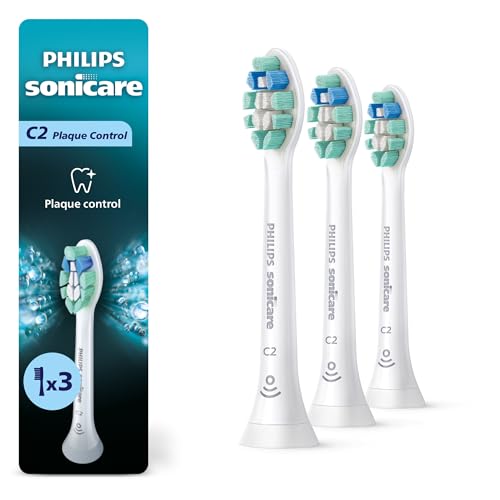
- Sonic electric toothbrush with replacement heads
- Interdental brush set assorted sizes
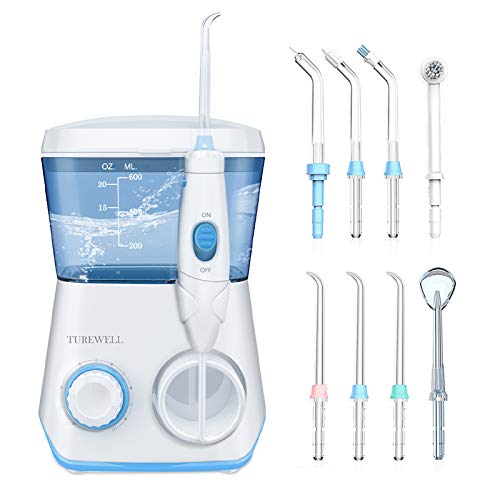
- Water flosser countertop dental irrigator kit
- Soft-bristled manual toothbrush (backup) if needed
- Floss or tape for tight contacts
- Fluoride toothpaste approved by dental professionals

Before You Start
Assess your current brushing routine and identify areas where buildup tends to accumulate, such as around molars or along the gumline. Ensure the bathroom surface is stable and you have enough time for a full cleaning session. Important cautions: Do not brush too hard, which can irritate gums and wear enamel. Use gentle, circular motions and a light touch when using interdental brushes or a water flosser near the gums.
Expect a 2–3 minute brushing window plus a few minutes for flossing and water irrigation. If you have braces, implants, or sensitive gums, consult a dentist for tailored recommendations before adjusting your routine.
Step-By-Step: How To Clean Your Teeth Like A Dentist
- Attach a fresh replacement head to the sonic electric toothbrush and apply a pea-sized amount of fluoride toothpaste.
- Switch on the toothbrush and divide your mouth into four quadrants. Brush each quadrant for about 30–45 seconds with short, circular motions, keeping the brush head at a 45-degree angle to the gumline.
- Use the outer surfaces first, then the inner surfaces, and finally the chewing surfaces. Maintain gentle pressure to avoid enamel wear and gum irritation.
- Spend extra time on the front teeth, tilting the brush vertically to sweep the inner surfaces using up-and-down strokes.
- Utilize the interdental brush set to clean between teeth. Select the smallest comfortable size and gently insert along the gumline and between contacts, moving in and out without forcing.
- Run the water flosser countertop kit along and between teeth, angling toward the gumline. Pause briefly at each space to allow irrigation and loosened debris to exit.
- Finish with a quick, extra minute of brushing to confirm no missed areas, then spit and rinse the mouth with water or a fluoride rinse if advised by a dentist.
- Rinse the toothbrush head, interdental brushes, and water flosser components after use; store them dry and ready for the next session.
- Replace toothbrush heads every 3–4 months or when bristles appear frayed; replace interdental brush heads as needed to maintain effectiveness.
- For optimal routine, brush twice daily, floss or use interdental brushes once per day, and use the water flosser as part of a nightly hygiene routine.
- Periodically assess mouthfeel and breath freshness. If persistent sensitivity or bleeding occurs, consult a dental professional promptly.
Troubleshooting
| Symptom | Likely Cause | Fix | Prevention |
|---|---|---|---|
| Gums bleed when brushing | Gum inflammation or aggressive brushing | Reduce pressure, use gentle circular motions | Maintain daily brushing and interdental cleaning without excessive force |
| Persistent bad breath | Insufficient cleaning between teeth or tongue buildup | Enhance interdental cleaning; gently brush tongue | Daily routine with all tools and proper hydration |
| Discomfort with floss or brushes | Improper sizing or technique | Try alternate interdental brush sizes; seek guidance for technique | Regular professional checkups for personalized sizing |
| Toothpaste foam or burn with fluoride | Allergic or sensitivity to ingredients | Switch to a sensitive or non-foaming toothpaste; consult if symptoms persist | Check ingredient list before choosing products |
Common Mistakes
- Using a stiff brush or applying heavy pressure, which can wear enamel and injure gums.
- Skipping interdental cleaning and relying solely on brushing.
- Neglecting to replace toothbrush heads and interdental brushes on schedule.
- Rushing through the routine or skipping nighttime brushing, leading to overnight plaque buildup.
Tips For Best Results
- Establish a fixed daily routine: morning and before-bed sessions maximize protection against plaque.
- Use a timer or built-in toothbrush timer to ensure complete brushing time.
- Keep tools organized and accessible to reduce friction in the routine.
- Choose a toothpaste with fluoride and ADA accreditation for effective cavity prevention.
- Consider a dental irrigator kit to improve cleaning between teeth and around gumlines, especially for hard-to-reach areas.
Call A Professional
Consult a dentist if there is persistent bleeding, regular tooth sensitivity, or noticeable changes in bite or alignment. Seek immediate care for sores that don’t heal, loose teeth, or severe pain. For braces, implants, or restorative work, a professional cleaning and assessment is essential to preserve investment and health.
FAQ
What is the best sequence for cleaning teeth at home?
Brush first to remove surface plaque, then use interdental brushes to clean between teeth, and finish with a water flosser to flush out debris and reach under the gumline.
How often should I replace toothbrush heads and interdental brushes?
Replace toothbrush heads every 3–4 months and swap interdental brushes when bristles show wear or fit becomes loose.
Can I rely on a water flosser alone for cleaning between teeth?
Water flossers are a great supplement but should not replace daily interdental brushing or flossing for optimal results.
Is a sonic electric toothbrush worth it for cleaning like a dentist?
Yes, when used correctly, a sonic electric toothbrush efficiently disrupts plaque and covers more surface area with less effort.
How long should each cleaning session take?
A full routine typically takes 2–3 minutes for brushing, plus 1–2 minutes for interdental tools and irrigation.
Buying Guide
When selecting gear to emulate a dentist-clean routine at home, consider these factors:
- <bSize and ergonomics: A comfortable handle and balanced weight improve control during brushing and interdental work.
- Noise level: Quieter devices reduce disruption in shared spaces while maintaining effectiveness.
- Energy efficiency: Long-lasting battery life minimizes frequent charging and ensures consistent performance.
- Controls and settings: Look for multiple brushing modes (standard, sensitive, whitening) and a built-in timer to enforce proper duration.
- Placement and storage: Stable countertop units with integrated cable management keep the kit organized and ready to use.
- Compatibility: Replacement heads and interdental brushes should be readily available and affordable to maintain the routine.
- <bMaintenance: Easy-clean components and clear instructions help sustain hygiene and extend device life.
Consider a bundled setup with a sonic electric toothbrush and replacement heads, an interdental brush assortment, and a water flosser kit for a comprehensive home care system. Compare total ownership costs, ease of use, and replacement part availability to ensure long-term value. If you share a bathroom or have sensitive gums, prioritize devices with ergonomic designs and gentle brush action. Interested in upgrading gradually? Start with the toothbrush and one interdental size, then expand as you become comfortable.
Leave a Reply