How to Clean Your Room in 15 Minutes
Keeping a tidy living space doesn’t have to take hours. With a focused routine and a few reliable tools, a quick 15-minute blitz can leave your room looking fresh and organized. This guide explains practical steps, safety tips, and smart tool use to maximize efficiency without sacrificing quality.
Whether you’re preparing for guests, winding down for the night, or reclaiming a cluttered space, the following plan helps you move fast while sustainably maintaining cleanliness. The emphasis is on targeted moves, effective dusting, and quick surface upkeep using accessible household gear.
Quick Answer
Speed strategy: Clear visible clutter, execute a top-to-bottom dusting, vacuum or wipe major surfaces, tidy surfaces, and do a final quick floor wipe. Use a cordless handheld vacuum for quick pickups, an extendable microfiber duster for hard-to-reach spots, and microfiber cleaning cloths for fast wipe-downs.
What You’ll Need
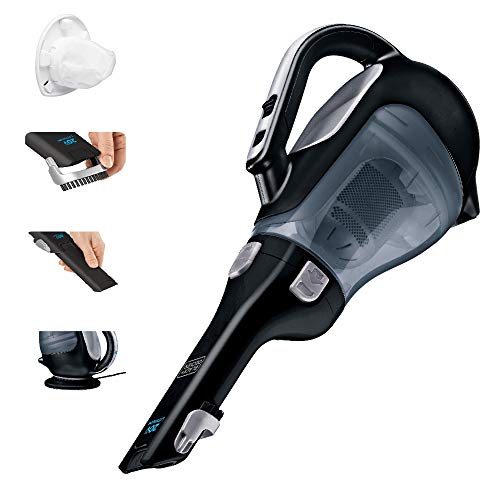
- cordless handheld vacuum 20V rechargeable with crevice tool for quick room cleaning
- extendable microfiber duster with adjustable length and replaceable heads
- microfiber cleaning cloths 12×12 inches bulk pack for dusting and wiping surfaces


Before You Start
Plan a burst-clean routine in five short phases: quick pickup, dusting, surface wiping, organizing, and floor touch-up. Choose a stopping point to avoid over-scrubbing. Safety first: unplug electrical cords, keep liquids away from electronics, and wear a mask if dust is substantial. Time estimate: 10–15 minutes for a typical small to medium bedroom. If you share the room or have pet hair, allow a few extra minutes for the dusting phase.
Step-By-Step: How To Clean Your Room In 15 Minutes
- Start with a quick surface pickup: remove clutter from the floor and surfaces. Place items in their designated spots to minimize re-cleaning later.
- Grab the cordless handheld vacuum 20V rechargeable with crevice tool for quick room cleaning and perform a rapid dust-and-dirt run along corners, under the bed, and along baseboards.
- Extend the extendable microfiber duster with adjustable length to reach ceiling corners, light fixtures, and the tops of shelves; shake or gently wipe away dust.
- Wipe high-touch surfaces (door handles, light switches, desk surfaces) with microfiber cleaning cloths in small, circular motions for quick sanitize and remove fingerprints.
- Dust the microfiber cleaning cloths 12×12 inches bulk pack surfaces with a single pass; switch to a clean cloth for each major area to avoid spreading grime.
- Move to the floor: pick up loose dirt again if needed, then perform a fast vacuum or wipe-down of the entire floor area. Use the crevice tool for tight spots.
- Wipe down the desk, dresser, and any glass surfaces with a slightly damp microfiber cloth, followed by a dry pass to prevent streaks.
- Check behind doors and in corners for forgotten items; return them to their rightful place or add them to a small storage bin.
- Organize visible cords and cables to create a neat, clutter-free appearance; tuck away tangled cords behind furniture when possible.
- Do a final quick sweep of the room to ensure all surfaces look tidy and spray or wipe surfaces if needed to restore brightness.
- Take a final look from the doorway: adjust lighting and straighten any misaligned objects for a polished finish.
Troubleshooting
| Symptom | Likely Cause | Fix | Prevention |
|---|---|---|---|
| Dust returns quickly | Heavy traffic or overlooked spots | Re-scan high-traffic areas and refresh cloths | Dust on shelves and baseboards weekly |
| Persistent streaks on glass | Dirty cloth or insufficient drying | Use a dry microfiber cloth after wiping | Keep a dedicated dry cloth for glass surfaces |
| Vacuum loses suction | Full dust bin or clogged nozzle | Empty bin and clear crevice tool | Regular maintenance of vacuum head |
| Allergies spike after cleaning | Unremoved dust lingering in fabric | Dust fabric surfaces with extendable duster | Close windows during heavy cleaning, use HEPA filtration |
Common Mistakes To Avoid
- Trying to do too much at once; break tasks into small, doable steps.
- Over-wetting microfiber cloths, which can leave streaks or damage finishes.
- Neglecting vertical surfaces; dust tends to settle on shelves and blinds.
- Leaving cords and cables tangled; organize for both safety and neatness.
Tips For Best Results
- Do a quick 15-minute burst routine at the same time each day to build a habit that scales to larger cleanings.
- Use the cordless handheld vacuum for fast pickups and to avoid dragging a heavy vacuum around.
- Keep the extendable microfiber duster charged and ready for rapid use on ceiling corners and shelves.
- Rotate cleaning cloths so you always use a fresh, lint-free surface for each area.
- Schedule weekly checks for clutter and donate or store items you no longer need to maintain a clean space.
Call A Professional
Consider professional help if you notice persistent mold, unusual odors, or structural concerns. Stop cleaning and seek expert assessment if you encounter water damage, electrical hazards, or pests. For routine upgrades or specialized cleaning (e.g., upholstery, carpets with deep stains), a professional service can save time and protect surfaces.
FAQ
How long does it usually take to clean a small room in 15 minutes?
Most quick-clean sessions for a small to medium room take about 12–15 minutes if you follow a focused routine with the right tools.
Can I use a regular mop for this routine?
Yes, but a quick vacuum and microfiber cloth approach is typically faster for bedrooms and living spaces.
What should I do first when cleaning a messy room?
Start with decluttering and picking up items off the floor to create immediate visual impact.
How often should I replace microfiber cloths?
Replace cloths when they become visibly dirty or stained; otherwise, wash and reuse them to maintain effectiveness.
Is it okay to reuse the same cleaning cloth for multiple surfaces?
Avoid cross-contamination by using a clean cloth for each major surface or rotation of surfaces.
What if I have pets and hair everywhere?
Increase frequency of dusting and vacuuming, and consider using a higher-suction vacuum head and pet-hair removal tools.
Buying Guide
When selecting tools to support a 15-minute room clean, consider several key factors to maximize speed and effectiveness. Size, noise, and energy efficiency matter for daily use in American homes.
Size and weight affect handling during a quick clean. A compact cordless handheld vacuum 20V rechargeable with crevice tool is ideal for rapid pickups around furniture and tight corners. Noise level can influence comfort, especially in shared spaces or late hours; look for models with lower decibel ranges or variable power settings. Energy efficiency matters for frequent use, so examine battery life and recharge time. A charged unit lets you start and finish in one go.
Controls should be intuitive: simple on/off switches, easy-to-empty dust bins, and accessible attachments. The extendable microfiber duster offers adjustable length for reaching high shelves, while replaceable heads ensure continued effectiveness. A bulk pack of microfiber cleaning cloths 12×12 inches provides consistent, lint-free surfaces for rapid wipe-downs without frequent replacements.
Placement matters: store tools in a dedicated caddy or drawer near your cleaning zone to minimize retrieval time. Keep a small basket for clutter and a designated shelf for cleaning cloths and accessories. For homes with allergies, consider devices with sealed dust compartments and HEPA filtration to reduce airborne particles during quick cleans.
In essence, the right combination of a cordless handheld vacuum, an extendable microfiber duster, and microfiber cleaning cloths enables a fast, repeatable 15-minute room cleaning routine. If you value speed and consistency, this toolkit supports steady results with minimal effort.
Leave a Reply