How to Clean Your House From Top to Bottom
Maintaining a clean home in the United States can be straightforward with a structured plan. This guide outlines a practical, step-by-step approach to cleaning every area from ceiling to floor, using common tools and safe practices. The aim is to help busy households achieve a fresher, healthier living space without wasting time.
By following a logical sequence and using the right gear, homeowners can minimize effort while maximizing results. The methods below emphasize efficiency, safety, and consistent results that translate to a noticeably cleaner home day after day.
Quick Answer
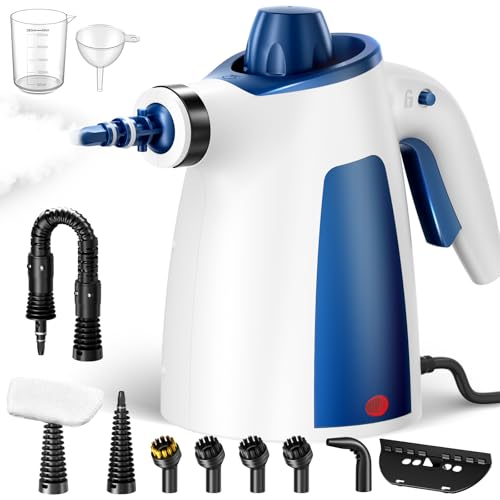
Plan a top-to-bottom pass starting with high surfaces and work downward. Use purpose-built tools for each task, such as an extendable microfiber mop with washable pads for hardwood and tile floors, a dusting wand with microfiber sleeves for ceilings and high corners, and a handheld steam cleaner multi-surface for tiles, glass, and upholstery for stubborn grime. Schedule 60–90 minutes for a full room if you work steadily.
What You’ll Need
The following tools and supplies cover most rooms. If you already own similar items, use what’s on hand to reduce clutter and save time.
- Extendable microfiber mop with washable pads for hardwood and tile floors
- Dusting wand with microfiber sleeves for ceilings and high corners
- Handheld steam cleaner multi-surface for tiles, glass, and upholstery


Before You Start
Clear floors and surfaces of obstacles before cleaning. Ventilate the space if using a steam cleaner and avoid oversaturating wood floors. Label and store cleaners away from children and pets. Time estimates vary by room size and soil level, but a typical session ranges from 60 to 120 minutes. Wear gloves if you have sensitive skin or use abrasive cleaners. Always test cleaners in an inconspicuous area first to prevent damage.
Step-By-Step: How To Clean Your House From Top To Bottom
- Begin with ceilings and fans using the dusting wand with microfiber sleeves to remove cobwebs and settled dust.
- Wipe down walls and baseboards using a microfiber cloth or a damp microfiber pad to capture dirt without spreading it.
- Dust high surfaces such as shelves, picture frames, and vents, moving downward to avoid recirculating dust.
- Move to bathrooms: spray surfaces with a multi-surface cleaner, wipe tiles, fixtures, and glass, and finish with a microfiber towel to prevent streaks.
- Sweep or vacuum floors before mopping to lift loose debris, then use the extendable microfiber mop for a thorough floor cleaning in softwood or tile areas.
- Spot-clean carpets and upholstery with the handheld steam cleaner for stubborn stains and odors.
- For kitchens, sanitize counters, wipe appliance exteriors, and clean the sink area. Rinse and dry with a clean cloth to reduce water spots.
- Finish with a floor mop pass, starting in the farthest room and working toward the exit to minimize re-cleaning.
- Empty trash bins and replace liners. Do a final quick wipe of touchpoints like doorknobs, light switches, and remote controls.
- Inspect the space and re-clean any areas that appear dusty or damp after the initial pass.
- Put away tools and store cleaning supplies in a designated spot to maintain readiness for the next cleaning cycle.
Troubleshooting
| Symptom | Likely Cause | Fix | Prevention |
|---|---|---|---|
| Streaks on glass or tile | Residue or insufficient drying | Rinse with clean water and wipe dry with a microfiber cloth | Use the steam cleaner per instructions and avoid over-wetting surfaces |
| Dust reappears quickly | Inadequate dusting height or missed spots | Revisit ceiling corners and shelves with a microfiber wand | Dust regularly, especially high surfaces |
| Floor pads wear quickly | Harsh grit or excessive pressure | Clean pads after use and replace when worn | Vacuum floors before mopping to reduce grit |
| Steam cleaner loses pressure | Water reservoir low or clogged steam exit | Refill reservoir and clear any blockages | Empty fluids promptly after use and perform routine descaling |
Common Mistakes
- Over-wetting wood floors, causing warping or damage
- Using abrasive pads that scratch surfaces
- Neglecting to move from top to bottom, which leads to re-dirtying cleaned areas
- Forgetting to dust high corners and vents
Sticking to a top-to-bottom approach and selecting the right tools reduces these issues and leads to consistently better results.
Tips For Best Results
- Clean in sections: dedicate a separate zone per room to stay organized.
- Use microfiber sleeves and pads for superior dust capture and gentle cleaning.
- Rinse and wring cloths frequently to prevent re-depositing dirt.
- Run the steam cleaner across fabric and upholstery while wardrobe doors are open to dry quickly.
- Establish a regular cleaning cadence to prevent heavy soil buildup.
Call A Professional
Consider a professional if there is persistent mold, extensive water damage, or if you encounter stubborn stains that do not respond to standard cleaning methods. Seek help for electrical or plumbing-related issues, and for large-scale cleaning tasks that require specialized equipment or certification.
FAQ
How often should I clean each room?
Daily quick dusting and surface wipe-downs, with a deeper clean weekly or biweekly depending on usage and household members.
Can the handheld steam cleaner replace chemical cleaners?
In many cases, yes for tiles, glass, and upholstery, but follow label instructions and test surfaces first.
Is it safe to use steam on hardwood floors?
Steam is generally not recommended for most solid hardwood floors; use a damp mop or microfiber pad designed for wood.
What maintenance do the cleaning tools require?
Wash microfiber pads, replace worn pads, and descale steam equipment per manufacturer instructions.
Should I declutter before cleaning?
Yes—clearing surfaces reduces cleaning time and improves effectiveness.
How can I speed up the process?
Plan a route, use extendable tools, and run a consistent top-to-bottom routine to avoid retracing steps.
Buying Guide
When evaluating cleaning tools, consider size, noise, energy efficiency, controls, and placement. For a practical setup, a three-tool kit can cover most tasks: an extendable microfiber mop for floors, a dusting wand for ceilings and high corners, and a handheld steam cleaner for tiles, glass, and upholstery. Look for washable pads and sleeves to reduce ongoing costs and waste. If storage space is limited, choose compact models with integrated holsters or wall mounts. Noise levels matter for homes with sensitive occupants or pets, so check decibel ratings if available. For placement, assign a dedicated cleaning caddy or drawer, and store tools in a central area for quick access. In comparing options, prioritize durability, replacing parts, and ease of maintenance to ensure long-term value.
Leave a Reply