How to Clean Your Feet Safely and Effectively
Keeping feet clean and healthy helps prevent odor, infections, and skin problems. This guide covers practical steps for everyday foot care, using common tools and safe techniques to refresh skin and nails while avoiding irritation.
Quick Answer
Soak feet in warm water, gently exfoliate with a foot file or pumice, scrub with a soft brush, rinse, dry thoroughly, and apply a moisturizer. If you have persistent hard skin, consider a callus remover or professional foot care advice.
What You’ll Need
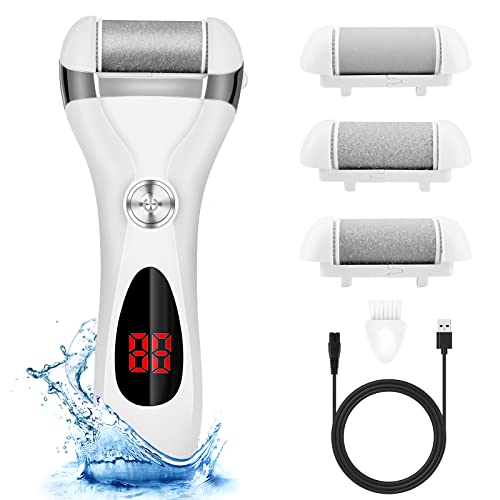
- Electric foot callus remover with replaceable heads for dry feet
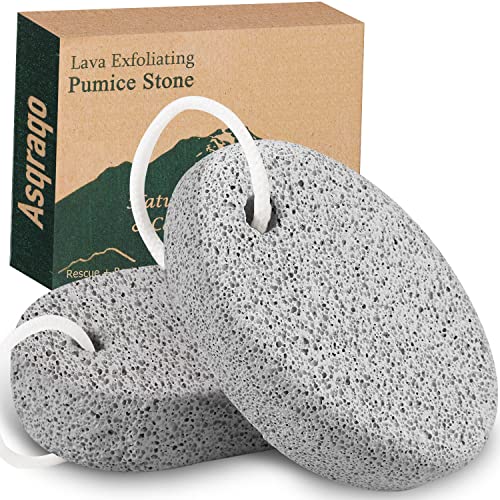
- Natural pumice stone foot file for calluses and dead skin
- Shower foot scrubber brush with long handle for cleaning feet

Before You Start
Prepare a warm, comfy setup: use a basin or tub, clean towels, and a non-slip surface. Avoid hot water and harsh scrubbing that can irritate cracked feet. Time estimate: 10–20 minutes per session. If you have diabetes, poor sensation, or foot wounds, consult a clinician before intensive cleaning.
Step-By-Step: How To Clean Your Feet
- Fill a basin with warm water and soak feet for 5–10 minutes to soften skin.
- Gently pat dry; focus on areas with calluses or rough skin.
- Use a natural pumice stone foot file on calloused patches with light pressure in a circular motion.
- For overall cleansing, scrub with a shower foot scrubber brush with long handle to reach all areas.
- If using an electric foot callus remover with replaceable heads, select a gentle head and work in small sections, never press hard.
- Rinse feet again to remove loosened skin and debris.
- Dry thoroughly between toes to prevent moisture buildup and infections.
- Apply a moisturizer or foot cream to seal in hydration, focusing on dry areas.
- Optional: finish with a light massage to stimulate circulation.
- Store tools clean and dry in a ventilated area to prevent contamination.
- Repeat 1–2 times per week or as needed based on skin condition.
- If you notice persistent cracking, redness, or pain, seek professional care.
Troubleshooting
| Symptom | Likely Cause | Fix | Prevention |
|---|---|---|---|
| Rough skin returns quickly | Dry environment or insufficient exfoliation | Increase exfoliation frequency with gentle tools | Daily light moisturizing |
| Redness or irritation | Aggressive scrubbing or sensitive skin | Reduce pressure and switch to softer head | Patch test before full use |
| Fungal odor or discharge | Moisture buildup between toes | Thorough drying and use of breathable socks | Keep feet dry after washing |
| Calluses worsen | Too aggressive with tools | Limit use or replace with gentler method | Moisturize and hydrate skin regularly |
Common Mistakes
- Using hot water that dries or irritates skin
- Over-scrubbing or applying excessive pressure
- Neglecting between-the-toes and thorough drying
- Skipping moisturizer after cleansing
Tips For Best Results
- Soften skin consistently by combining soaking with a mild exfoliant.
- Rotate tools: use a pumice stone for rough patches and a soft brush for general cleaning.
- Keep tools dry between uses to prevent bacterial growth.
- Protect sensitive nails with gentle filing rather than aggressive cutting.
Call A Professional
Consult a podiatrist or foot care professional if you notice persistent cracking, severe calluses, toenail infections, or uncontrolled diabetes with foot symptoms. Seek immediate care for open wounds, swelling, or intense pain.
FAQ
How often should I clean and exfoliate my feet?
Most people can clean and lightly exfoliate 1–2 times per week, with deeper care for calluses as needed.
Can I use a pumice stone on cracked skin?
Yes, but be gentle; avoid cracked or bleeding areas and moisturize after use.
Is it safe to use an electric foot callus remover at home?
Yes, following instructions and using the gentle head on sensitive areas is typically safe for healthy feet.
What products help prevent foot odor after cleaning?
Keep feet dry, wear breathable socks, and apply a light antiseptic or moisturizing product as needed.
Buying Guide
When selecting foot care tools, consider size, ergonomics, and how they feel in your hand. Noise and battery life matter for electric devices, and durable heads extend tool life. Look for materials that resist moisture and are easy to clean. Consider how each tool fits your routine: quick daily cleansing, or deeper weekly exfoliation. Pay attention to how tools reach between toes and around nails, since effective cleaning depends on full coverage. Finally, think about storage and maintenance needs to keep feet healthy and tools ready for use.
Leave a Reply