How to Clean Xero Shoes
Xero Shoes are designed for lightweight comfort and barefoot feel, but like any minimalist footwear, they benefit from careful cleaning to preserve function and extend life. This guide provides a practical, step-by-step approach tailored for American users, using common cleaning tools and beginner-friendly methods.
The following sections cover quick answers, necessary supplies, safety notes, step-by-step instructions, troubleshooting, mistakes to avoid, optimization tips, when to call a professional, and answers to common questions. The goal is to keep Xero Shoes looking good and performing well in everyday scenarios, from gym runs to trail adventures.
Quick Answer
Best overall method: Gently scrub the exterior with a soft-bristle brush and a mild soap solution, rinse, then allow air drying away from direct heat. For interiors, use a microfiber cloth or towel to wipe down and remove moisture. For odor control, apply a fabric shoe deodorizer spray designed for barefoot shoes after cleaning and drying.
What You’ll Need
For a thorough clean, gather these tools and products. The items below emphasize compatibility with Xero Shoes and minimalist barefoot footwear.
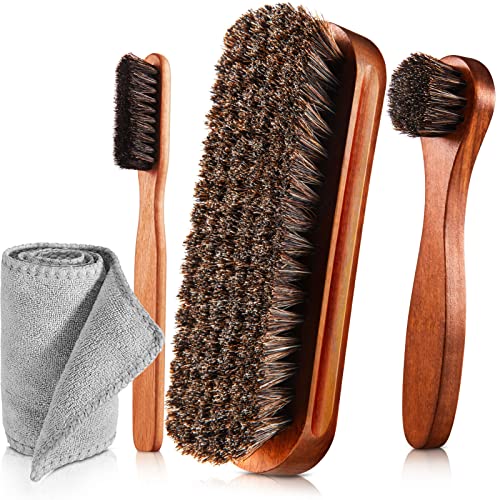
- Xero Shoes cleaning brush soft bristle microfiber cloth kit
- Athletic shoe cleaning kit soft brush microfiber towel
- Fabric shoe deodorizer spray wipe for minimalist barefoot shoes


Before You Start
Before cleaning, remove laces and insole if possible. Brush off loose dirt to prevent grinding it into materials. Work in a well-ventilated area and use mild cleaners to protect materials. Avoid harsh chemicals, hot water, and direct sun as these can degrade adhesives and fabrics. Time estimate: 15–30 minutes for a typical pair; longer if deeply soiled or multi-surface cleaning is needed.
Step-By-Step: How To Clean Xero Shoes
- Remove laces and insoles, if applicable, and set them aside for separate cleaning.
- Lightly brush the exterior with the soft-bristle brush to remove dirt and debris.
- Mix a small amount of mild soap with warm water in a bowl.
- Dampen a microfiber cloth or the included cleaning kit cloth and wipe the upper surfaces in gentle circular motions.
- For stubborn stains, apply a small amount of the soap solution directly to the brush and scrub softly, focusing on problem areas.
- Rinse the cloth and wipe away any soap residue from the shoe surfaces; avoid soaking the shoes.
- Pat dry with a clean towel and air dry in a shaded area with good airflow; do not use a clothes dryer or heater.
- Reassemble: insert insoles and re-lace once completely dry. Finish with a light spray of fabric shoe deodorizer if odor is noticeable.
Troubleshooting
| Symptom | Likely Cause | Fix | Prevention |
|---|---|---|---|
| Persistent odor after cleaning | Moisture trapped inside or fabric not dried completely | Re-clean with thorough drying; use deodorizer spray | Ensure complete air drying before use; remove insoles to dry separately |
| Faded color or dye bleed | Repeated exposure to harsh chemicals or hot water | Use milder cleaners and cool water; test on a hidden area | Spot clean and rinse quickly; avoid soaking |
| Stiff upper material after wash | Over-drying or heat exposure | Air dry away from direct heat; use a light conditioning spray if recommended by the material | Air dry only; reshape while damp |
| Glues loosening or soles separating | Excessive soaking or heat | Limit water exposure; seek professional repair if separation occurs | Avoid submerging footwear in water |
Common Mistakes
- Using hot water or harsh solvents that damage adhesives and fabrics
- Washing in a machine or leaving shoes soaking for long periods
- Direct sunlight or high heat during drying, which can warp or weaken materials
- Neglecting to dry insoles or inner linings, leading to odor and mold risk
Tips For Best Results
- Clean promptly after exposure to mud or salt to prevent permanent staining
- Use a dedicated cleaning brush set designed for athletic or minimalist footwear
- Test cleaners on a hidden area first to confirm colorfastness
- Dry thoroughly before wearing to maintain comfort and fit
- Reapply a fabric deodorizer after drying for fresh wear
Call A Professional
Consider professional help if the shoes exhibit significant detachment of sole components, severe sole separation, or persistent odor that does not improve after cleaning and deodorizing. Seek repair or replacement guidance from a licensed cobbler or the manufacturer’s service center when structural integrity is in doubt.
FAQ
Can I machine wash Xero Shoes?
Machine washing is discouraged for minimalist footwear. Hand cleaning with a soft brush and cloth is safer to protect the materials and adhesives.
How often should I clean Xero Shoes?
Clean when visible dirt accumulates or after sweaty activities to reduce odor and maintain material integrity.
Are there specific cleaners for barefoot shoes?
Use mild, non-benzene, non-high-alkaline cleaners suitable for fabric or mesh uppers. Always test first.
Will cleaning affect waterproofing?
Most barefoot uppers rely on breathable fabrics rather than heavy waterproof coatings. Cleaning should not degrade performance, but avoid harsh products that could affect any waterproof treaters if applied.
Should I remove the insoles for cleaning?
Yes, remove insoles and clean separately. Dry insoles completely before reinserting to prevent mold growth.
What about deodorizing after cleaning?
Fabric deodorizer sprays designed for minimalist barefoot shoes help control odors post-cleaning.
Buying Guide
When choosing care products for Xero Shoes, consider factors such as compatibility with lightweight or barefoot designs, material safety, and ease of use. A dedicated cleaning brush set and microfiber towels help protect delicate uppers while removing dirt. Odor-control sprays designed for minimalist footwear can extend wearability between cleanings. Look for products labeled as safe for fabric uppers and adhesives commonly used in athletic footwear. For frequent hikers or runners, a compact cleaning kit that fits in a gym bag can be especially convenient.
Buying Guide: Key Factors To Consider
- Size and scope of kit: Choose a compact kit with a soft brush, microfiber cloths, and a spray deodorizer for on-the-go cleaning.
- Brush softness and material: Fine, soft bristles protect delicate uppers without abrading material.
- Deodorizing effectiveness: Look for enzyme-based or fabric-safe sprays that neutralize odors without leaving residues.
- Drying support: Microfiber towels aid quick drying; ensure materials allow airflow and avoid heat sources.
- Safety and materials: Use cleaners formulated for fabric uppers and adhesives to prevent damage.
- Placement: Clean in a well-ventilated area and spread a towel to catch drips; store kit in a bag for travel use.
With the right approach, cleaning Xero Shoes keeps them comfortable, breathable, and ready for the next workout or outdoor excursion. If any sealant or sole issues appear, follow the manufacturer’s guidelines and seek professional advice when needed.
Leave a Reply