How to Clean a Wubbanub: A Practical Guide
Wubbanubs combine a plush owl with a pacifier, creating a cuddly companion for babies and a practical soothing tool for caregivers. Proper cleaning is essential to keep both the plush toy and pacifier safe for little mouths. This guide explains a careful, step-by-step approach that fits busy American households and uses common cleaning supplies.
The following sections outline a quick, reliable method, including tools, safety considerations, and common issues. Readers will find a straightforward process that preserves the toy’s materials while ensuring thorough sanitization.
Quick Answer
To clean a Wubbanub, detach the pacifier, hand-wash the plush with mild soap and warm water, rinse well, air-dry fully, and sanitize the pacifier using a suitable method. Regular checks for wear on the plush and pacifier parts help prevent injuries and choking hazards.
What You’ll Need
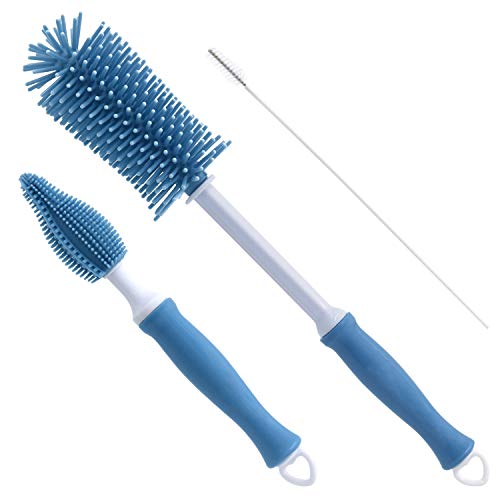
- Pacifier brush silicone nipple cleaner
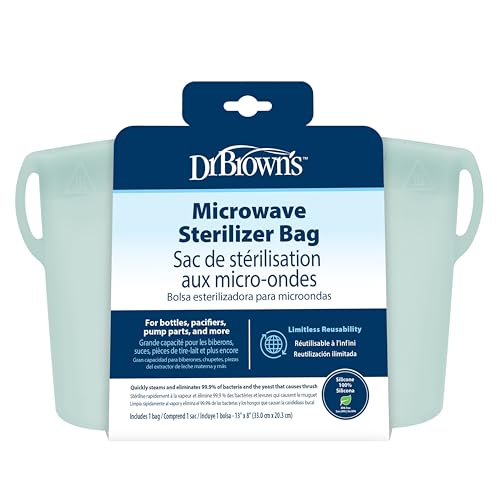
- Pacifier sterilizer microwave safe
- Washing bag for pacifiers plush toys

Before You Start
Before cleaning, inspect the Wubbanub for loose stitching, frayed fabric, or a damaged pacifier. If the plush shows significant wear, consider retiring the item for safety. Use a clean, dedicated workspace to avoid cross-contamination with other toys or surfaces. Time estimate: 15 to 30 minutes per cleaning session, depending on dishwasher or hand-washing choices. Do not submerge the plush in hot water for long periods, as heat can degrade fabrics and the toy’s structure.
Step-By-Step: How To Clean A Wubbanub
- Detach the pacifier from the plush body and set the pacifier aside for separate cleaning.
- Rinse the plush portion quickly with lukewarm water to remove surface dust or saliva.
- Fill a basin with mild detergent and warm water. Submerge the plush portion and gently hand-wash with a soft cloth or sponge.
- Rinse the plush thoroughly, ensuring no soap residue remains. Gently press out excess water without wringing to protect the fabric.
- Air-dry the plush in a well-ventilated area away from direct heat or sunlight to prevent color fading and fabric damage.
- For the pacifier, use a pacifier brush silicone nipple cleaner to clean all surfaces and crevices. Rinse under running water and inspect for any damage.
- If sterilization is desired, place the pacifier in a pacifier sterilizer microwave safe according to the manufacturer’s directions and sanitize safely.
- After drying, reattach the pacifier to the plush or store separately in a clean, dry space until next use.
Troubleshooting
| Symptom | Likely Cause | Fix | Prevention |
|---|---|---|---|
| Stiff plush fabric after washing | Excess detergent or over-washing | Rinse thoroughly and use less detergent next time | Use mild detergent; avoid harsh cleaners |
| Color fading on plush | Direct sunlight or hot wash | Air-dry away from sun; wash in warm, not hot water | Shade storage and gentle cycles |
| Pacifier shows wear or cracks | Frequent sterilization or age of pacifier | Replace pacifier promptly when worn | Inspect during each cleaning |
| Persistent odor after washing | Trapped moisture | Thorough air-drying; occasional sun exposure if safe for the fabric | Ensure complete drying before use |
Common Mistakes
- Using harsh chemicals or bleach on the plush may damage fibers.
- Submerging the plush for too long can cause fabric shrinkage or color bleed.
- Incorrectly reassembling the pacifier can create choking hazards.
- Neglecting to fully dry the plush before reassembly increases mold risk.
Tips For Best Results
- Wash the plush portion separately from the pacifier to avoid cross-contamination and simplify drying.
- Rotate cleaning frequency based on usage; daily use may require more frequent cleaning than occasional use.
- Keep spare pacifiers handy to minimize repeated sterilization on the same item.
- Store cleaned Wubbanub in a clean, dry place away from potential dirt or pests.
Call A Professional
Consider contacting a pediatric-friendly toy cleaning service if the plush shows extensive staining, odor that won’t lift, or if there are suspicions of mold growth. Seek medical advice if there is any concern about hygiene or safety that exceeds routine home cleaning capabilities.
FAQ
How often should I clean a Wubbanub?
Clean after each use or at least weekly if used regularly. Prompt cleaning helps prevent buildup and keeps the toy hygienic.
Can I put the pacifier in the dishwasher?
Only if the pacifier and its materials are labeled dishwasher-safe by the manufacturer. Follow the product’s specific instructions.
Is it safe to microwave sanitize the pacifier repeatedly?
Occasionally sanitizing the pacifier in a microwave-safe sterilizer is fine, but avoid repeated high-heat exposure that could degrade materials.
What if the plush gets wet during cleaning?
Wring gently and air-dry thoroughly in a well-ventilated area to prevent mildew and fabric damage.
Should I wash the plush every day?
No. Regular, gentle cleaning is sufficient; frequent washing may wear fabrics more quickly.
Buying Guide
When choosing a Wubbanub-cleaning routine or associated tools, consider several key factors to optimize results and safety. The right approach depends on your household’s routines, your child’s needs, and the materials used in the toy.
Size and material compatibility: Ensure that the patch of plush material supports gentle washing without losing shape. Check whether the plush is machine-washable or hand-wash-only, especially for delicate fabrics.
Noise level and energy use: If using a pacifier sterilizer microwave safe or a compact drying bag, consider devices with low energy use and quiet operation to avoid startling a sleeping baby.
Energy efficiency and convenience: Look for compact, energy-efficient sterilizers and reusable bags that are easy to clean and store. Choose models that fit your kitchen or laundry area setup.
Controls and ease of use: Favor straightforward controls and clear instructions for both cleaning and sterilization steps. Parents and caregivers benefit from predictable routines.
Placement and storage: Store cleaning tools and spare pacifiers in a dedicated bin or drawer near the changing table or diaper station for quick access during cleanups.
Compatibility with other items: If using a washing bag for pacifiers plush toys, ensure it accommodates Wubbanub dimensions and preserves the plush’s shape during washing.
Long-term durability: Inspect for fabrics and finishes that withstand frequent washing and sterilization. Durable materials extend the life of the toy and reduce replacement frequency.
Leave a Reply