How to Clean Wool Buffing Pads
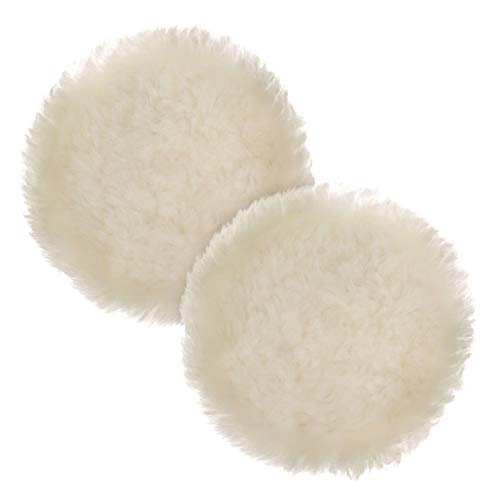
Wool buffing pads are a staple in detailing projects due to their effective cutting and finishing ability. Proper cleaning extends pad life, preserves polishing results, and prevents cross-contamination between compounds. This guide provides practical steps to refresh wool pads, with safe methods for home use and affordable tools to streamline the process.
Following best practices helps maintain consistent performance and protects your buffers and paint from scratches. The methods below balance simplicity with effectiveness, so both hobbyists and professionals can apply them confidently.
Quick Answer
Best quick method: remove excess compound, rinse with lukewarm water, then use a dedicated wool pad cleaning brush or a pad washer for wool buffers; finish with air drying. For stubborn residues, an ultrasonic cleaner for polishing pads can be a time-saving option, but avoid soaking wool too long to preserve fibers.
What You’ll Need
The following tools and materials are commonly used to clean wool buffing pads. Use the list as a foundational set and adapt to your workflow.
- Wool polishing pad cleaning brush
- Car detailing pad washer for wool buffers
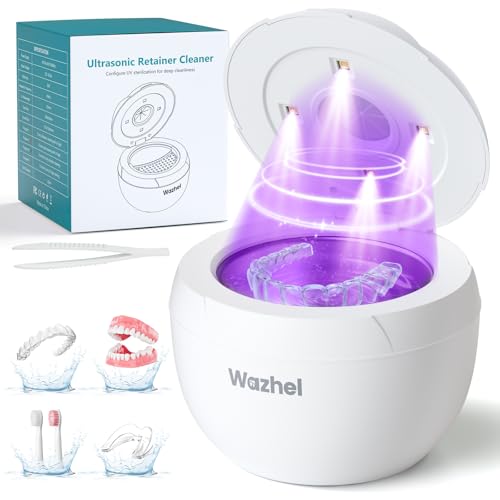
- Ultrasonic cleaner for polishing pads
- Warm water and mild soap or pad-safe cleaner
- Clean drying rack or towels
- Optional: rubber gloves to protect hands

Before You Start
Assess pad condition before cleaning. If fibers are torn or deformed, consider retiring the pad. Work in a well-ventilated space and use lukewarm water to minimize fiber damage. Do not use hot water or harsh solvents on wool pads, which can weaken fibers and reduce polishing performance. Plan for 15–30 minutes per pad, depending on residue.
Important cautions: never machine-dry wool pads on high heat and avoid soaking pads for extended periods, which can degrade backing materials. Place pads flat to dry to maintain shape.
Step-By-Step: How To Clean Wool Buffing Pads
- Detach the pad from the backing plate and wipe away loose product with a clean microfiber or soft cloth.
- Rinse the pad under lukewarm running water, squeezing gently to release spent product without aggressively twisting fibers.
- Apply a small amount of pad-safe cleaner or mild soap and work it into the fibers with a wool polishing pad cleaning brush for thorough lift of embedded residues.
- Rinse again until the water runs clear and the soap suds disappear, ensuring no soap remains in the pores of the wool.
- For stubborn residues, place the pad in a car detailing pad washer for wool buffers or an ultrasonic cleaner for polishing pads in a brief cycle, following the device’s instructions.
- Gently squeeze out excess water and lay the pad flat on a drying rack or towel, ensuring the fibers dry evenly to prevent misshaping.
- Reshape the pad while damp to maintain its original contour; avoid compressing or twisting fibers aggressively.
- Inspect the pad after drying. If fibers remain matted or torn, rotate to a fresh pad to avoid compounding polishing defects.
- Store pads in a clean, dry area away from dust and direct sunlight to preserve fiber integrity.
- Set a routine: clean pads promptly after use to prevent hardening of residues and extend pad life.
- When reusing, test on a small area to confirm that residues are completely removed and that the pad performs as expected.
Troubleshooting
| Symptom | Likely Cause | Fix | Prevention |
|---|---|---|---|
| Padding feels stiff or clumped | Residue still trapped in fibers | Repeat cleaning cycle or use ultrasonic cleaner | Clean promptly after use; rinse thoroughly |
| Fibers shed or fray | Over-aggressive cleaning or old pad | Replace pad; use gentler brushing | Inspect pad before use; handle with care |
| Unpleasant odor after drying | Residue degradation | Re-clean with mild detergent and ensure complete drying | Avoid leaving damp pads in storage |
| Water not draining in pad washer | Blocked nozzle or filter | Clear blockages and clean components | Regular maintenance of equipment |
| Unclear water after cleaning | Soap residue | Rinse until clear and repeat if needed | Use minimal soap and thorough rinse |
Common Mistakes
- Using hot water or harsh solvents on wool pads
- Over-soaking pads which weakens fibers and backing
- Brushing too aggressively, causing fiber damage
- Skipping drying and storing damp pads, leading to mold
Staying mindful of fiber integrity and drying conditions helps maintain pad effectiveness and longevity.
Tips For Best Results
- Clean pads immediately after polishing to prevent residue set. Fresh fibers respond better to cleaning.
- Rotate multiple wool pads to distribute wear and extend service life between cleanings.
- Label pads by usage (cutting vs finishing) to avoid cross-contamination of products.
- When using an ultrasonic cleaner, keep cycles short and avoid prolonged exposure that could degrade wool.
- Inspect backing plates for damage; a damaged backing can transfer friction to the pad and degrade performance.
Call A Professional
Consider professional help if pads show persistent fiber damage, strong chemical odors after cleaning, or if you notice paint or compound staining that resists cleaning. Seek a pro if equipment (pad washer or ultrasonic cleaner) malfunctions or if you’re unsure about compatible cleaners for wool fibers.
FAQ
Can I reuse wool pads after cleaning them?
Yes, if fibers are intact and residues are fully removed.
Is an ultrasonic cleaner necessary for wool pads?
Not strictly necessary, but it can help with stubborn residues and save time.
How should wool pads be dried?
Lay flat on a drying rack until completely dry and reshape while damp.
What cleaners are safe for wool pads?
Use pad-safe cleaners or mild dish soap diluted with water.
Buying Guide
When selecting cleaning tools and supplies for wool buffing pads, consider several factors to optimize performance and value.
Size and compatibility
Choose a pad washer for wool buffers or an ultrasonic cleaner with adjustable basket size and gentle cycles to accommodate different pad diameters.
Noise level and energy use
Look for energy-efficient units and models with variable speed or cycle options to reduce noise during late sessions.
Pad compatibility
Ensure cleaners and brushes are designed for wool fibers to avoid fiber damage and guarantee effective cleaning.
Controls and usability
User-friendly interfaces, clear cycle indicators, and easy cleaning routines help maintain consistent results.
Placement and storage
Choose compact units or storage racks that fit your workspace while keeping pads clean and accessible.
Maintenance considerations
Regularly inspect cleaners for blockages, replace worn brushes, and clean lines to prevent contamination between sessions.
Leave a Reply