How to Clean Wooden Spoons: A Practical Guide for Home Cooks
Wooden spoons add a natural touch to kitchen prep, but they require proper cleaning to prevent odors, staining, and bacteria buildup. This guide covers simple, effective methods to keep wooden utensils looking and performing their best while extending their lifespan.
Readers will learn safe cleaning techniques, how to choose the right cleaning tools, and practical maintenance tips that fit everyday American kitchens.
Quick Answer
Rinse wooden spoons with warm water immediately after use, wash with a soft brush or non-scratch sponge, then air-dry completely. Periodically treat with food-grade mineral oil to preserve the wood and prevent cracking.
What You’ll Need
- Soft bristle cleaning brush for wooden spoons
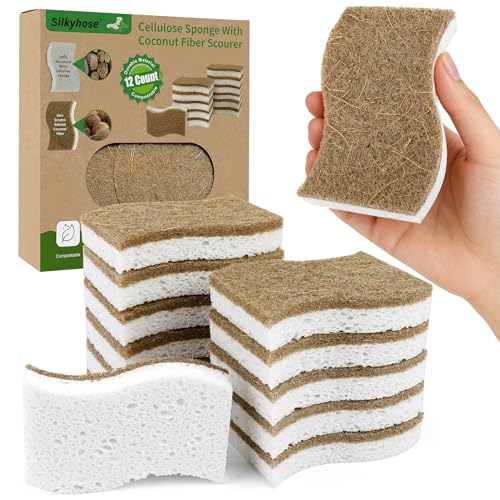
- Non-scratch sponge for wooden utensils
- Food-grade mineral oil for wooden utensils
- Dish soap (mild, phosphate-free)
- Clean towel or rack for drying


Before You Start
Prepare a clean, dry workspace and ensure the area is well-ventilated. Use warm water for rinsing, not boiling water, which can crack wood. Avoid soaking wooden spoons for long periods, as prolonged moisture can warp or split the wood. Plan about 5–15 minutes for routine cleaning, plus extra time for oil treatment when scheduled.
Step-By-Step: How To Clean Wooden Spoons
- Rinse off any loose food particles under warm running water.
- Apply a small amount of mild dish soap to a soft bristle cleaning brush for wooden spoons or a non-scratch sponge for wooden utensils.
- Gently scrub the spoon, paying attention to bowls and crevices where residue hides.
- Rinse thoroughly to remove all soap and loosened debris.
- Shake off excess water and pat dry with a clean towel, then place the spoon on a rack to air-dry completely.
- For routine maintenance, apply a thin coat of food-grade mineral oil for wooden utensils every few weeks or when the wood looks dry.
- Wipe away any excess oil and allow the spoon to cure for a few hours before use.
- Store spoons in a dry area, away from direct heat sources to prevent cracking.
Troubleshooting
| Symptom | Likely Cause | Fix | Prevention |
|---|---|---|---|
| Dry, cracking, or splitting wood | Infrequent oiling or long exposure to water | Apply food-grade mineral oil and avoid soaking | Oil every few weeks; dry thoroughly after washing |
| Discoloration or staining | Colored foods or insufficient cleaning | Use mild soap and a soft brush; consider paste of baking soda and water for stubborn stains | Rinse promptly after use of strong pigments |
| Mold or musty odor | Moist environment and lingering moisture | Thoroughly dry; wipe with vinegar solution if needed, then dry again | Store in a dry area; never leave wet |
| Uneven surface or warping | Prolonged exposure to water or heat | Dry completely; avoid dishwasher or soaking | Hand wash and air-dry fully |
Common Mistakes
- Soaking wooden spoons in water for extended periods
- Using harsh cleaners or abrasive scrubbers on finished wood
- Ignoring drying time, leading to warping or mold
- Skimping on periodic conditioning with mineral oil
Tips For Best Results
- Use a soft bristle cleaning brush for wooden spoons for delicate cleaning around bowls.
- Choose a non-scratch sponge for wooden utensils to avoid surface dulling.
- Condition spoons after many uses, especially if they appear dry or dull.
- Rotate spoon storage with good airflow to minimize moisture pockets.
- Test oil on a small area first to ensure it soaks evenly and does not leave a sticky residue.
Call A Professional
Consult a professional if wooden spoons show deep cracks, persistent odors after cleaning, or if staining refuses to lift despite proper care. Serious warping or structural damage may require replacement and a review of kitchen tools to prevent recurrence.
FAQ
How often should I oil wooden spoons?
Oil every few weeks or when the wood looks dry to maintain moisture balance and prevent cracking.
Can I put wooden spoons in the dishwasher?
Avoid the dishwasher; high heat and prolonged moisture can damage wood.
What oil is safe for wooden utensils?
Food-grade mineral oil is a safe, odorless option that absorbs well without rancidity.
How can I remove odors from wooden spoons?
Wash with mild soap, rinse thoroughly, and condition with mineral oil; for stubborn odors, wipe with a diluted vinegar solution and dry completely.
Buying Guide
Choosing the right cleaning approach for wooden spoons involves several factors. Consider size and weight, as larger spoons may need more thorough cleaning but can be heavier to handle. Noise level is not a concern for cleaning tools, but select brushes and sponges that perform well without scratching wood. Energy efficiency is irrelevant here, but durability matters; opt for high-quality soft bristle cleaning brushes for wooden spoons and non-scratch sponges that won’t wear down quickly. For maintenance, use food-grade mineral oil for wooden utensils to extend life. Place cleaned spoons in a dry, well-ventilated area to prevent moisture buildup. Assess ease of cleaning: tools that lift out residue easily reduce scrubbing time and preserve the wood’s finish. If space is limited, consider compact organizers that keep spoons elevated for air circulation. Finally, ensure compatible cleaning products are safe for wooden materials and do not leave sticky residues. Consistent care yields wooden spoons that stay functional and attractive for years.
Leave a Reply