How to Clean Windows Efficiently and Streak-Free
Cleaning windows can dramatically brighten a room and improve exterior curb appeal. With the right tools and a simple, repeatable method, anyone can achieve clear, streak-free panes without professional help. This guide outlines practical steps, safe practices, and gear choices tailored to American homes.
By following practical techniques and using the recommended tools, you’ll minimize drag marks, water spots, and residue. The emphasis is on consistency, proper surface prep, and choosing the right pole, squeegee, and cloths to suit your windows and climate.
Quick Answer
Best first move: remove loose dirt with a dry microfiber cloth, then apply a cleaning solution and wipe with a quality squeegee. Work from top to bottom in vertical or W-shaped strokes, drying the blade after each pass to avoid re-depositing grime. Finish with a dry microfiber towel for corners and edges.
What You’ll Need
To tackle most indoor and outdoor windows, assemble these common tools and supplies. The list below features the key items that appear in typical window cleaning kits.
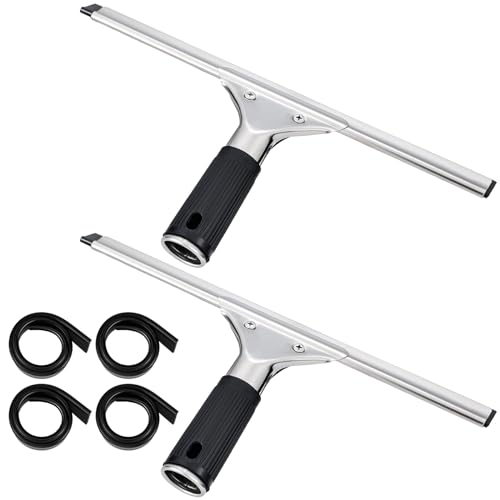
- 12 inch rubber blade window squeegee streak-free professional — primary tool for bulk cleaning and streak control
- telescoping window cleaning pole 24 ft extension pole — reaches high or difficult panes without ladders
- window cleaning kit microfiber cloths spray bottle squeegee replacement blades — cleaning solution delivery, blotting, and blade upkeep


Before You Start
Preparation sets the tone for a smooth, streak-free result. Choose a cloudy day or shade to avoid rapid drying that can leave marks. Protect surrounding surfaces and plants, and test a small area on a corner first to ensure the cleaning solution won’t damage coatings. Safety first: use a stable ladder or extendable pole, and never lean out too far. A typical window cleaning session for an average home takes 30–60 minutes per level, depending on pane size and frames.
Step-By-Step: How To Clean Windows
- Dust or dry wipe the window frame and sill to remove loose dirt and prevent mud from spreading during washing.
- Prepare a cleaning solution in a spray bottle or use a ready-made window cleaner. For outdoors, you may dilute a mild soap with water for tough grime.
- Apply the solution generously to the glass from top to bottom, allowing it to saturate but not run heavily at edges.
- Hold the 12 inch rubber blade window squeegee streak-free professional at a slight angle and begin at the top corner. Use long, even strokes down the pane.
- Wipe the blade with a clean cloth after each pass to prevent re-depositing dirt onto the glass.
- Move in vertical sweeps or a W-pattern, ensuring full coverage of each section. Overlaps help avoid missed spots.
- For edges and corners, use a microfiber cloth or the squeegee tip with a light touch to lift remaining moisture.
- If using a telescoping window cleaning pole 24 ft extension pole, extend gradually to reach high windows. Clean in sections, staying mindful of blade angle and coverage.
- Rinse the pane if you see soap residue. A second pass with a clean squeegee blade reduces streaks.
- Dry vertical edges and any drips with a dry microfiber cloth to prevent watermarks.
- Inspect the pane under bright light and touch up any remaining spots with a small microfiber cloth.
- Store tools dry and away from direct sun to preserve rubber blades and cloths.
Troubleshooting
| Symptom | Likely Cause | Fix | Prevention |
|---|---|---|---|
| Streaks after cleaning | Drying too quickly; dirty blade | Wipe blade clean; use a damp cloth to re-wipe | Use a higher-quality blade; work in shade |
| Residue on glass | Harsh cleaners or hard water deposits | Switch to a gentler cleaner; rinse thoroughly | Test cleaner on inconspicuous area first |
| Blade tearing or skipping | Old or worn blade; grit on glass | Replace blade; rinse when moving across panes | Keep bag or bucket free of grit; inspect blade regularly |
| Streaks along edges | Moisture trapped in corners | Finish with dry microfiber along edges | Use edge-friendly microfiber towels; avoid over-wetting frames |
Common Mistakes
- Using an excessively wet squeegee that floods the pane
- Starting with a dry blade on heavily soiled glass
- Not cleaning the blade frequently during a session
- Over-wetting sills and frames, causing drip stains
- Using abrasive cloths or rough surfaces on delicate glass
Tips For Best Results
- Work in cool, overcast conditions to avoid rapid drying that can leave streaks
- Spritz the glass lightly rather than saturating; let the cleaner do the work
- Keep a dedicated cloth for drying edges and corners to prevent re-wetting the glass
- Store cleaning tools upright and dry the blade after each use to extend life
- Test new blades or kits on a small pane before full use
Call A Professional
Consider a pro if you encounter these scenarios: multiple high or hard-to-reach panes, stubborn mineral deposits, or panes encased in old or damaged frames. If you notice gel-like streaks that don’t respond to standard cleaning or if you lack a stable setup to reach exterior windows, a window cleaning service can provide a thorough, safe solution.
FAQ
What is the best window cleaning technique for beginners?
Start with a light cleaning solution, use a quality squeegee, and work from top to bottom with even strokes, finishing with a dry microfiber wipe.
How often should I clean interior vs exterior windows?
Interior panes typically benefit from monthly cleaning, while exterior windows may need cleaning every 1–3 months depending on climate and exposure.
Can I clean windows on a rainy day?
Avoid cleaning when rain is likely to quickly re-soil freshly cleaned panes; choose a calm, dry day for best results.
Do I need special tools for tiled or textured windows?
Use softer microfiber pads and a flexible squeegee head to adapt to irregular surfaces; test on a small area first.
Is it safe to use household cleaners on all window types?
Most standard glass cleaners are safe for common glass, but avoid harsh solvents on delicate or specialty coatings without checking manufacturer guidelines.
Should I use distilled water for cleaning?
Distilled water can reduce mineral spots in hard water environments; it’s optional but helpful in areas with mineral-rich water.
Buying Guide
When selecting window cleaning gear, consider size, noise, energy use (if powered), and ease of use. A 12 inch rubber blade window squeegee streak-free professional pairs well with a long-reaching tool like the telescoping window cleaning pole 24 ft extension pole for multi-story homes. A complete window cleaning kit microfiber cloths spray bottle squeegee replacement blades setup ensures you have wipes, blades, and spray mechanisms at hand. For most households, a versatile kit with an adjustable pole, a high-quality squeegee, and soft microfiber cloths balances cost, performance, and longevity. Look for:
– Size and reach: Choose a squeegee width that matches your typical pane size, and a telescoping pole that safely clears exterior windows from ground level.
– Noise and smoothness: Rubber blades that glide quietly across glass reduce noise and drag, especially in living areas.
– Energy efficiency and maintenance: Manual systems have minimal energy use; replace worn blades and cloths regularly to maintain efficiency.
– Controls and ergonomics: Ergonomic handles and comfortable grip improve control during longer cleaning sessions.
– Placement: Consider interior vs exterior use, storage space, and whether you need a pole for hard-to-reach windows above entryways or over decks.
– Compatibility: Ensure blades and cloths fit your squeegee and cleaning kit; replacement blades should be easy to source.
– Weather compatibility: For outdoor windows, choose materials that resist sun exposure and temperature changes.
Leave a Reply