How to Clean Windows Without Squeegee
Cleaning windows without a squeegee is a practical skill for quick refreshes and tight spots. With the right tools and technique, you can achieve streak-free results using microfiber cloths, mitts, and spray bottles. This guide outlines a simple, effective method suitable for homes and offices across the United States.
Quick Answer
Mix a simple cleaning solution, apply with a microfiber cloth or sponge, wipe in a crisscross pattern, then buff with a dry microfiber cloth for a streak-free finish. For tough spots, use a microfiber mitt and extendable pole to reach high or awkward panes.
What You’ll Need
- Microfiber window cleaning cloths 16×16 inches streak-free
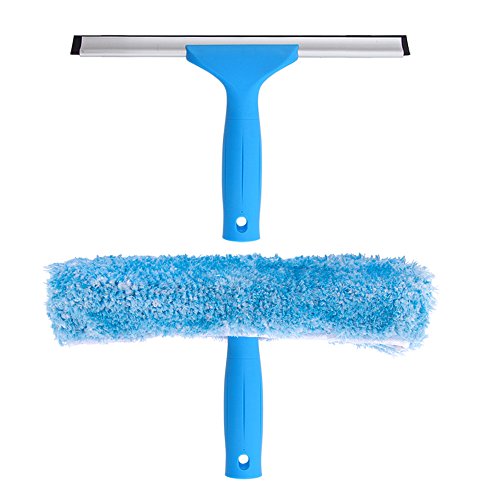
- Window cleaning kit microfiber mitt spray bottle extendable pole
- Glass cleaning sponge and microfiber towel set for windows


Before You Start
Prepare a clear workspace and protect floor coverings from drips. A simple, effective cleaning solution is equal parts distilled water and white vinegar, or use a commercial window cleaner. Always test a small area first to prevent staining. Expect 20–40 minutes for a typical 2–3 pane window, depending on size and height. Take care with tall or hard-to-reach windows and use a stable ladder or extension pole as needed.
Step-By-Step: How To Clean Windows Without Squeegee
- Assemble your kit: microfiber cloths, the window cleaning mitt, sponge, spray bottle, and extendable pole if needed.
- Dust or wipe loose debris from the frame and sill to avoid transferring grit to the glass.
- Spray the cleaning solution onto the window or onto a microfiber cloth to prevent overspray on adjacent surfaces.
- Wipe in a horizontal, then vertical motion with a microfiber cloth or sponge to lift dirt and moisture.
- Use a second clean microfiber cloth to buff the glass, working in circular motions for a streak-free finish.
- For stubborn spots, switch to a microfiber mitt and spray lightly, then wipe with the mitt using overlapping strokes.
- If height is an issue, attach the cloth to an extendable pole and reach the upper panes without a ladder.
- Rinse the cloth frequently and wring out well to avoid pooling water on the glass.
- Finish with a final pass using a dry microfiber cloth to remove any remaining moisture and enhance shine.
- Inspect from different angles; touch up any remaining streaks with a dry cloth or new microfiber pad.
- Clean tools after use and lay them out to dry to prevent mildew or odor buildup.
Troubleshooting
| Symptom | Likely Cause | Fix | Prevention |
|---|---|---|---|
| Streaks appear after drying | Residue from cleaner or dirty cloth | Switch to a fresh microfiber cloth and ensure the glass is fully wiped | Rinse cloths frequently; avoid over-wetting |
| Cloudy look on dark glass | Excess moisture or mineral deposits | Buff with a dry cloth in a circular motion | Use distilled water or a vinegar-based solution |
| Granules or grit on glass | Dirt trapped in cloth or sponge | Rinse cloths or sponge between sections and re-wipe | Pre-clean the frame to remove loose grit |
| Cannot reach upper panes | Height limitation | Use extendable pole or foldable ladder with a helper | Never overextend beyond safe reach |
Common Mistakes
- Using paper towels or non-microfiber fabrics that leave lint
- Over-wetting the glass and letting large pools form
- Wiping in circles only, which can miss edges
- Neglecting to wipe the edges and sills, causing recontamination
Sticking to microfiber materials and maintaining a clean workflow helps avoid these pitfalls and keeps panes crystal clear.
Tips For Best Results
- Work in shade or on cool, overcast days to prevent rapid drying that causes streaks
- Pre-wet the cloth with solution, then wring well before each pass
- Use a dedicated cloth for initial cleaning and a separate one for buffing
- Keep a small amount of solution on the glass for stubborn spots, then re-wipe
Call A Professional
Call a professional window cleaner if glass is damaged, heavily stained, or panes are oversized and unsafe to reach. Seek help for high-rise windows, thermally insulated units, or windows with delicate coatings.
FAQ
Can I use plain water to clean windows without a squeegee?
Plain water can work for light dirt, but a small amount of cleaner or vinegar improves grit lifting and helps prevent streaks.
What kind of microfiber cloth works best?
Look for lint-free, dual-texture microfiber cloths designed for glass and streak-free results.
Is an extendable pole necessary?
An extendable pole helps reach high or tall windows safely without ladders.
How often should I clean windows without a squeegee?
Clean high-traffic windows every 2–4 weeks; deeper cleaning can be monthly or seasonally depending on environment.
Buying Guide
When selecting tools for cleaning windows without a squeegee, consider size, material, and practicality. Look for microfibre cloths that are genuinely lint-free and designed for glass. A dedicated window cleaning kit with a microfiber mitt and extendable pole can simplify tall or awkward panes. Choose a spray bottle with a comfortable trigger and a nozzle that allows fine mist control. For best results, pair a sponge and microfiber towel set with the cloths and mitt to cover different tasks—from scrubbing to final buffing. Consider a set that includes multiple cloths in varying textures to handle dirt and polish efficiently.
How do you compare different bundles? Think about coverage (more cloths mean faster work), replacement availability, and overall convenience. If you often clean large windows, a kit with an extendable pole provides clear value. For small apartments, a compact microfiber cloth set may be sufficient. Always verify that materials are machine-washable and safe for glass surfaces.
Leave a Reply