How to Clean Wild Mushrooms
Wild mushrooms can add unique flavor and texture to dishes, but cleaning them safely requires care to preserve their delicate structure. This guide explains practical, no-fuss methods for cleaning wild mushrooms while minimizing waste and flavor loss.
Whether you forage from forests or buy locally foraged varieties, the cleaning process should remove dirt without damaging the mushroom’s surface. The steps below cover common types found in American forests and markets, along with simple tools to make cleaning efficient and safe.
Quick Answer
Gently wipe off soil with a dry cloth or brush, trim the stems as needed, and rinse only if absolutely necessary. Use a soft brush for fragile mushrooms and a mushroom washing basket or wash bag to help rinse and drain efficiently. Dry thoroughly before cooking.
What You’ll Need
The following tools and materials are recommended for most wild mushroom cleaning tasks:
- mushroom cleaning brush nylon bristles wood handle
- soft bristle mushroom brush for wild mushrooms
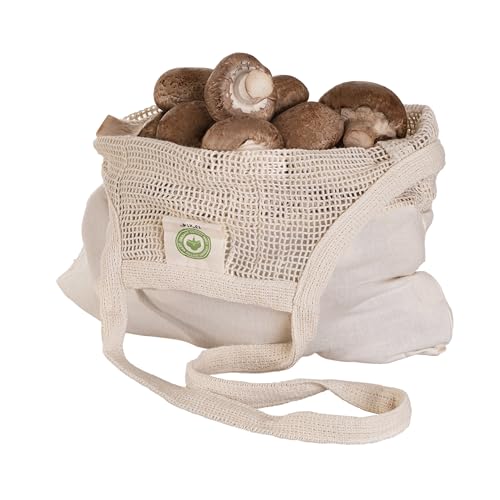
- mushroom washing basket produce wash bag

Before You Start
Inspect mushrooms for spoilage and avoid mushrooms that are slimy or discolored. Work in a clean, dry area to prevent contamination. For fragile mushrooms, handle gently to prevent bruising. Time estimate: 5–15 minutes per batch, depending on quantity.
Safety note: Some wild mushrooms are toxic. If you are unsure about a specimen, do not consume it. Wash hands after handling any wild fungi and keep foraged mushrooms separate from other foods until cleaned.
Step-By-Step: How To Clean Wild Mushrooms
- Inspect each mushroom for damage and remove any obvious dirt by brushing with a dry brush.
- Gently wipe caps and stems with a damp cloth if needed, avoiding soaking the mushrooms.
- For more stubborn dirt, use a soft bristle mushroom brush for wild mushrooms to lift soil from the gills and crevices.
- Trim the very bottom of the stem if it is dry or hardened, taking care not to waste edible portions.
- If you must rinse, do so briefly under cold running water using the mushroom washing basket or wash bag to control water exposure.
- Shake off excess water and spread mushrooms on a clean towel to air-dry for 5–10 minutes.
- Pat gently with a paper towel to remove remaining moisture before cooking or storage.
- Store cleaned mushrooms in a breathable container or in a lightly ventilated bag to prevent moisture buildup.
- Label batches if you forage different species to ensure proper identification for future reference.
- For dried or preserved mushrooms, follow appropriate rehydration steps before cooking.
- Clean any tools used during the process and air-dry brushes completely to prevent mold growth.
- Dispose of any questionable mushrooms and wash the work area after completing the cleaning process.
Troubleshooting
| Symptom | Likely Cause | Fix | Prevention |
|---|---|---|---|
| Mushrooms feel slimy after cleaning | Excess moisture and poor drying | Pat dry thoroughly and air-dry completely before storage | Limit rinsing and dry promptly |
| Colors fading or spots appearing | Bruising or overexposure to water | Use dry brushing and minimal water only | Handle gently and dry promptly |
| Gills clogged with dirt | Soil lodged in crevices | Use a soft brush to loosen debris | Clean in stages and avoid excessive pressure |
| Mushrooms collapse after washing | Over-wetting and bruising | Dry promptly with towel and air-dry | Limit water contact; dry quickly |
Common Mistakes
- Over-soaking mushrooms in water, which dulls texture and flavor
- Using harsh brushes on delicate caps or gills
- Rinsing all varieties the same way without considering fragility
- Storing damp mushrooms, which accelerates spoilage
Tips For Best Results
- Choose a soft brush for fragile mushrooms to prevent damage
- Clean in a single layer to avoid crushing delicate specimens
- If foraging multiple species, keep a dedicated brush for each type to prevent cross-contamination
- Air-dry mushrooms on a clean surface before refrigerating or cooking
- Label stored batches with date and mushroom type for safe usage later
Call A Professional
Consult a professional for foraged mushrooms if any specimen appears moldy, has unusual odor, or shows signs of spoilage beyond normal aging. Seek expert advice for identifying edible versus poisonous types when foraging in unfamiliar areas.
FAQ
How should I clean wild mushrooms without using water?
Use a dry or slightly damp cloth or a soft brush to remove dirt without soaking, which helps preserve texture and flavor.
Can I soak mushrooms to clean them thoroughly?
Solely in cases of heavy soil on sturdy varieties; otherwise avoid soaking to prevent water absorption.
What is the best way to dry mushrooms after cleaning?
Pat dry with a clean towel and allow air-drying on a rack or clean surface until completely dry.
Are my mushrooms safe to eat after cleaning?
Assuming there are no signs of spoilage, proper cleaning and drying make them safe to cook and enjoy. When in doubt, discard.
Buying Guide
When selecting cleaning tools for wild mushrooms, consider size, material, and ease of use. A sturdy mushroom cleaning brush with nylon bristles and a wood handle provides durability and good leverage for stubborn dirt. A soft bristle brush protects delicate caps and gills, perfect for fragile mushrooms. A mushroom washing basket or produce wash bag helps rinse and drain without soaking.
Key buying factors include:
- Size and grip comfort for prolonged cleaning sessions
- Brush stiffness appropriate for mushroom type without damaging surfaces
- Breathability and moisture management in washing baskets or bags
- Ease of cleaning and drying of tools themselves
- Durability of materials and resistance to staining from dirt
For best results, pair a soft brush for delicate varieties with a dedicated washing bag for controlled rinsing. Consider keeping separate brushes for different mushroom types or for foraged batches to avoid cross-contamination. Proper storage and drying of both mushrooms and tools extend usability and maintain cleanliness.
Leave a Reply