How to Clean Wicker Baskets Safely and Effectively
Wicker baskets add charm and practicality to any room, but their porous weaving can trap dust, dirt, and grime. This guide provides practical steps to clean wicker baskets using available tools and common household items, while minimizing damage to the weave.
With the right approach, wicker can be refreshed without harsh chemicals or aggressive scrubbing. The methods here are designed for typical household baskets, including those made from rattan, reed, or natural fibers.
Quick Answer
Best quick approach: dry brush to remove surface dust, then use a soft brush and microfiber cloth dampened with a mild cleaning solution. For stubborn stains, spot-clean with a gentle detergent and rinse carefully. Always dry thoroughly to prevent mold.
What You’ll Need
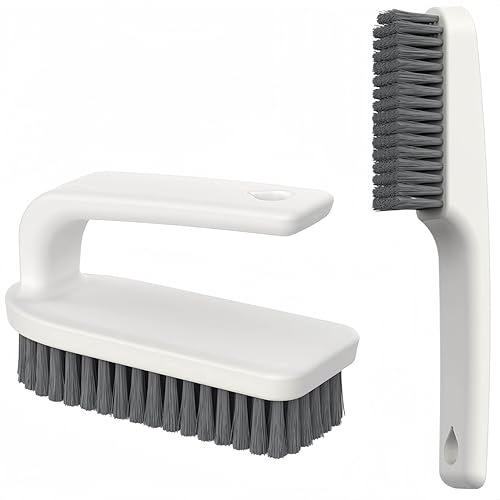
- wicker basket cleaning brush soft bristle
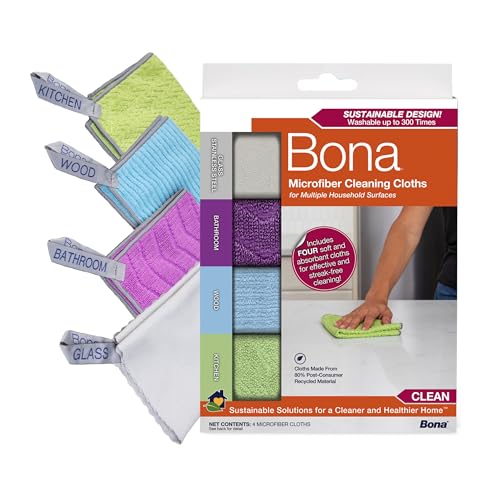
- microfiber cleaning cloth for wicker basket dusting
- handheld vacuum brush attachment for wicker cleaning

Before You Start
Before cleaning, inspect the basket for loose fibers or broken weave. Avoid soaking wicker baskets, which can warp or weaken the material. Choose a well-ventilated area and lay down a protective mat. Estimate 15–30 minutes for completion depending on size and level of dirt.
Step-By-Step: How To Clean Wicker Baskets
- Remove any contents and shake the basket gently to dislodge loose debris.
- Use a soft bristle brush to sweep across all surfaces, including inside the weave and crevices.
- For dust buildup in tight gaps, switch to a handheld vacuum brush attachment and run along the weave.
- Lightly dampen a microfiber cleaning cloth with water or a mild cleaning solution. Wring thoroughly to prevent excess moisture.
- Wipe the exterior first, then carefully clean the interior, working with the weave rather than against it.
- For stains, mix a drop of mild dish soap with warm water, apply to a cloth, and gently blot the affected area. Avoid scrubbing.
- Rinse the cloth and wipe away any soap residue. Do not soak the basket; use barely damp cloths as needed.
- Allow the basket to air dry in a well-ventilated area, turning it occasionally to ensure even drying.
- If fading or dullness appears, consider a light conditioning with a fabric-safe conditioner designed for natural fibers after drying, following product instructions.
- Inspect once dry for any loose or frayed fibers and address them promptly to prevent further damage.
- Return items to the basket once fully dry and upright to preserve shape.
Troubleshooting
| Symptom | Likely Cause | Fix | Prevention |
|---|---|---|---|
| Streaks after cleaning | Excess moisture or soap residue | Wipe with a dry microfiber cloth and air dry completely | Use minimal moisture and rinse thoroughly |
| Stubborn grease stains | Oil-based residue | Blot with a small amount of mild detergent; avoid harsh solvents | Spot-clean promptly |
| Weave fibers loosening | Over-wetting or rough cleaning | Limit moisture; use light strokes | Clean with gentle tools and avoid aggressive scrubbing |
| Color fading | Sun exposure during drying | Dry in shade or indirect light | Protect from prolonged direct sun |
Common Mistakes
- Soaking wicker baskets in water or cleaning solutions
- Using abrasive brushes or harsh chemicals
- Scrubbing against the weave, causing fibers to loosen
- Drying in direct heat or sun, which can warp or dry out fibers
Tips For Best Results
- Dust wicker baskets weekly with a soft brush to prevent buildup.
- Test cleaning products on a small area before full application.
- Store cleaned baskets in a dry, ventilated space to avoid mold growth.
- Use a combination of brush, vacuum, and microfiber cloth for thorough cleaning.
- Rotate the basket during drying to maintain shape and prevent warping.
Call A Professional
Consider professional help if the wicker shows extensive damage, significant structural loosening, or mold growth that cannot be cleaned safely at home. Seek a restoration specialist for delicate antiques or high-value pieces.
FAQ
Can I use soap and water on wicker?
Yes, a mild soap solution applied with a damp cloth is generally safe, but avoid soaking and ensure thorough drying.
How often should I clean wicker baskets?
Light weekly dusting plus a deeper clean every few months, depending on use and exposure to dirt.
Is there a risk of mold after cleaning?
If moisture remains, mold can develop. Always air-dry completely in a ventilated area.
What about scented cleaners?
Prefer unscented or mild cleaners to avoid discoloration or odor buildup in natural fibers.
Can I restore color or shine?
Light conditioning can help after drying, but avoid heavy coatings that may attract dust.
Should I use a sealant on wicker?
Generally not; sealing can alter the texture and breathability of natural fibers. Consult product guidelines for sensitive pieces.
Buying Guide
When choosing cleaning tools for wicker, consider how each factor affects effectiveness and safety. A balanced combination of brushing power, gentle moisture, and effective dust removal is ideal for most households.
Size and shape: Smaller baskets are easier to handle; larger baskets may require a handheld vacuum attachment for thorough cleaning.
Noise level: Soft-bristle brushes and microfiber cloths operate quietly, making regular cleaning unobtrusive.
Energy efficiency: Manual tools use no energy; powered options (like handheld vacuums) should be energy-conscious with efficient motors.
Controls and ergonomics: Look for comfortable grips and attachments that fit easily into basket crevices.
Placement considerations: Drying areas should be away from direct heat sources and sunlight to prevent warping or fading.
When comparing products, prioritize gentle, non-abrasive options and a complete system that includes a soft brush, a microfiber cloth, and a soft vacuum attachment for versatile cleaning.
Leave a Reply