How to Clean a White Leather Sofa
Keeping a white leather sofa looking pristine can be a challenge, but with the right approach and the right products, it’s manageable. This guide walks American users through safe cleaning methods, essential tools, and practical tips to maintain the sofa’s beauty for years to come.
The goal is to remove stains, prevent discoloration, and protect the leather’s natural surface. The steps below emphasize gentle cleaning, timely stain treatment, and routine maintenance suitable for most household environments.
Quick Answer
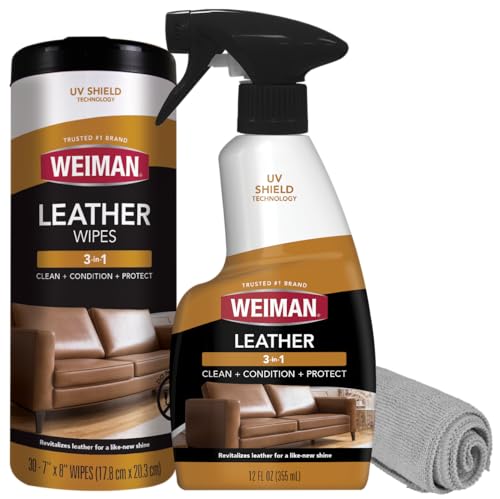
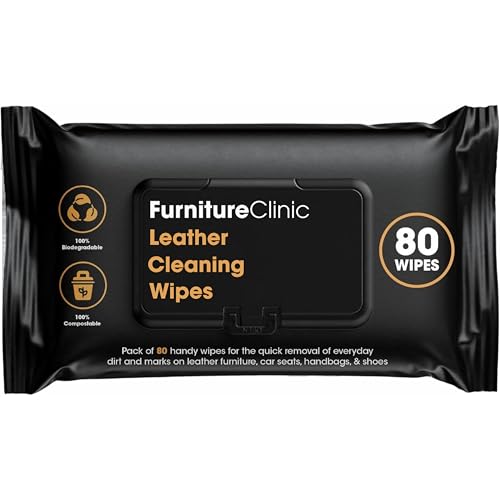
For most stains, start with a light wipe using a leather cleaning wipes for white sofa or a microfiber cleaning cloth set for leather couch, then finish with a conditioner. Use a leather sofa cleaner kit with conditioner and protectant for deeper cleaning and ongoing protection. Always test a small, hidden area first.
What You’ll Need
- Leather sofa cleaner kit with conditioner and protectant
- Leather cleaning wipes for white sofa
- Microfiber cleaning cloth set for leather couch
- Soft brush or sponge
- Gloss-free conditioner designed for leather
- Optional protective spray or sealant recommended by the kit

Before You Start
Before tackling stains, check the sofa’s label for care instructions and confirm leather type (aniline, semi-aniline, or corrected grain) because some finishes react differently to cleaners. Work in a well-ventilated area and test products on a discreet spot. Avoid harsh chemicals, ammonia-based cleaners, and bleach, which can damage finish and cause discoloration. Plan for a cleaning session that fits a few hours, including drying time between steps.
Step-By-Step: How To Clean White Leather Sofa
- Gently remove loose debris with a dry microfiber cloth to prevent rubbing grit into the surface.
- Apply a small amount of leather cleaner from the kit to a microfiber cloth, then wipe in a circular motion across the stained area.
- If a stain persists, use a slightly damp cloth (water only or a kit-recommended solution) and blot—do not rub—to lift the stain.
- Wipe with a clean, dry microfiber cloth to remove moisture and residues.
- Apply a thin layer of leather conditioner as directed by the product, ensuring even coverage. This replenishes oils and helps prevent cracking.
- Allow the conditioner to dry fully, then buff lightly with a dry cloth to restore the leather’s sheen.
- Use the protectant included in the kit if recommended, applying evenly to create a light barrier against future spills.
- For spills, blot immediately with a clean cloth, then repeat cleaning steps if needed. Prompt action minimizes staining.
- Schedule monthly maintenance with the conditioner and optional protectant so the leather maintains suppleness and color.
- Store cleaning supplies out of direct sunlight and away from heat sources to avoid drying or warping leather fibers.
- Document any persistent discoloration or cracking and consider professional guidance if concerns arise.
Troubleshooting
| Symptom | Likely Cause | Fix | Prevention |
|---|---|---|---|
| Stain remains after cleaning | Older or set-in stain | Repeat cleaning with gentle solution; consider professional treatment | Address spills immediately; perform routine conditioning |
| Leather feels sticky after cleaning | Excess cleaner or waxy residue | Wipe with a clean damp cloth, then dry thoroughly | Use minimal product and follow instructions |
| Discoloration or uneven tone | Sun exposure or improper products | Evenly recondition and, if needed, consult a professional for color restoration | Keep away from direct sunlight; test products first |
| Cracking or fading | Leather aging or harsh cleaners | Apply a high-quality leather conditioner; avoid aggressive agents | Regular conditioning schedule; use approved protectant |
Common Mistakes
- Using household soap or dish detergents on leather
- Over-wetting the surface or soaking seams
- Rubbing vigorously, which can scratch or wear down the finish
- Neglecting conditioning and protection after cleaning
- Ignoring test patches on hidden areas
Tips For Best Results
- Clean spills immediately to minimize staining and staining spread.
- Test any new product on a hidden area before full use.
- Use a microfiber cleaning cloth set for leather couch for gentle, lint-free cleaning.
- Condition at regular intervals to maintain softness and color integrity.
- Avoid direct heat sources; let the leather dry naturally to prevent cracking.
Call A Professional
Consider a professional service if the leather shows deep cracking, color fading beyond routine maintenance, or large persistent stains. Stop signs include: extensive peeling, suspicion of dye transfer from clothing, or any repair needs beyond surface cleaning. A pro can assess finish type and recommend appropriate refinishing or color matching without compromising the leather’s integrity.
FAQ
Is it safe to use water on a white leather sofa?
Yes, provided it is sparing and paired with a mild cleaner or the kit’s recommended solution. Blot rather than rub to prevent water staining.
How often should I condition a white leather sofa?
Condition every 3–6 months, or per the kit’s instructions, to keep the leather supple and protected.
Can I use baby wipes on a white leather sofa?
Baby wipes are not designed for leather care and may contain additives that harm the finish. Use dedicated leather wipes or cleaners.
What if the color changes after cleaning?
Color changes can result from improper cleaners or sun exposure. Recondition and consider professional color correction if needed.
Are there any fabrics or finishes to avoid?
Avoid solvent-based cleaners, bleach, ammonia, and harsh abrasives that can damage finishes.
Buying Guide
When choosing products to care for a white leather sofa, consider the following factors:
- Size and coverage: Ensure the cleaner kit and conditioner provide enough quantity to cover your sofa size and avoid run-out mid-clean.
- Noise level and ease of use: Look for spray bottles, wipes, or cloths that are easy to apply without messy overspray.
- Energy efficiency is less relevant for cleaning supplies, but using efficient, multi-purpose products reduces waste and handling time.
- Controls: Prefer products with simple, clearly labeled directions and safety notes. A kit with a conditioner, cleaner, and protectant offers streamlined maintenance.
- Placement: Store cleaning supplies away from heat and sunlight; near the sofa but out of children’s reach for quick access during stains.
- Material compatibility: Confirm that cleaners are formulated for leather (specifically semi-aniline or corrected grain finishes) to avoid damage.
- Color-friendly formulas: Look for pH-balanced formulas that preserve color, especially important for white leather prone to yellowing from residues.
- Test patches and instructions: Choose products that include clear patch-testing guidance to prevent accidental damage.
With these considerations, homeowners can maintain a bright, fresh appearance while protecting the leather’s longevity. Regular cleaning, careful stain management, and proper conditioning are the keys to lasting satisfaction with a white leather sofa.
Leave a Reply