How to Clean White Granite Countertops Safely and Effectively
White granite countertops add a timeless, bright look to kitchens and baths. Proper cleaning preserves their color, luster, and resistance to stains. This guide covers practical steps, recommended products, and best practices for keeping white granite pristine without damaging the surface.
Quick Answer
Use a pH-neutral cleaner or a granite-safe cleaning kit, wipe with a microfiber cloth, and seal periodically to protect against stains. Avoid acidic cleaners, abrasive pads, or ammonia-based formulas that can dull the stone’s finish.
What You’ll Need
- Granite countertop cleaning kit
- Granite sealer kit for countertops
- Microfiber cloth for granite countertops
- Spray bottle with distilled water (optional for rinsing)
- Soft sponge or non-abrasive scrub pad
- Mild pH-neutral cleaner designed for stone
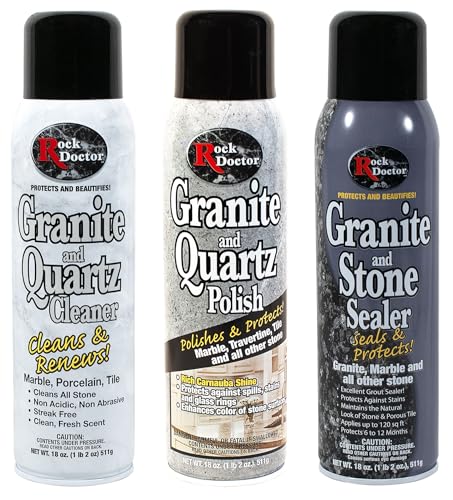


Before You Start
Prepare a clean, clutter-free workspace. Protect adjacent surfaces with a damp towel to catch drips. Test cleaners in a small, inconspicuous area before full use to ensure no discoloration. Allow time for any cleaner to sit on the surface if the label recommends it. Typical cleaning sessions take 10–15 minutes. For sealing, plan for a separate, thorough session following the sealer’s instructions.
Step-By-Step: How To Clean White Granite Countertops
- Clear the countertop of items and wipe away loose crumbs with a dry microfiber cloth.
- Spray a small amount of pH-neutral cleaner onto the surface or onto the microfiber cloth; avoid saturating the granite.
- Gently wipe in circular motions, paying attention to stains or oil residues near the sink and range.
- If a stain persists, apply a small amount of cleaner and let it sit for a few minutes before wiping away.
- Rinse the area with a lightly damp microfiber cloth to remove any cleaner residue.
- Dry the countertop with a clean, dry microfiber cloth to prevent water spots and mineral deposits.
- Inspect for haze or streaks; buff with a dry cloth to restore shine.
- Apply granite sealer as recommended by the sealer kit if sealing is due; follow labels for cure time and ventilation requirements.
Troubleshooting
| Symptom | Likely Cause | Fix | Prevention |
|---|---|---|---|
| Cloudy or hazy appearance | Soap residue or hard water minerals | Wipe with a damp microfiber cloth and dry completely | Rinse with distilled water and dry after cleaning |
| Streaks after cleaning | Residue from cleaner or polishing products | Buff with a dry cloth; use only granite-safe products | Use a dedicated granite cleaner |
| Discoloration after acidic spill | Acid reaction (lemon, vinegar, wine) | Gently blot and rinse; avoid acids in future | Immediately wipe acidic spills with water and cloth |
| Rough texture or dull finish | Overly aggressive scrubbing or wrong cleaner | Switch to a neutral cleaner and soft pad | Follow product directions closely |
Common Mistakes
- Using acidic or abrasive cleaners that etch the granite surface
- Ignoring spills that can leave stains or mineral deposits
- Over-wetting granite during cleaning, which can seep into edges
- Skipping sealant reapplication after the sealer’s recommended interval
Tips For Best Results
- Wipe spills immediately, especially oil, wine, and citrus, to prevent staining.
- Use a dedicated microfiber cloth to avoid introducing grit that can scratch.
- Limit water exposure around seams and underbar areas to prevent moisture buildup.
- Schedule regular sealing based on the sealer’s instructions and the countertop’s porosity.
- Store granite-safe cleaners in a labeled spray bottle for quick touch-ups.
Call A Professional
Consider calling a pro if the granite shows deep staining, pencil-thin cracks, or if sealing tasks require specialized equipment. Stop work and consult a countertop specialist if you notice sustained discoloration after cleaning, or if granite edges appear loose or cracked.
FAQ
Can I use dish soap on white granite?
Dish soap is not ideal for routine cleaning. It can leave residues over time. Use a pH-neutral, stone-safe cleaner instead.
How often should I seal white granite countertops?
Most installations benefit from sealing every 1–3 years, depending on usage, porosity, and sealer type.
What should I do about hard water spots?
Wipe with a cloth dampened with distilled water, then dry thoroughly to prevent mineral buildup.
Is a granite cleaning kit necessary?
A kit provides purpose-built cleaners and seals that are formulated for stone, making maintenance easier and safer.
Can I use microfiber cloths for every cleaning?
Yes. Microfiber cloths reduce scratching and pick up more dirt with less product than cotton.
Are there safe polishing steps for granite?
A dedicated granite polish can be used sparingly after cleaning; avoid wax-based products that can dull the surface.
Buying Guide
Choosing the right tools and products helps maintain white granite effectively. Consider these factors to balance performance, convenience, and cost:
Key Buying Factors
- Size and scope: Select a granite countertop cleaning kit that covers the size of your counters and the number of uses anticipated.
- Noise level and ease of use: Look for simple spray-and-wipe systems or kit components designed for quick, quiet operation.
- Water and energy efficiency: Favor kits with water-efficient spray bottles and energy-saving features in sealers that cure at room temperature.
- Controls and indicators: Choose products with clear labels, safety data, and cure-time guidance to prevent misapplication.
- Surface compatibility: Ensure cleaners are pH-neutral and explicitly designed for granite or natural stone.
Product Perspectives
- Granite countertop cleaning kit: Core components for cleaning and maintaining a bright white surface.
- Granite sealer kit for countertops: Essential for protecting pores from stains and spills.
- Microfiber cloth for granite countertops: Reusable, lint-free cloths that reduce scratching and streaking.
With the right routine, white granite countertops stay radiant and durable for years. Think through your daily and weekly cleaning needs, pick compatible products, and follow sealant schedules to maintain their bright, seamless appearance.
Leave a Reply