How to Clean Wheat Timbs
Wheat Timberlands, often called “wheat timbs,” are a staple for outdoor and casual wear. Cleaning them properly helps preserve the leather, suede, and overall appearance. This guide provides practical, field-tested steps to clean wheat Timberlands while protecting their color, texture, and longevity.
With the right tools and a calm approach, wheat timbs can look nearly new again. The process focuses on removing dirt, treating suede or nubuck areas, and safeguarding the leather from future stains.
Quick Answer
Brush away loose dirt, spot-clean stains with a mild cleaner suitable for nubuck or leather, apply a protective spray, and allow to air-dry away from direct heat. Use a dedicated nubuck/suede brush for textured areas and repeat as needed for stubborn spots.
What You’ll Need
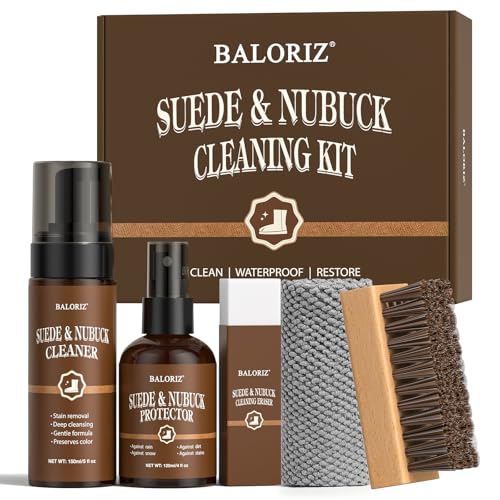
- Timberland boot cleaning kit nubuck suede brush conditioner
- leather nubuck boot cleaning kit spray protector Timberland
- boot cleaning brush set leather care kit suede nubuck

Before You Start
Prepare a clean workspace and place the boots on a dry towel. Test any cleaner on a hidden area first to ensure colorfastness. If the boots are heavily stained or water-damaged, consider professional cleaning. Time estimate: 20–60 minutes for a standard cleaning, plus drying time.
Critical cautions: Avoid soaking the boots; excess moisture can damage the leather and suede. Do not use harsh solvents or bleach. Always let leather dry naturally; avoid direct sunlight or heaters that can crack or warp the material.
Step-By-Step: How To Clean Wheat Timbs
- Remove laces and loosen any parts that can trap dirt. Brush off loose dirt with a nubuck/suede brush to expose stubborn surface stains.
- Apply a light, targeted cleaner designed for nubuck or leather. Use a cloth or soft brush to lift dirt gently, working in small circular motions on the leather portions and back-and-forth motions on suede areas.
- For tough stains, create a mild cleaning solution with warm water and a small amount of cleaner. Dampen a cloth, wring well, and blot the stain—avoid saturating the material.
- Rinse or wipe away any residue with a clean, damp cloth. Allow the boots to air-dry away from heat sources for 15–30 minutes.
- Revisit suede and nubuck areas with a nubuck brush to restore nap after they dry. For scuffed leather, apply a light conditioning balm according to product directions.
- Apply a protective spray formulated for leather and nubuck to guard against water and stains. Follow the product’s instructions for application distance and drying time.
- Re-lace the boots and check fit. If desired, reapply a second light coat of protection after the boots dry completely.
- Store the boots in a cool, dry place with tree-free packing material to maintain shape and prevent creasing.
Troubleshooting
| Symptom | Likely Cause | Fix | Prevention |
|---|---|---|---|
| Stubborn stains persist after cleaning | Deep-set dirt in nubuck | Spot-clean with a dedicated suede/nubuck cleaner, repeat steps | Clean promptly after use; wipe off dirt while still fresh |
| Color transfer or fading | Over-wetting or harsh cleaners | Use minimal moisture; test cleaners first; avoid aggressive products | Choose color-safe products and follow instructions |
| Water spots after rain | Insufficient protection | Apply protectant and allow full dry time before wear | Reapply protection after cleaning or exposure to moisture |
| Leather feels stiff after drying | Over-drying or lack of conditioning | Apply leather conditioner once dry | Condition periodically, especially in dry climates |
Common Mistakes
- Using bleach or strong solvents on wheat leather or nubuck
- Soaking boots with excess water, especially suede areas
- Rubbing aggressively, which can scuff leather and fray suede nap
- Skipping a drying period before wearing or applying protection
- Neglecting to test cleaners on a hidden area first
Tips For Best Results
- Work in a shaded area to prevent sun-related fading during cleaning and drying
- Use a dedicated nubuck/suede brush for textured surfaces to maintain nap
- Always air-dry, avoiding direct heat sources like hairdryers or radiators
- Re-treat with a protective spray after each major cleaning to extend life
- Store boots with shoe trees or rolled socks to preserve shape
Call A Professional
Consider a professional cleaning if boots have extensive salt stains, deep scuffs, or complete color loss. Stop and seek help if the leather shows cracking, deep water damage, or if the stitching is compromised. A pro can restore color balance and protect the leather effectively.
FAQ
Can I clean wheat Timbs in a washing machine?
No. Machine washing can damage leather and suede materials. Use hand cleaning methods described above.
Should I use conditioner after cleaning?
Yes, conditioning helps keep leather supple and prevents cracking after cleaning and drying.
How often should I clean wheat Timbs?
Clean as needed to remove dirt, with a light refresh of protection after heavy wear or exposure to moisture.
What if I don’t have a nubuck brush?
A soft-bristled brush or an old toothbrush can work temporarily, but a proper nubuck brush yields the best nap restoration.
Buying Guide
The buying guide helps compare essential factors when selecting cleaning and care products for wheat Timberlands. Consider the following:
- Size and shape of boots: Choose cleaners and brushes compatible with leather and nubuck surfaces, considering ankle height and sole type.
- Noise level and shipping practicality: Opt for compact, easy-to-store cleaning kits; check that everything fits in your cleaning space.
- Energy efficiency is less relevant for manual cleaning tools, but consider water use efficiency and minimal waste packaging.
- Controls and application: Look for spray protectants with even spray patterns and controlled dispensing to avoid oversaturation.
- Placement: Store products in a cool, dry spot away from direct sunlight to prevent deterioration of cleaners and brushes.
- Materials compatibility: Ensure cleaners and conditioners are safe for leather and nubuck; avoid products not labeled for these materials.
- Brand and compatibility: If you already own Timberland-approved care items, prioritize those labeled for nubuck and suede to maximize compatibility.
Keeping wheat Timbs clean is about patience and the right tools. Would you like more tailor-made recommendations based on your climate or staining patterns?
Leave a Reply