How to Clean Wax Off Toilet Flange
Cleaning wax from a toilet flange is a common DIY task that helps ensure a secure seal and prevent leaks. This guide provides a straightforward, step-by-step approach using common tools to remove wax buildup safely and effectively.
Quick Answer
Remove excess wax with a scraper tool, then use a plastic putty knife to lift stubborn bits. Clean the flange area with a cloth and warm, soapy water, wipe dry, and reassemble with a new wax ring if needed. For persistent residue, a dedicated flange scraper blade can help without damaging the flange.
What You’ll Need
- toilet flange wax ring scraper tool
- plastic putty knife for toilet wax ring removal
- toilet flange scraper blade removal tool
- old towels or rags
- gloves
- bucket and warm soapy water
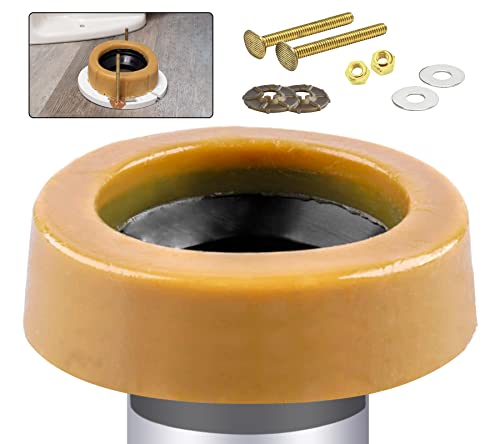
- new wax ring (if reinstalling)


Before You Start
Prepare the work area by turning off the water supply and flushing the toilet to remove as much water as possible. Mop up standing water and lay towels to protect the floor. Put on gloves to avoid skin contact with mildew or cleaning residues. Ensure the flange area is accessible and not damaged; if you detect cracks or corrosion, stop and assess professional help.
Time estimate: 20–40 minutes for the typical wax removal and inspection. If the toilet needs removal and reinstallation, plan for 1–2 extra hours or more depending on experience.
Step-By-Step: How To Clean Wax Off Toilet Flange
- Shut off the water supply and drain the tank. Flush to remove remaining water and mop up the bowl to minimize mess.
- Disconnect the toilet carefully and set it on its side on a towel-covered surface to access the flange.
- Use the toilet flange wax ring scraper tool to loosen and lift large chunks of wax around the flange.
- Switch to the plastic putty knife for toilet wax ring removal to gently pry away stubborn wax without scratching the flange or drain.
- Inspect the flange and remove all residual wax from the flange lips and surrounding area with the scraper blade removal tool if needed.
- Wipe the area with a warm, soapy cloth to remove grease and debris. Rinse and dry thoroughly to prevent corrosion or mold growth.
- Inspect the flange mounting bolts and seal surface for damage. If the surface is smooth and clean, you can reinstall with a new wax ring.
- Place a new wax ring on the flange according to the manufacturer’s instructions, or apply wax to the toilet horn as preferred.
- Reinstall the toilet, align evenly, and tighten bolts hand-tight, then snug with a wrench—avoid overtightening which can crack the flange.
- Reconnect water, flush test, and check for leaks around the base and wax ring area. Wipe away any drips and allow the area to dry fully before use.
- If leaks appear, inspect for misalignment or damaged flange and replace components as needed.
Troubleshooting
| Symptom | Likely Cause | Fix | Prevention |
|---|---|---|---|
| Persistent odor near flange | Wax not fully removed or mold buildup | Re-clean area with a mild cleaner and reseal | Clean thoroughly during service; dry completely |
| Water leakage after reinstall | Improper wax ring seating or cracked flange | Replace wax ring and inspect flange; reseal | Ensure flange is level and clean before reinstall |
| Toilet wobbles after reassembly | Uneven flange or misaligned bolts | Realign toilet and tighten bolts evenly | Check floor flatness and flange condition beforehand |
| Wax smeared onto bowl edge | Wax ring not properly positioned | Restart with correct wax ring placement | Follow manufacturer guidance precisely |
Common Mistakes
- Using metal tools that can scratch the flange or porcelain
- Rushing the wax removal, leaving residue that compromises the seal
- Over-tightening bolts during reinstallation, causing leaks or cracks
- Installing a damaged flange or incorrect wax ring size
Taking time to thoroughly clean and inspect the flange reduces the risk of future leaks and helps a seal last longer.
Tips For Best Results
- Work gradually: remove wax in layers to avoid damaging the flange.
- Keep the area dry during inspection to prevent rust or mold growth.
- Choose the right wax ring type for your drain size and toilet model.
- Have replacement bolts ready in case threads are corroded or damaged.
- Document bolt positions before removing the toilet to ease reinstall alignment.
Call A Professional
Consider professional help if you notice cracks in the flange, a severely corroded bolt, or repeated leaks after resealing. Stop and seek a plumber if:
- The flange is damaged or broken beyond simple repair
- There is persistent water intrusion despite correct installation
- Unfamiliar tools or persistently difficult access to the area
FAQ
What is the best tool to remove wax from a toilet flange?
The combination of a toilet flange wax ring scraper tool and a plastic putty knife for toilet wax ring removal covers most wax residue efficiently.
Can I reuse the existing flange after cleaning?
Usually yes, if the flange is undamaged and clean. Inspect for cracks or corrosion before reusing.
Should I replace the wax ring every time I clean the flange?
Not always, but it’s often recommended to replace the wax ring during reinstallation to ensure a proper seal.
Is it safe to DIY if the toilet needs removal?
Yes, with caution. Ensure you have a steady workspace, proper lifting technique, and a helper if the toilet is heavy.
What cleaning products are best for the flange area?
Warm water, mild soap, and a non-abrasive cloth work well; avoid harsh chemicals that can corrode metal parts.
Buying Guide
When selecting tools for cleaning wax off a toilet flange, consider durability, compatibility with PVC and ceramic, and comfort of use. Look for a set that includes a dedicated wax ring scraper tool, a plastic putty knife, and a robust scraper blade removal tool. Key buying factors include:
- Size and compatibility: Tools should fit typical flange heights and be easy to maneuver under the toilet.
- Material quality: Choose corrosion-resistant blades and non-scratch plastics to protect surfaces.
- Ease of use: Ergonomic handles and secure blades minimize the risk of slips.
- Maintenance: Tools that are easy to clean reduce residual wax buildup.
- Replacement parts: Availability of replacement blades or worn parts helps extend tool life.
For most households, a compact toolkit with a wax ring scraper tool, a plastic putty knife, and a scraper blade removal tool provides complete coverage for wax removal and flange maintenance. If the flange shows damage, or if there is ongoing leakage, consult a professional for evaluation and potential replacement.
Leave a Reply