How to Clean Wax Off Fabric
Wax spills on fabric can be stubborn, but with the right approach you can lift the wax without damaging the material. This guide walks through practical steps, tools, and safety tips to restore fabric to its pre-spill look.
Whether the wax is from a candle, a clothing accessory, or a hot wax treatment gone wrong, acting quickly and using the proper technique increases the chances of complete removal. The methods below prioritize common fabrics found in households, such as cotton, polyester, and blends.
Quick Answer
1) Let the wax harden, then scrape off excess gently. 2) Apply heat-absorbing material (parchment paper, old cloth) and press to lift remaining wax. 3) Use a wax stain remover kit for clothing fabric if needed. 4) Launder as usual after treating the stain. 5) Check the fabric before drying; repeat if any wax remains.
What You’ll Need
The following tools and materials help remove wax effectively. Use the items in the order described for best results.
- Wax stain remover kit for clothing fabric
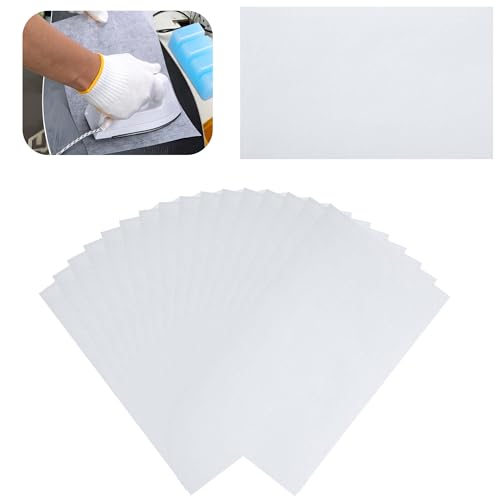
- Fabric ironing parchment paper for wax stain removal
- Heat gun wax removal fabric tool


Before You Start
Begin by assessing the fabric type. Delicate fabrics such as silk or wool may require professional cleaning. Work in a well-ventilated area and protect surfaces with a disposable cloth or old sheet. Time estimates vary: plan for 20–60 minutes depending on stain size and fabric resilience. Avoid high heat on delicate fabrics to prevent scorching. If the wax has penetrated deep fibers or a large area, consider seeking professional help sooner rather than later.
Step-By-Step: How To Clean Wax Off Fabric
- Let the wax cool and harden so it becomes easier to remove. Do not rub while warm, as heat can push the wax deeper.
- Gently lift solid wax using a dull edge or spoon, working from the outside edges toward the center to avoid spreading.
- Place parchment paper or a clean cloth over the wax stain. The goal is to absorb as much wax as possible without rubbing it into the fabric.
- Apply heat carefully with the fabric ironing parchment paper or a heat gun set to a low, controlled temperature. Press lightly and replace the parchment as it soaks up wax. Do not overheat.
- Repeat heat and blot steps until no more wax transfers to the paper or cloth.
- Apply a wax stain remover kit for clothing fabric following the product’s instructions for the affected area. This helps lift any residual color or oily residue.
- Rinse and launder the item as directed on the care label. Use the warmest water safe for the fabric and a standard detergent.
- Air dry and inspect the area. If any wax remains, repeat the treatment or consider a repeat wash cycle before drying again.
Troubleshooting
| Symptom | Likely Cause | Fix | Prevention |
|---|---|---|---|
| Wax residue after washing | Excess pigment or oil bound in fibers | Repeat stain remover treatment and wash again | Treat promptly; avoid drying until the stain is removed |
| Fabric color fading or discoloration | Overheating during heat application | Use lowest effective heat and test on a hidden area | Test heat on a seam or inner hem first |
| Streaks across fabric | Uneven wax removal | Reapply parchment paper and gentle heat, blotting evenly | Work in small sections |
| Delicate fabric shrinks or warps | Excess heat or aggressive rubbing | Cease heating and seek professional cleaning | Avoid high heat on silk, satin, or wool |
Common Mistakes
- Trying to wipe wax immediately while hot
- Rubbing the stain with a towel or fabric sponge
- Using high heat on delicate fabrics
- Skipping a test patch on an inconspicuous area
Being methodical and patient reduces the risk of permanent damage and improves stain removal success.
Tips For Best Results
- Always start with the cold or room-temperature approach; heat can push wax deeper into fibers.
- Use parchment paper or a clean cloth as the absorbent layer when applying heat to avoid staining other areas.
- For large or stubborn wax stains, consider using a dedicated wax stain remover kit for clothing fabric as a next step after initial heating and blotting.
- Never place a wax-stained item directly in the dryer; heat can set the stain permanently.
Call A Professional
Contact a professional cleaner if the fabric is valuable, labeled dry-clean only, or shows persistent staining after multiple attempts. Stop attempts if the fabric shows bleeding color, edge fraying, or distortion, as aggressive treatment may cause further damage.
FAQ
Can I use a hair dryer to remove wax?
Low, careful heat can work, but avoid overheating and always test on a hidden area first.
Will wax stain remover kits damage fabrics?
Follow the product directions precisely; most are designed for fabrics but test first on a small area.
What if the wax is colored?
Colored wax can leave a stain; use stain remover kits and repeat washing as needed.
Is dry cleaning necessary for velvet or suede?
Velvet and suede require professional cleaning due to delicate textures and dye stability.
Buying Guide
Choosing the right tools for wax removal depends on fabric type, stain severity, and user comfort with heat. Consider these buying factors to pick effective products and minimize risk:
- <bSize and scope: For small, routine wax spots, a basic kit may suffice; larger spills may require multiple steps or professional help.
- <bNoise level and practicality: Some heat tools produce noticeable sound; choose options that fit your workspace and living situation.
- <bEnergy efficiency: LED indicators or energy-saving heat settings help manage power use during repeated treatments.
- <bControls: Simple temperature or heat settings reduce the chance of fabric damage on delicate materials.
- <bPlacement: Consider whether you’ll perform treatments on a workbench, kitchen table, or laundry area to minimize mess and ensure ventilation.
In practice, start with non-invasive techniques, then escalate with dedicated wax stain remover kits for clothing fabric if needed. By matching tools to fabric type and spill size, most wax stains can be lifted without compromising garment integrity.
Leave a Reply