How to Clean a Water Table
Water tables provide interactive play that many kids love, but keeping them clean requires a simple, effective routine. This guide outlines practical steps to sanitize and refresh your water table, using commonly available tools and safe cleaners. Following a regular cleaning schedule helps prevent mold, mildew, and residue buildup while preserving the toy’s lifespan.
Quick Answer
To quickly refresh a water table, rinse with warm water, scrub with a water table cleaning brush set or a long-handled toy scrub brush for plastic play tables, apply a mild soap solution or toy cleaning spray bottle for disinfecting water tables, then rinse and air-dry. Sanitize weekly for play surfaces and after spills or illness in the household.
What You’ll Need
- Water table cleaning brush set
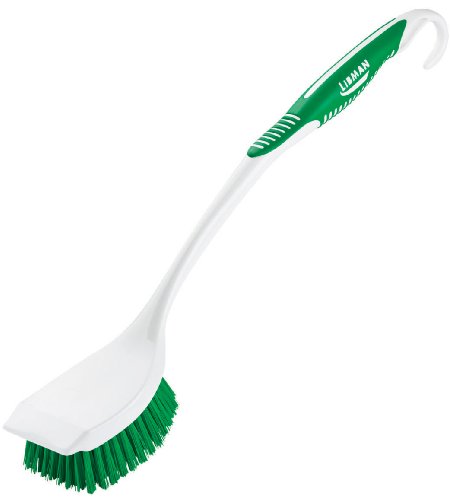
- Long-handled toy scrub brush for plastic play tables
- Toy cleaning spray bottle for disinfecting water tables
- Mild dish soap or child-safe cleaner
- Warm water
- Soft cloth or sponge
- Old towels or a absorbent mat for drying
- Optional: vinegar or baking soda for tougher stains


Before You Start
Before cleaning, remove all toys and accessories from the water table. Empty the basin and rinse off loose debris. Protect the surrounding area with towels, especially if you are cleaning indoors. Avoid harsh abrasives or ammonia-based cleaners, which can damage plastic surfaces. Use gloves if you have sensitive skin, and work in a well-ventilated area when using disinfecting sprays. Time estimate: 15–25 minutes for a standard table.
Step-By-Step: How To Clean A Water Table
- Disassemble any removable components and empty the reservoir.
- Rinse the basin with warm water to remove loose particles.
- Prepare a cleaning solution with mild soap and warm water, or spray a toy cleaning spray bottle for disinfecting water tables according to label directions.
- Use the water table cleaning brush set or the long-handled toy scrub brush for plastic play tables to scrub all surfaces, paying attention to corners and seams where grime accumulates.
- For stubborn stains, create a paste with baking soda and water, apply to the stain, and scrub gently.
- Rinse thoroughly with clean water to remove all soap residue, ensuring no slippery film remains.
- Wipe surfaces with a soft cloth, then allow components to air-dry completely before reassembling.
- Reassemble, fill with fresh water, and optionally add a small amount of child-safe sanitizer if recommended by the cleaner’s instructions.
- Store the brushes and spray bottle in a dry location to prevent mold growth on tools.
- Schedule routine cleanings after play sessions, especially after illness in the household or if the water table is used by multiple children.
Troubleshooting
| Symptom | Likely Cause | Fix | Prevention |
|---|---|---|---|
| Foul odor remains after cleaning | Residue trapped in seams | Re-clean with a mild cleaner and rinse thoroughly; consider a vinegar rinse (1:1 with water) for odor | Rinse surfaces immediately after use; dry thoroughly |
| Streaks or film on plastic surfaces | Soap residue | Rinse with clean water and wipe dry; use a microfiber cloth | Use minimal soap and thorough rinsing |
| Discoloration or hard water marks | Mineral deposits | Apply a paste of baking soda and water; scrub and rinse | Regular cleaning to prevent buildup |
| Mold growth in seams | Moisture trapped long-term | Thorough drying; use a mild disinfectant spray | Dry after each use; store where air can circulate |
Common Mistakes
- Using abrasive scrub pads on plastic surfaces, which can scratch and harbor grime.
- Rushing the rinse step, leaving soap residue behind.
- Ignoring cracks and seams where mold can develop.
- Cleaning with a strong chemical cleaner not labeled for toys or plastics.
Tip: Regular, light cleanings are more effective than infrequent deep cleans, and they reduce the need for harsh scrubbing later.
Tips For Best Results
- Establish a routine cleaning schedule—weekly for frequent use, or after heavy play sessions.
- Always dry the water table completely before reassembling to prevent mold growth.
- Label and store cleaning tools together to encourage consistent maintenance.
- Test any cleaner on a small, inconspicuous area first to ensure it does not discolor the plastic.
- If the table is used by multiple children, sanitize between users using a toy cleaning spray bottle for disinfecting water tables and let it air-dry.
Call A Professional
Consider contacting a professional if the water table has persistent mold colonies that reappear despite cleaning, or if there is visible structural damage such as cracks that could harbor bacteria. Stop using the table if you notice a strong, lingering odor, unusual discoloration, or if the plastic begins to warp. For safety, do not attempt extensive repairs yourself if the table components are compromised.
FAQ
Is it safe to use regular dish soap on a water table?
Yes, a mild dish soap diluted in warm water is generally safe for plastic water tables, provided you rinse thoroughly.
How often should I sanitize a water table?
Sanitizing once a week is a good baseline for frequent use; sanitize more often if there are illness concerns or shared use.
Can I use vinegar to disinfect?
Yes, a diluted vinegar solution can help with odor and mineral buildup, but rinse well afterward and avoid contact with any surfaces not intended for cleaning.
What should I do if the water table plastic is scratched?
Light scratches can be cleaned normally; avoid harsh scrubbing and consider using a plastic-safe polish if recommended by the manufacturer.
Buying Guide
When choosing a water table cleaning setup or accessories, consider several factors to ensure effectiveness and long-term value:
- Size and material: Plastic play tables come in various sizes; ensure brushes are sized to reach corners and seams without scratching.
- Noise level: Cleaning tools should be comfortable to use without excessive squeaking or drag on smooth surfaces.
- Energy efficiency: Not a major factor for manual cleaning, but consider battery-powered spray bottles or battery-free options that reduce waste.
- Controls and ergonomics: Long-handled brushes reduce bending; choose handles that feel comfortable and durable.
- Disinfectant compatibility: Use sprays labeled as child-safe and appropriate for plastics; check dilution rates and contact times.
- Placement: Clean surfaces in a stable area with good ventilation; a drying rack or towel-lined surface helps speed up drying.
- Maintenance: Look for sets designed for frequent cleaning with replaceable heads and easy-to-clean materials.
With the right tools and a simple routine, maintaining a clean water table is quick and straightforward, keeping playtime safe and enjoyable for children.
Leave a Reply